
Category: Uncategorized
Fishers of Men: The Feast of St Andrew, Apostle ~ The Very Rev. Lady Sherwood, OPI
Today’s Holy Gospel Reading tells us this:
As Jesus was walking by the Sea of Galilee, he saw two brothers,
Simon who is called Peter, and his brother Andrew,
casting a net into the sea; they were fishermen.
He said to them,
“Come after me, and I will make you fishers of men.”
At once they left their nets and followed him.
He walked along from there and saw two other brothers,
James, the son of Zebedee, and his brother John.
They were in a boat, with their father Zebedee, mending their nets.
He called them, and immediately they left their boat and their father
and followed him.
If you have ever been fishing, you will know how important it is to know the type of fish you are looking to catch, and how to attract it so that you can land it successfully. Before anyone goes fishing, it is a must to know which equipment to use, to have the knowledge of the surrounding habitat and the depth of the water of where you are intending to fish, It is also important to ensure you have the correct bait for the fish you are intending to catch, so that the fish will be interested in going after it. That is what is required if we go fishing in the usual sense of the word, but how do we relate this knowledge of going fishing, to us as Christian children of God being fishers of men?
God asks us to make disciples of all nations of the world (Matthew 28:18–20). Just as in preparation to go for an afternoon of fishing, we also need equipment to go fishing, we need the important equipment to be fishers of mankind. Putting on the armour of God is one way to be ready at all times with everything we need (Ephesians 6:10–18). Especially important are the shield of faith with which we ward off the opposition from the evil forces who don’t want to see mankind saved by the gospel of Christ (v. 16) and the sword of the Spirit, which of course, is the Word of God (v. 17). Without these two vital pieces of spiritual equipment, we will find fishing for the souls of mankind to be impossible.
Ok, so now we have the equipment, but just like in actual fishing, we must also know the fish we are trying to catch. Knowing the lost and needy condition of the people around us will help us to understand that, no matter how good we are at fishing, we will never “catch” the fish by ourselves. No reasoned argument will convert the soul of a darkened mind, because “the god of this age has blinded the minds of unbelievers, so that they cannot see the light of the gospel of the glory of Christ, who is the image of God” (2 Corinthians 4:4). But God can and frequently does penetrate the darkness with the glorious gospel, and He uses us to do it. He knows which “fish” are His; therefore, we are to seek out His wisdom and His guidance on all our fishing expeditions. Prayer is a must!!
Lastly we must offer the only effective net—the gospel of Jesus Christ. To us, it is the power of God (1 Corinthians 1:18). The gospel message has the power to change people’s lives, to shine a light into the darkness, and deliver mankind from sin to eternal salvation. There is power in no other message than the Holy word of Our Lord Jesus Christ, and no other “net” which is able to catch the fish of God. “I am not ashamed of the gospel, because it is the power of God for the salvation of everyone who believes: first for the Jew, then for the Gentile” (Romans 1:16). This was Jesus’ message to Peter and Andrew—follow Me, learn of Me, know and understand My mission and My message. Only then will you be able to be fishers of men.
Let us pray:
Father, it is during times of discouragement, bewilderment, or delay that we find ourselves more attentive to godly instruction. It seems our hearts are more yielded and our minds more absorbing of the truths You want to convey when we’re no longer trying to take charge. Like the disciples who were fishing in the usual way expecting the usual results we also relate to such efforts. But You are extraordinary and You do extraordinary work in our lives as we yield our will to Yours and heed Your instruction. Shape us into the most useful and enduring vessel that brings glory to You while we cast our nets for the great catch of men and women, boys and girls for the kingdom. In Jesus’ name we pray. Amen.
The Great Commandment- Loving God and our Neighbour~The Very Rev Lady Sherwood, OPI
My dearest brothers and sisters in Christ,
The Jews had been out to trap Jesus. First, the Pharisees and the Herodians had a go with a question whether taxes should be paid to the Emperor or not. A question to get Jesus to condemn himself with his own answer.
Then the Sadducees try out a tricky question on Jesus about a woman who marries seven times. Which husband will she have when the dead will be raised to life? Again a question to trick Jesus because the Sadducees didn’t believe in the resurrection.
And now the Pharisees test Jesus again to try and find out where he stands in regard to the traditional faith, the faith of the fathers. And in his reply, we find that Jesus had a great respect for tradition. He goes to the very heart of the Jewish faith and quotes passages of the Old Testament. Earlier in Matthew’s Gospel we hear that Jesus hasn’t come to do away with Israel’s faith. We hear him say, “Don’t think that I came to destroy the law or the prophets. I didn’t come to destroy, but to fulfill. For most certainly, I tell you, until heaven and earth pass away, not even one smallest letter or one tiny pen stroke shall in any way pass away from the law, until all things are accomplished” (Matthew 5:17-18). Jesus has great respect for the traditional faith, but not necessarily the traditional interpretation of the Pharisees.
The Jewish idea of responsibility when it comes to who is to be loved goes like this. Everyone was to love God, that was compulsory. But everyone else was graded as to how much love they were to be given. There were those people to whom it was a responsibility to show love. Those on the outer circles of the community, like outcasts, sinners, tax collectors, Gentiles, Samaritans etc, some were to be loved less, or others were owed no love whatsoever. The Pharisees had established many laws to help people in their observance of this command. These laws told people whom they were to love, and whom they could ignore.
By saying that the greatest commandment is to love God and to love your neighbour, this gives a new slant to the traditional interpretation. To love God that was clear enough but to also say to love one another in the same breath puts both of these commands on an equal footing. One is not more important than the other. To love God is to love my neighbour and to truly love my neighbour is to love God. In fact, we can’t make any sense out of Jesus’ radical command to love our enemies unless we first recognise the love that God has for us and loves us in such a radical way even though we are his enemies because of sin.
The love of God and the love of our neighbour are inseparable. You cannot claim to love God if you don’t love your neighbour. Essentially the entire law of God can be boiled down to two simple commandments: Love God with your whole being; and love whomever God puts next to you as you love yourself.
The late Henry Hamann said in his book on Matthew’s Gospel: “Jesus does not separate love for God from love for man, since the latter flows from the former, and since without the latter the former is impossible”.*
Before we go any further we need to understand what Jesus means here when he uses the word love. That little four letter word “love” is used in many contexts. We talk about loving our dog, loving strawberries and ice-cream, or loving a member of the opposite gender. When we use the word love like that we are expressing our affection and have warm feelings for whatever it is that we are loving. Because we associate the word “love” with affection it’s no wonder that we have difficulty loving those people who annoy us, those who have hurt us, and those who don’t deserve to be loved.
When the Bible talks about love it primarily means a love that keeps on loving, it means commitment. We may have warm feelings of gratitude to God when we consider all that he has done for us, but it is not warm feelings that Jesus is demanding of us. It is stubborn, unwavering commitment. It follows then that to love one another, including our enemies, doesn’t mean we must feel affection for them, rather it means a commitment on our part to take their needs seriously, just as God committed himself to taking our needs seriously by sending his Son into this world. You see this in marriages where because of the aging process one partner has become physically incapacitated, difficult to live with, very demanding, and yet the other partner keeps on caring and putting up with it all. That’s coming close to the biblical idea of love. It’s that commitment even though it isn’t deserved. It’s that stubborn, unwavering commitment to the other person’s needs often at a great sacrifice to him/herself. That’s where many marriages go wrong. The couple say they are in love – they have warm feelings for each but not the commitment. When the warm feelings fade so does their marriage.
This kind of love doesn’t come naturally. It is true that this kind of love comes from God, but putting it into practice is something we have to work on. Love – commitment – is a deliberate action of the will. To love means deliberately to turn toward another person and their needs, to give away something of ourselves to someone else without thinking of what we will get in return. In Luke’s Gospel Jesus tells the parable of the Good Samaritan (Luke 15:25-37) we see an example of a man loving his enemy, committing his money, time and energy to seeing to the needs of the man lying in the gutter. He stopped to help and to hang with the consequences. All he could see was someone in need. This kind of love/commitment is self-sacrificing. It is putting the other person first, whether it is God or our neighbour.
In all honesty, it doesn’t take much imagination to realise that this kind of love has been in short supply in our lives. In fact, if we could love perfectly then there would be no more sin in our world. If we loved perfectly, if we were able to be truly committed to other people, then there would be no more violence, or war, what we say and do would only be gentle, kind and caring.
Because this is not the case Jesus came to pay for our lovelessness. He showed us what true love is. His love touched the dumb, the deaf, the diseased, the disabled. His love warned, wept and washed dirty feet. His love told of a shepherd searching for lost sheep, a Father rushing out to embrace and kiss his lost son as he welcomed him home. His love turned the other cheek, and willingly walked that extra mile. His love carried a cross — and died upon it! His love welcomed each of us into God’s family, forgiving our sin in the water of our Baptism. Because of Jesus you are perfect saints in the eyes of God. Eternal life is yours in Christ. Forgiveness of sins is yours. The perfect love of God is yours.
We no longer have to love; we get to love.
We don’t love in order to get to heaven; we love because heaven is already ours in Christ.
We don’t love in order to win God’s favour; we love because we already have God’s favour in Christ.
We don’t love so that God will love us; we love because God has loved us in Christ with the greatest love we will ever know, the crucified love of Jesus.
Jesus came to make us more loving. What form this loving takes is not important, but what is important is that it does take place. When you fail, remember Jesus loves you, and let his love shine through you into the lives of the people around you.
Let me finish with a poem written by Patterson-Mooney:
Loving God and Neighbour
Loving God above all else
with heart, soul and mind
places focus where it should be
for there are no other gods before Him.
He thought about us before time, as we
know it, began. Bowing in humble
submission, we embrace His commands.
Not counting the cost
unabashedly loving our neighbour
we imitate the great love of God
as He wants us to do if we believe
in Faith what has been handed down
through the ages by sages.
May we always throw ourselves
wholeheartedly into all that is
good, right and holy.
Guide me along the straight and narrow path.
Keep me strong and single minded.
Permit me to show You through me.
In humble submission,
I shall serve You, O Lord, my God.
The Fease of St. Francis~The Rt Rev Michael Beckett, OPI

Today is the Feast Day of our blessed father, St. Francis of Assisi.
“Francis is the easiest saint to understand and love, while Dominic is the most difficult,” thus saith Chesterton.
This is sadly true for many Catholics and non-Catholics alike. When we think of St. Francis of Assisi: a joyful ever-smiling beggar standing in a lush garden, surrounded by birds, rabbits, and a tame wolf. Everything about Francis has been positive: his preaching to the birds, Canticles of the Sun, and even the newfound love for Pope Francis has propagated this pleasant image of the humble saint.
But then, there is St. Dominic. Who is he? Many, many people have no idea. Isn’t he that stern-faced preacher wearing a regal black-and-white robe who always carries a book? Didn’t the start the Inquisition? He must have been a real piece of work. Maybe he was pretty smart and all, but he doesn’t sound like a real great guy. Was he?
Unknown to many, St. Francis and St. Dominic were, in reality, contemporaries and friends. Surprise!!!! We read the following story:
One summer night in 1215, during his stay in Rome, Francis had a vision: he saw Our Lord prepared to unleash the most terrible chastisements upon the world. His Most Holy Mother was making an effort to placate Him, asking His mercy and forgiveness. For this purpose, she presented two men who would labour for the conversion of the world and return a countless number of lost sheep to the fold. Francis recognised himself as one of these apostles. He did not recognise the other one, however.
The following day, he was in one of the churches of Rome when suddenly an unknown person came up to him, embraced him, and said: “You are my companion, we will work together, supporting one another toward the same end, and no one will prevail against us.” Francis recognised him as the other man in the vision. It was St. Dominic, who had also received a similar vision before the meeting. When he saw Francis in that church, he immediately went to greet him, inspired by the Holy Spirit.
While in reality Dominic loved peace and the poor as much as Francis did (Dominic sold his expensive and rare theology books to feed the victims of famine!), and both had a profound Marian devotion, Francis and Dominic were indeed two very different personalities, and consequently they infused these different characters into their respective orders. The Franciscan Order is known for their simplicity in approach to life and faith. The great conversions of the Franciscans came about through the consideration of the Wounds of Our Lord, His Passion, His poverty and spirit of sacrifice. They preach with zest directly from their fiery souls, for they aim to move the will through the heart.
Meanwhile, the Order of Preachers, the Dominican Order, is the “scholarly order”; to his friars Dominic always emphasised study, because he believed that solid evangelisation wouldn’t be possible if they hadn’t studied first. The Dominican mission is an intellectual work, that is, the study and teaching of philosophy, theology, and apologetics. St. Dominic was known to spend sleepless vigils poring over his books, and later in life these study sessions transformed into nights of thorough preaching and conversions. Indeed, the Dominicans move the will by appealing to the mind.
A great similarity leads to friendship, but so also does a great dissimilarity when it is not the dissimilarity of opposition, but rather one that is complementary. One had something that the other was lacking. Together they constituted a harmonic ensemble. For this reason, they admired one another. These two holy men embraced each other and were enthusiastic for each other’s mission, because although they had different approaches, their end was essentially the same: the conversion of souls and the building of the Kingdom.
To this day, the two orders enjoy a unique and special relationship. The Franciscans celebrate St. Dominic with a Feast, and likewise the Dominicans honour St. Francis of Assisi in their calendar of saints. A Dominican event can be led by a Franciscan friar, and likewise a Franciscan ceremony may be led by a Dominican. Even in the Litany of the Saints: the names of St. Francis and St. Dominic are mentioned together!
Today, we as a Dominican Order not only celebrate our father, St. Francis, we also celebrate our centuries old friendship with the Franciscan Order. We wish you all a very blessed Feast Day!
The Feast of the Archangels~The Very Rev Lady Sherwood, OPI
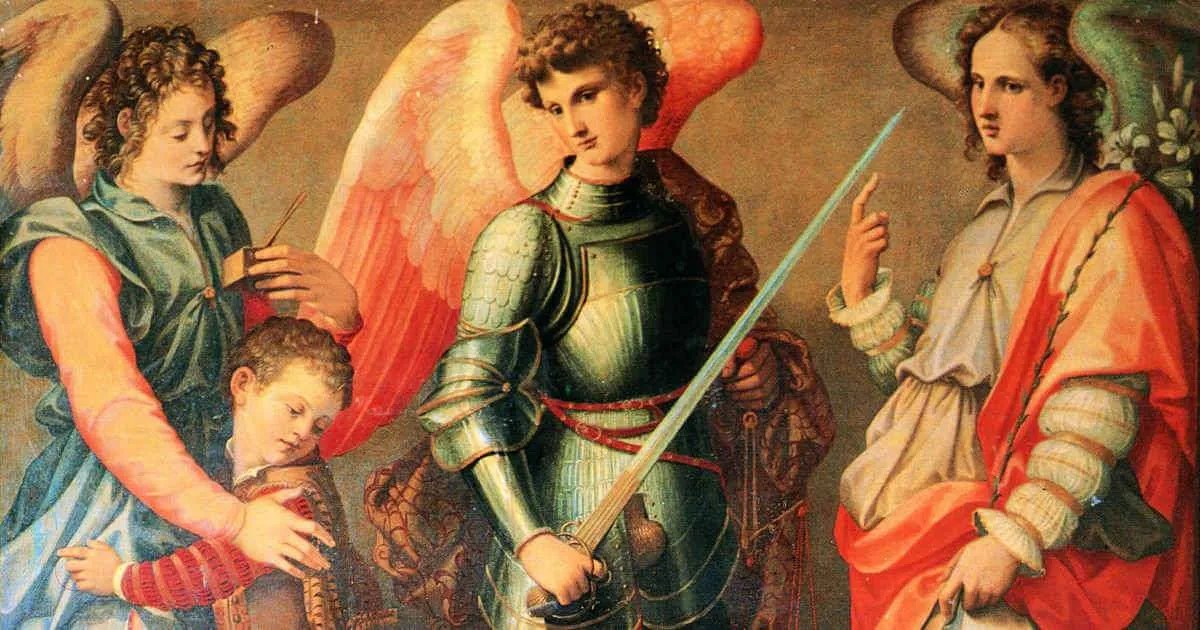
Feast of Sts Michael, Gabriel, and Raphael, Archangels.
Today we gather together as the church to honour and to commemorate the Feast of the Archangels, Michael, Gabriel and Raphael, these Archangels of God’s Heavenly Hosts. We only know the names of these three, even though there are believed to be seven Archangels if not more in total. Let us take a look at what we do know from the Holy Scriptures about these three Archangels of God. As St. Michael is the Prince of the heavenly hosts, let us begin with information about him.
St Michael:
His name means “Who is like God”. (This is a rhetorical question, as obviously means nobody is like God as God is the highest there ever was or ever can be).
St. Michael is mentioned by his name in three books of Holy Scripture:
In Daniel, he is described as “one of the chief princes” in the heavenly hierarchy (Dan. 10:13). He is also described to Daniel as “your prince” (Dan. 10:12). The meaning of this phrase is later clarified, and Michael is described as “the great prince who has charge of your people” (Dan. 12:1). He is thus depicted as the guardian angel of Israel. These same passages also refer to Michael doing battle against the spiritual forces at work against Israel.
In Jude 9, Michael is said to have contended with the devil over the body of Moses. On this occasion, we are told, “he did not presume to pronounce a reviling judgment upon him, but said, ‘The Lord rebuke you.’”
In Revelation, Michael and his angels are depicted fighting the devil and casting them out of heaven (Rev. 12:7-8). He is also commonly identified as the angel who binds the devil and seals him in the bottomless pit for a thousand years (Rev. 20:1-3), though the name “Michael” is not given on this occasion.
St. Gabriel:
His name means “God is my warrior” (meaning, essentially, “God is my defender”).
St. Gabriel is mentioned in two books of Holy Scripture:
In Daniel, he is assigned to help Daniel understand the meaning of a vision he has seen (Dan. 8:16). Later, while Daniel is in a prolonged period of prayer, Gabriel comes to him (Dan. 9:21) and gives him the prophecy of “seventy weeks of years” concerning Israel’s future (Dan. 9:24-27).In Luke, he appears to Zechariah the priest and announces the conception and birth of John the Baptist (Luke 1:13-19). Later, he appears to the Virgin Mary and announces the conception and birth of Jesus Christ (Luke 1:26-33).
St. Raphael:
His name means “God heals.”
St. Raphael is mentioned in only book of Scripture: Tobit.
In Tobit, the blind Tobit and the maid Sarah, whose seven husbands have been killed by the demon Asmodeus, pray to God.
The prayer of both was heard in the presence of the glory of the great God. And Raphael was sent to heal the two of them: to scale away the white films of Tobit’s eyes; to give Sarah the daughter of Raguel in marriage to Tobias the son of Tobit, and to bind Asmodeus the evil demon, because Tobias was entitled to possess her (Tob. 3:16-17).
Raphael thus becomes a travelling companion of Tobias, posing as a relative named Azarias son of Ananias (Tob. 5:12). He eventually binds the demon, enabling Tobias to safely marry Sarah, and provides the means for Tobit to be healed of his blindness.
Afterward, he reveals his true identity, saying:
I am Raphael, one of the seven holy angels who present the prayers of the saints and enter into the presence of the glory of the Holy One (Tob. 12:15).
These Archangels serve the will of God by protecting , guarding and healing us at God’s request. God has ensured his children always have the full protection not only of God himself, but also from all the hosts of heaven. Our Father loves and protects his children, only ensuring all is best for them. Let us give our thanks and praise for the wonderful gift of His Archangels, and of all the hosts of heaven to our God and heavenly Father.
Let us end this homily with the prayer of St Michael:
St. Michael the Archangel, defend us in battle.
Be our defense against the wickedness and snares of the Devil.
May God rebuke him, we humbly pray,
and do thou, O Prince of the heavenly hosts,
by the power of God, thrust into hell Satan, and all the evil spirits,
who prowl about the world
seeking the ruin of souls. Amen.
The Sacred Heart~The Rt Rev Michael Beckett, OPI

I try really hard to put a note in Scott’s lunchbox every morning to remind him of how much I love him. (Yes, we are one of “those” couples who are all schmaltzy and lovey-dovey even after almost 18 years.) We remind each other constantly that we love each other, by doing, showing, and saying “I love you,” in about a million ways ever day. There is a lot of love in our house. He has my heart as I know I have his.
Today is a day that celebrates love. Not, however, the ‘hearts and flowers’ kind of love that Scott and I share, but the love that comes from the heart of Jesus.
All of you have seen one…..a picture or a statue of Jesus, heart exposed. All of you have heard the phrase: the sacred heart of Jesus. Today is the Solemnity of the Sacred Heart of Jesus. What is this all about? Why do we see pictures and statues of Our Lord with his internal organs exposed???
We, as Christians, continually talk about ‘the love of God,’ and that is specifically what this Feast Day is all about: The love of God. The fact that we are, all of us, held in the heart of Jesus, who loved us so much that he chose to become one of us to save us from sin, from death, and from ourselves.
According to Wikipedia, that bane of all researchers everywhere, devotion to the Sacred Heart of Jesus can be clearly traced back at least to the eleventh century. It marked the spirituality of Saint Bernard of Clairvaux in the twelfth century and of Saint Bonaventure and St. Gertrude the Great in the thirteenth. The beginnings of a devotion toward the love of God as symbolized by the heart of Jesus are found even in the fathers of the Church, including Origen, Saint Ambrose, Saint Jerome, Saint Augustine of Hippo, Saint Hippolytus of Rome, Saint Irenaeus, Saint Justin Martyr and Saint Cyprian, who used in this regard John 7:37-39 and John 19:33-37.
When you see a picture, or a statue of the Sacred Heart of Jesus, a picture or a statue of Our Lord, heart exposed, I want you to stop for just a second, and really look at it. Think about it. And look for yourself in that picture or statue. You are there. For you see, YOU are in the very heart of Jesus. YOU are the reason that he has exposed his heart; to give you a home, to give you a hope, to give you joy.
Jesus has given you his heart, his most precious and sacred heart……Won’t you give Him yours?
The Entrance of our LORD Jesus Christ in Jerusalem ~Palm Sunday~The RevDcn Igor Kalinski, OPI

Today we remind ourselves of the solemn entrance of Jesus Christ into Jerusalem as we read in Matthew 21:1-17; Mark 11:1-11; Luke 19:29-44 and John 12:12-19
Yeah, truly solemn entrance! Seated on a donkey like the ancient kings as we read in 1 Kings 1:38, to fulfill the prophecy of the prophet in Zacharias 9:9. Our Lord travels from Vitfagia through the Mount of Olives headed for Jerusalem, while the crowd of people with joy and excitement are welcoming our Lord shouting Hosanna to the son of David, Hosanna in the Highest.
But something happened that does not match with the magnificence of the entrance of our LORD, as Saint Luke the evangelist is saying that when he came close to the city, Jesus wept. (Luke 19:41)
Listen brethren, the LORD is weeping, our Lord Jesus has falling tears. Him who comforted so many crying souls, like the widow of Nain with her only son, Jesus is telling her, don’t cry Luke 7:13, and now himself weeping.
That view is so horrifying that I can’t describe it. Only the soul can somehow feel and sense what will survive Jesus can join to cry for him like a little child who cry for his mother, without understanding those mother’s tears that are falling.
The tears as saint Augustine says is the blood of the soul. They speak for enormous spiritual survival, there are tears also of sorrow, tears of joy, tears of repentance…
What kind of tears did Jesus have that he was so sorrowful for Jerusalem? Saint Luke evangelist is telling us in chapter 19:41-44.
It’s obvious that this kind of tears of our Lord Jesus are tears of deep sorrow for the unhappy destiny of the inhabitants of Jerusalem.
In front of God’s view who sees everything appeared those horrible days when the enemies will encircle the city, will destroy and kill their children and inhabitants, which been fulfilled in every detail as have been recorder from the historian of that age, the Jewish historian Joseph Flavian.
Our Lord wept not only for Jerusalem , but for all people throughout the history, he saw the failing of Adam, the killing of Abel, he saw the betrayal of Judas, he saw all the sins and failing of the humanity til the end of the times.
How could He not weep? He wept for us, for our sins and transgressions, for our bad and unchristian lifestyle.
The tears of our Lord Jesus Christ remind us and calls us to repentance and sanctification of the new life and new beginning, to come back to ourselves, to crucify our body with the fallen nature (Glatians5:24) to remove from us the old man and to renew and clothe with new human made according God with justice and sanctity of truthfulness (Ephesians 4:22-24)
Holy Mother the Church have prepared during the liturgical year , several weeks, the weeks of the great lent for meditation and preparation for spiritual uplifting and spiritual salvation.
We ourselves let weep for our sins, with repentant tears to wash the sinful dots and marks from our heart.
To those who weep for their own sins and who repent, the Saviour has promised them great comfort in Matthew 5:4
That comfort is truly sure, because it is the comfort of the Holy Ghost (Acts9:31) Amen
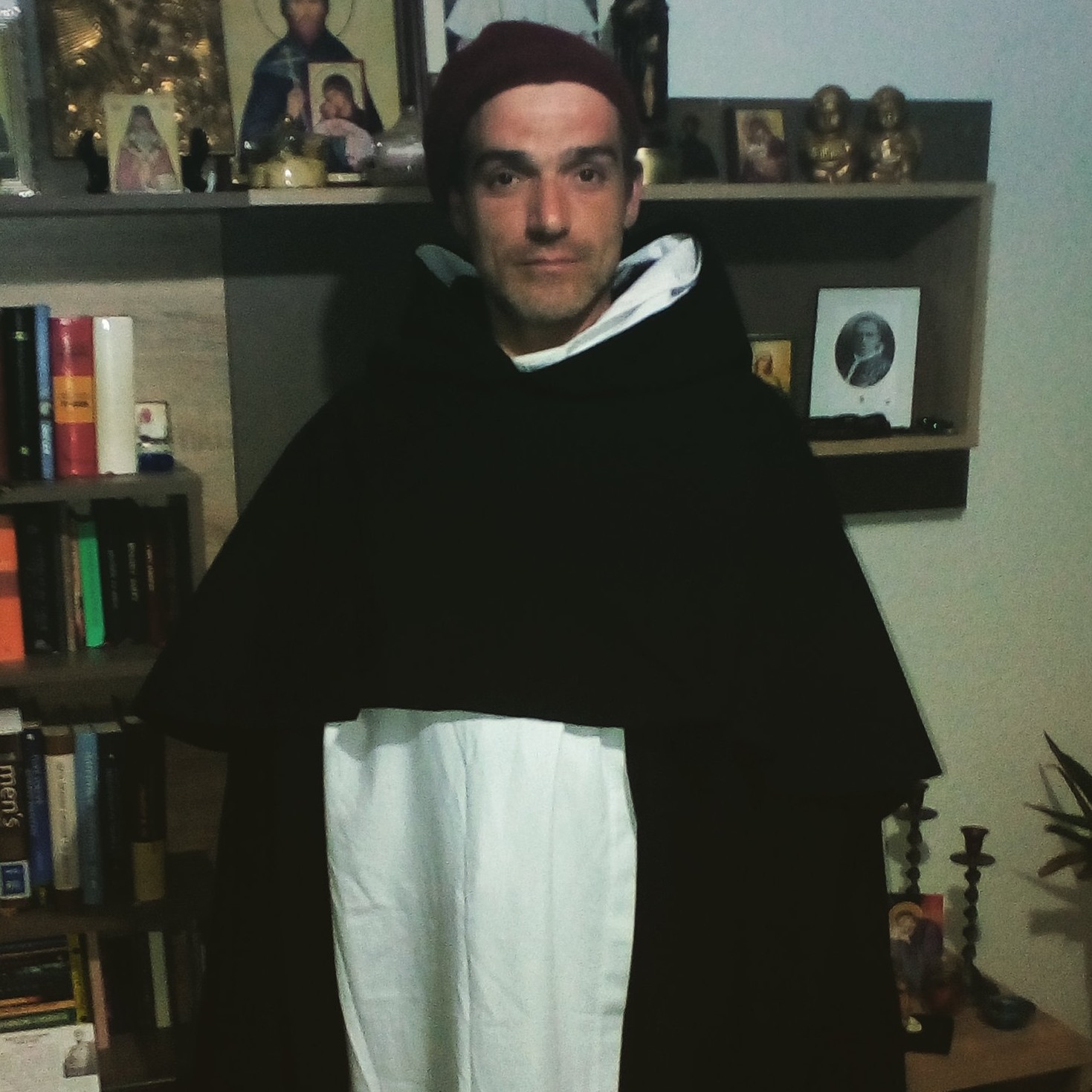
Rev. Deacon Igor Kalinski OPI

Do Flowers Sin?

Do Flowers Sin?
I grow a lot of flowers; I love the shapes, colors and all the critters they attract, especially the bees, butterflies and hummingbirds. One of my favorites to grow is Celosia, more commonly called Prince feather because of its colorful, feather-like plumage. Now the ones I grow are red to purple, produce a plethora of tiny seeds (about the size of this period “.”) and reseed themselves year after year. Yet unlike those varieties one might buy at the market, mine are deformed and produce blooms that range from the normal feather-like plums to large flat crests reminiscent of rooster’s comb (giving rise to another common name of Coxcomb flowers) or equally large dome-shaped clusters which look very much like some alien’s brain!
No matter the shape or color, I enjoy watching them grow and blossom through the summer and fall. I do, however, wonder what sin…
View original post 1,320 more words
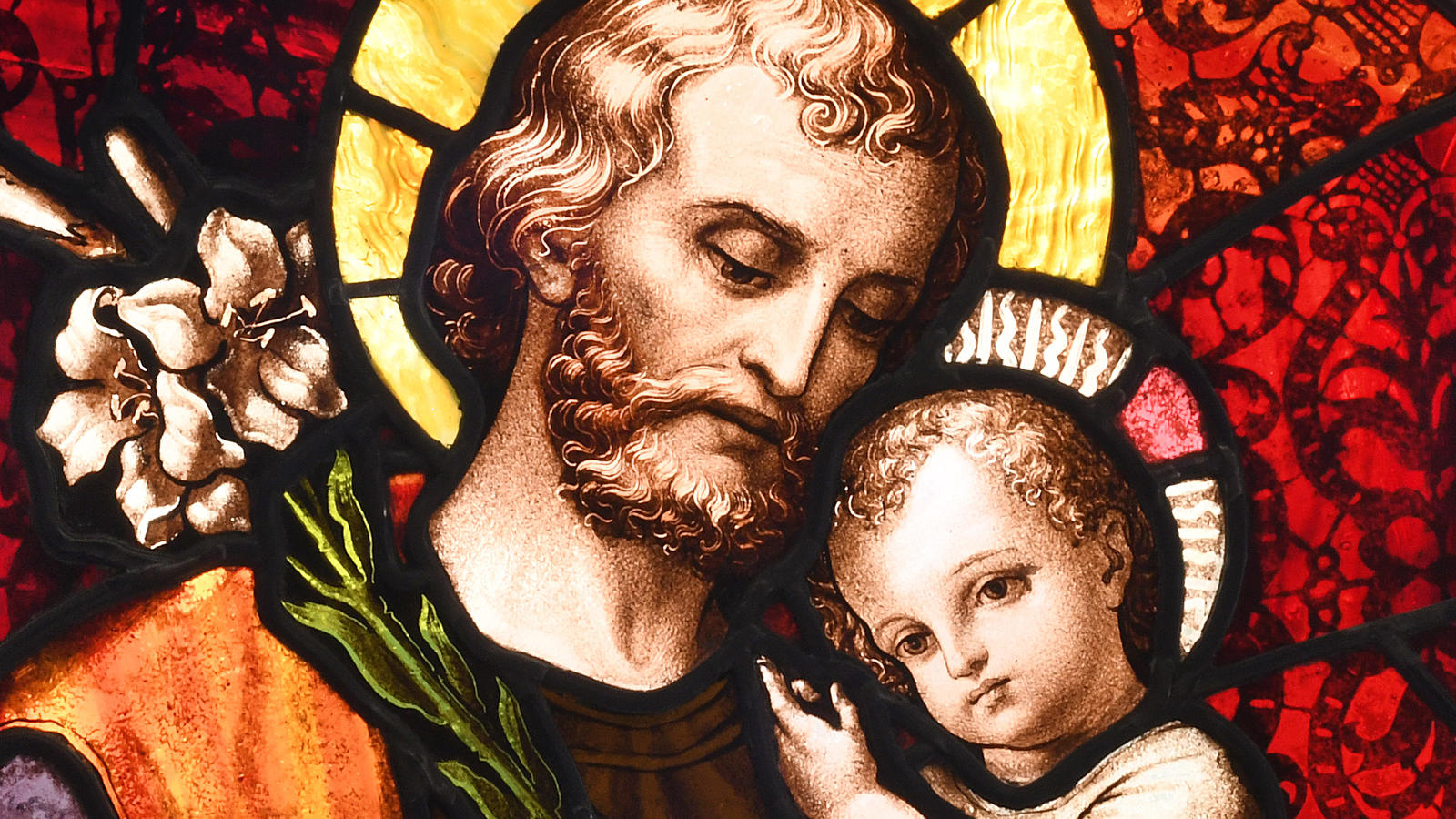
St Joseph, Spouse of the Blessed Virgin Mary~The Very Rev. Lady Sherwood, OPI
My dear brothers and sisters in Christ,

Today, we come together as the Church to commemorate St. Joseph, the Spouse of The Blessed Virgin Mary, and the foster Father of our Lord and Saviour,Jesus, when he became one of us here upon the Earth.
In the same way in which God, our Heavenly Father, who gives each of us as his children, unconditional love, care, stability and who sets us the standard with which we should strive to live our lives with his holy word in the scriptures, a true Father to each and every single one of us, who only ever wants the very best for all his children. St. Joseph follows our Father’s example, as both husband and foster father. He gives us examples which men should follow in their lives. Joseph cared for and provided for the Holy Household. There are many qualities that Joseph had which we could use to be the role model for Christian husbands and fathers. Joseph was a very compassionate man. We can see an example of this when he suspected his wife of infidelity; he planned to divorce her quietly rather than denounce her publicly and expose her to public shame and penalty.
Joseph was always obedient to God and did what he knew was God’s will without thought or hesitation. Examples of this are that he kept Mary as his wife; he protected and provided for his family when they had to flee to foreign lands to protect them from danger.
Joseph led a life of deep prayer and was in communion with God, and would always seek out that which was God’s will. God often told Joseph his will using dreams.
Joseph was a provider of care, When Jesus’s life was threatened, Joseph would take them out of danger. He took his family to Egypt and only returned when it was safe to do so, and when Jesus went missing at aged twelve, Joseph went searching for him because obviously, both parents were obviously extremely worried about Jesus’s safety.
Joseph also brought much more to Jesus’s life, he taught him his trade which Jesus worked in for about twenty years, he gave Jesus the love and stability he as any child needs, and was his earthly male role model, which was and still is vitally important for a good father to give any child.
He was a man with a firm faith in God coupled with a resilient personality, who did not complain and was not appalled nor distressed in the midst of trials and tribulations, St. Joseph knew how to face, carry and solve the burden of his vocation, of life’s difficulties and responsibilities with serenity, with complete faith and love, entrusting himself totally and unconditionally to God’s plans.
Sadly not all children are brought up in such a way today, but husbands and fathers truly should seek to follow this sincere man of God in the way they run their lives. Are you married? Do you give all the love, trust and respect to your spouse? Or with stresses and strains do you always argue or not truly make time for each other? If you have children, do you know where they are and if they are safe, or who they might be talking to online? Do you give emotional stability, patience and unconditional love? Do your children see you as the role model they need in a Father? We should always strive to be as our heavenly Father is to each of us, whether that be to our spouses, to our children, and in fact to all as our brothers and sisters.
While the Gospels do not shed much light on St. Joseph’s life, it is believed that he died before Jesus’ public ministry.
St. Joseph is the patron of fathers, spouses, priests and seminarians. But also, St. Joseph teaches us so much by his silent example of his life, and just how we should love God faithfully and obediently.
Let us pray:
Blessed St. Joseph, husband of Mary,
be with us this day.
You protected and cherished the Virgin;
loving the Child Jesus as your Son,
you rescued Him from the danger of death.
Defend the Church,
the household of God,
purchased by the Blood of Christ.
Guardian of the Holy Family,
be with us in our trials.
May your prayers obtain for us
the strength to flee from error
and wrestle with the powers of corruption
so that in life we may grow in holiness
and in death rejoice in the crown of victory.
Amen.

Growing Pains – Humanity’s Teens!
By our beloved Bishop Jay, OPI
1st Sunday in Lent: A 2023
Today’s Old Testament reading, the infamous fall of man, the beginning of sin, the old Eve ruined everything, scripture is one of my favorites and also one I detest the most. Why one I detest you ask: because it is so often misused by religion for purposes of fear mongering and control. On the other hand, it is a beautiful allegory on the difficulties of watching your children grow up, watching them make poor choices, knowing their innocence is slowly fading away. After all, the Creator gave humanity free will, the gift of choosing right from wrong, of choosing our own paths as individual, cognizant creatures and yet, like any loving parent, wanted to extend our life in Eden and spare our loss of rose tinted glasses, the loss of our childhood innocence.
View original post 1,224 more words
Justice and Love~ Br. Milan Komadina, Novice


Reading the Bible is very important for every one of us. It could give us strength, encouragement, love, hope, enlarge our faith and also is a way of communicating with God. Often, when we read the Bible we tend to read the New Testament. It seems that in the New Testament we could find more stories about love and forgiveness. This is why I believe more people rather read the New Testament. However, it is good to remember that the New Testament was written based on the Old Testament. And even though in the Old Testament one could read more about things that are related to rituals, knowing the Commandments of God, sacrificing and punishing for sins and it seems that The Old one is a bit harder to read, we could also find some interesting chapters talking about the importance of love and forgiveness. In today`s reading we read Leviticus 19:17/18:
”Do not hate a fellow Israelite in your heart. Rebuke your neighbor frankly so you will not share in their guilt. Do not seek revenge or bear a grudge against anyone among your people, but love your neighbor as yourself. I am the Lord.”
Love your neighbor as yourself. These are words from the Old Testament. It was not only mentioned to love our neighbor which would be also a strong Commandment. It was written to love our neighbor as our own selves. As we live in the time when modern psychology teaches us to be only self-oriented and maybe even a bit selfish, it may be hard for a modern human to love others the way they love their selves. But this is what Bible says. Bible is teaching us to love and forgive. And through love and forgiveness we might also experience peace. Sometimes we may feel that our neighbor is not doing fair enough to us. We may even have an evil neighbor who is envious, jealous or who even make some problems to us. Bible also teaches us to forgive. Here is another challenge for modern human. We usually tend to seek justice and when someone causes us pain or does something unjust we would like to revenge. But life could often teach us that God is the one who sees everything and God is just. In Matthew 5:38-48 it is written:
“You have heard that it was said, ‘Eye for eye, and tooth for tooth.’ But I tell you, do not resist an evil person. If anyone slaps you on the right cheek, turn to them the other cheek also. And if anyone wants to sue you and take your shirt, hand over your coat as well. If anyone forces you to go one mile, go with them two miles. Give to the one who asks you, and do not turn away from the one who wants to borrow from you. You have heard that it was said, ‘Love your neighborand hate your enemy.’ But I tell you, love your enemies and pray for those who persecute you,that you may be children of your Father in heaven. He causes his sun to rise on the evil and the good, and sends rain on the righteous and the unrighteous. If you love those who love you, what reward will you get? Are not even the tax collectors doing that? And if you greet only your own people, what are you doing more than others? Do not even pagans do that? Be perfect, therefore, as your heavenly Father is perfect.”
As we read the New Testament goes even one step further. It does not only teaches us to love our neighbors but it also teaches us to love our enemies. This is a really hard lesson but we have the greatest teacher, the Lord Himself, Jesus who showed us how that love could work. When he was on the cross, dying in pains he did not condemn his enemies, but he prayed for them. This is useful to remember every time when we feel depressed or when it seems that the life is unjust, painful or when we feel that we cannot deal with our daily hardships. We all have our crosses, but God will never give us the cross that we could not bear. Sometimes some hardships or unjust situations may be good lessons to make us better person. Or those could be only one step to some good things that God is preparing for us. We should trust God and rely on Him because everything that is happening to us is happening with a reason. God has a personalized approach to each one of us. Through the years I learnt one important lesson. God is always leading us and sometimes when we think that something is not good for us, God knows why it actually is good because he sees the future and he knows the outcome.
With my wish and prayer for you all to learn about God`s wisdom and grace, to let Him guide your life and being trustful and faithful may He bless you all in the name of the Father, the Son and the Holy Spirit. Amen.


You must be logged in to post a comment.