
Come to the Wedding! ~ The Rev. Frank Bellino, OPI
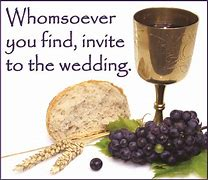
Today’s gospel passage seems straightforward enough to understand, if we compare the characters in the parable to key figures in the history of salvation.
We have the king and his son, who stand for God and Jesus. The wedding can be compared to God’s own invitation to us all to follow him and his way, entering into communion with him just as wedding guests participate in the festivities.
The messengers that were sent out to announce the wedding — they stand for the prophets. Similarly, to many of the prophets working for the Church, these messengers were also badly treated by the people to whom they were sent.
What of the people themselves, those who declined the wedding invitation? They stand for the people to whom the original invitation to follow God was given — and even more people in real life turned away from God for whatever reason so they did in the parable.
So, enter the other people, those who were found at the crossroads. Jesus is referring to any group of people who did not make up a polite society in those days, and letting his listeners know that the message of the Kingdom of God is now open to everyone. After all, we read that the servants went out to collect together ‘everyone they could find, bad and good alike’.
Although the ‘proper’ people had been invited at first, due to their refusal of sinners are now invited. This gives us hope — both for today, when we know ourselves to be at odds with the Gospel message (and therefore sinners) at times, and also in those times — for perhaps there were those hearing the invitation who took it to heart and acted appropriately.
Once we have accepted the call to follow God, we cannot stop there just resting on our laurels, saying, “I have been invited by God to the Kingdom of Heaven. And that’s it!” Once we are in a relationship with God, we are called to go deeper into a relationship with Him, and that implies that we do not and cannot sit still, doing nothing.
Is it fair enough — but what about the other part of the parable? If someone has been called and accepted by God, just as the guests eventually joined the wedding banquet and joined in all the feasting, wouldn’t that be the case? No, no, is the answer.
The key word here is “wedding-garment”. For in the days when this parable was first told, whatever state of life you found yourself to be in carried certain obligations – correct behavior or observance of wedding customs applying to all, no matter what.
This guest has no wedding attire. In other words, he is not bothering to do something fundamental to his state in life, not bothering to observe the customs he should, neither growing nor pursuing a closer relationship with God in his life.
So, it was with the king at the wedding feast. He had put himself out for the guests, but that meant that they should put themselves out for him. Not doing so, and not even addressing or apologizing shows a lack of concern or desire to follow what God has asked us to do.
Compare that with daily life, and you will see that God’s call is clear — it is not enough to be called and accept that call, but there is the obligation to follow it in whatever way we are called to do. We are recognizing what God has done for us, and we are doing whatever we are called to do in return.
In other words, not only have we been called, but also (as a result of our actions) we are being chosen by God to share in his eternal wedding feast in heaven.
 The Order of Preachers, Independent
You must be logged in to post a comment.