
The Cost of Truth: A Sermon on the Passion of Saint John the Baptist
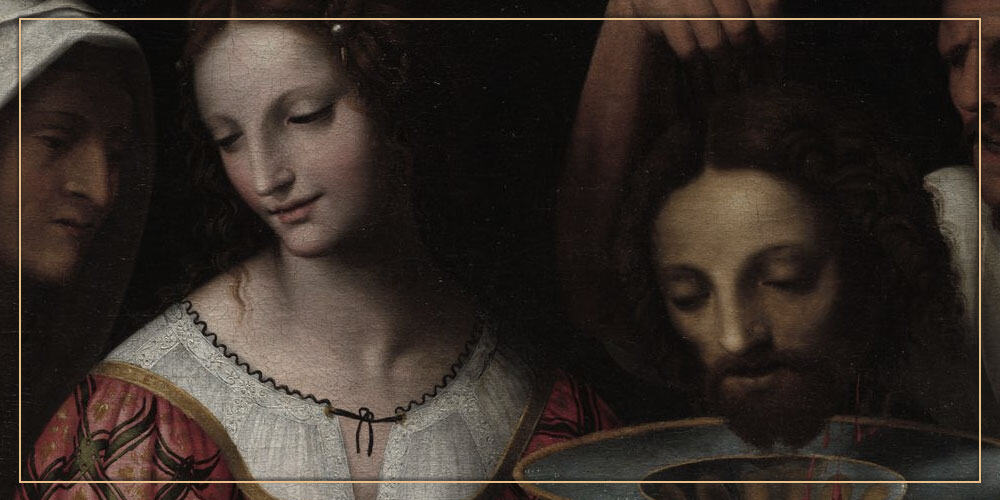
Saint John the Baptist was a martyr for truth and righteousness, showing us that faithful discipleship requires unwavering courage even in the face of earthly power.
Introduction: The Voice in the Wilderness:
Grace and peace to you in the name of our Lord. Today, we turn our hearts to one of the most tragic, yet profound, events recorded in the Gospels: the Passion of Saint John the Baptist.
John was a man who lived at the margins—clothed in camel’s hair, nourished by locusts and wild honey, preaching a baptism of repentance in the wilderness of Judea. He did not seek the favour of kings, nor did he crave the comfort of palaces. He had one singular mission: to clear the way for the Messiah, to decrease so that Christ might increase.
Yet, the ultimate test of John’s witness came not in the open desert, but within the dark, silent walls of Herod’s fortress at Machaerus.
Speaking Truth to Power:
John’s imprisonment was not the result of a political coup or a theft; it was the direct consequence of speaking God’s truth to a ruler who believed himself above God’s law.
King Herod Antipas had taken Herodias, his brother Philip’s wife, as his own. It was a breach of the divine law, a public scandal, and an abuse of power. While others turned a blind eye out of fear or self-preservation, John could not remain silent. He confronted Herod directly, declaring, “It is not lawful for you to have her.”
Key Reflection: John’s prophetic voice reminds us that God’s truth is not conditional. It does not bend to accommodate authority, status, or public sentiment. True holiness often demands that we speak against injustice and moral compromise, even when the personal cost is high.
The Banquet of Guilt and Fear:
The narrative of John’s execution unfolds during a grand birthday banquet hosted by Herod for his court, military commanders, and the leading men of Galilee. It was an atmosphere of luxury, indulgence, and worldly vanity—a stark contrast to the austerity of John’s wilderness.
When the daughter of Herodias danced before the guests, Herod, fueled by wine and pride, made a rash oath: to give her whatever she asked, up to half his kingdom. Prompted by her bitter mother, the girl asked for the head of John the Baptist on a platter.
Herod was deeply grieved, yet he succumbed to two fatal flaws:
The Fear of Man: He was terrified of losing face before his prestigious guests.
A Misguided Oath: He prioritized a foolish, sinful promise over the sanctity of a righteous man’s life.
In that moment, Herod chose worldly reputation over justice, sacrificing the prophet to preserve his own ego.
The Final Witness:
John was beheaded in the prison, quietly and without a trial. His death was not accompanied by dramatic signs in the heavens or an angelic rescue. To human eyes, it seemed like an ignominious end for the man Jesus called the greatest among those born of women.
However, in the economy of God, John’s death was a glorious crown. By giving his life for the moral truth of God’s law, John foreshadowed the Passion of the Saviour he announced. Just as John prepared the way for Christ’s ministry through baptism, he also prepared the way for Christ’s sacrifice through his own martyrdom.
John’s life teaches us that success in the kingdom of God is measured not by earthly longevity or comfort, but by fidelity to the call of God.
Let us pray:
Almighty God, who called Saint John the Baptist to go before your Son, Jesus Christ, both in his birth and in his death: Grant that we, who honour his memory, may follow his example by constantly speaking the truth, boldly rebuking vice, and patiently suffering for righteousness’ sake.
Deliver us from the fear of human judgement and the temptation to compromise your holy law for personal gain. Strengthen us by your Holy Spirit to stand firm in faith, that in all things we may point others to the Lamb of God, who takes away the sin of the world. Through Jesus Christ our Lord, who lives and reigns with you and the Holy Spirit, one God, now and forever.
Amen.


You must be logged in to post a comment.